
Islamabad: A remarkable photograph taken by a British doctor approaching Islamabad Airport prompted an internet search that uncovered reports of an
President Asif Zardari urged to protect minorities in Pakistan. Report by Khalid Shahzad
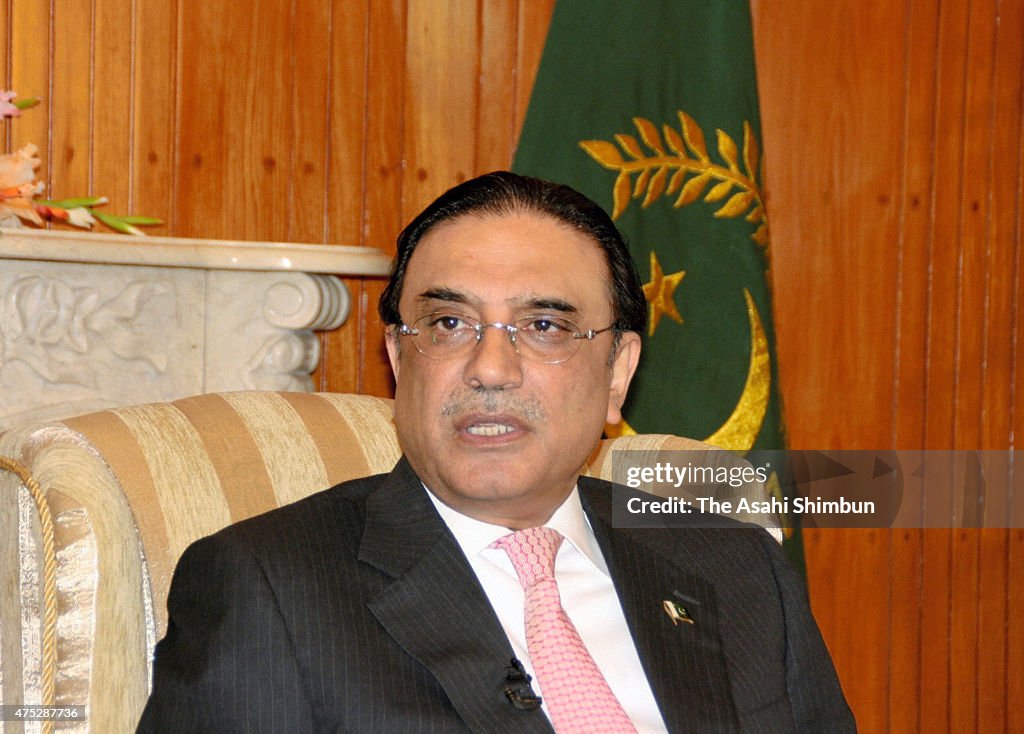
Islamabad: Asif Ali Zardari has traditionally greeted Sikh pilgrims, Hindus and other minorities on the occasion of Christmas, Holi and now Baisakhi (April 14, 2026). He praised the role of minorities, guaranteed the rights and religious freedom granted in the Constitution of Pakistan, and said that the government will ensure the facilities and security of the pilgrims. These messages are beautiful and welcome, but the situation on the ground is very different. Problems with minorities (Christians, Hindus, Sikhs, Ahmadis and others) in Pakistan have been going on for a long time, with blasphemy laws often misused for personal disputes, land disputes or blackmail. Mobs angry over alleged allegations attack, churches are burned, homes are looted. During 2023-2025, there were incidents in Jaranwala, Faisalabad and other places that severely affected the Christian community. Blasphemy allegations also increased in 2024-2025. Forced conversion: Incidents of abduction, forced conversion and marriage of Hindu girls are common, especially in Sindh (and Christian girls in Punjab). Thousands of such cases have been reported. Targeted killings and torture of Sikh shopkeepers, Sikh Christian workers, sanitation workers and Ahmadis are on the rise, and attacks on Ahmadi mosques, graves and mosques are also ongoing. Discrimination at the social and state levels: Discrimination in jobs, education and daily life. Desecration of religious sites and graves of minorities also continues.
Human rights organizations such as USCIRF, HRCP, Human Rights Watch and Open Doors repeatedly criticize Pakistan for violations of religious freedom. In 2025, cases of mob violence and forced conversions related to blasphemy continued. The abduction of minority girls for marriage and conversion in Sindh and Punjab point to the same bitter truth that the problem is not a few individual incidents but a broken system and the law of the jungle. Yes, it is a failure of the system — and not just one, but many dimensions. (Shamaila Chandio, Maria Shahbaz, Sawira Nankana, Pooja Hyderabad and Christian sisters of Sadiqabad), they are not separate but different manifestations of the same underlying problem: the supremacy of social norms, weak legal implementation, influence in the police and judiciary, and discrimination against minorities.
Fact of the events (as per latest information) Shamaila Chandio (Sindh, Hala): A 14-year-old girl was abducted from her home by her cousins (Wajid and Rashid Chandio) because she had rejected a marriage proposal. She was murdered. The police arrested two suspects and they confessed. This appears to be a case of “honor” or family feud, another example of honor killings in Sindh. Sindh saw more than 142 honor killings in 2025 alone (including 105 women), and protests are ongoing in 2026. 
Maria Shahbaz (Punjab): 13-year-old Christian girl kidnapped, allegedly forcibly converted to Islam and married. The parents presented official documents (NADRA B form), but in March 2026 the Federal Human rights organizations are criticizing it severely. Sawera (Nankana Sahib, Punjab): A Christian girl was allegedly raped by Muhammad Faizan, who left her seriously injured and the accused fled. Sawera has been admitted to a government hospital in Lahore by her parents for treatment. The police did not register an FIR for three days nor did they allow medico-legal — this is a clear example of police negligence or pressure.Two young Christian sisters from Sadiqabad were kidnapped and sold in Karachi and sexually assaulted, leading to the death of one of the sisters (Muqaddas). In such cases, the element of trafficking and crimes against minorities predominates.These incidents are playing the law of the jungle where jirga, wadera system, family “honor”, religious attachment and influence, and powerful people are playing with the law. What is the real problem? (Simple and bitter answer) The law exists (Honor killings) Act 2016 (Amendment of Qisas and Diyat Act)
Laws against underage marriage (Child Restraint Act). Constitutional guarantee of minority rights.
But implementation is almost zero. The reasons are deep-rooted in social traditions: “honor”, jirga, wadera/sardar system – especially in rural Sindh and Punjab. People accept tribal decisions instead of law. Society becomes a silent spectator or supports the accused. Failure to register FIR against the accused by the police or delay, weakens the case under pressure. Often the victims are poor or minorities, who do not have the resources. Problems in the judiciary Some decisions (like Maria Shahbaz) ignore the documents and accept the claim of “mature age” or “consent”. Delay and influence at the grassroots level are common. Political, religious and social apathy If powerful people (wadera, politicians) are involved, the case is suppressed. In cases of minorities (Christians, Hindus), the element of religious hatred and Sharia reward is also added, due to which thousands of girls fall victim to it every year.
Statistics: According to HRCP and Sindh Police, honor killings are increasing. Sindh recorded a 43% increase in 2025. Conviction rate is very low.
This is not just “individual crimes”, but the result of the structure of the system that gives precedence to traditions over law. The federal government, including the provincial governments, should seriously file FIR, medico-legal, and protection in every case within 24-48 hours. The complex and difficult system of special courts, including police reforms and training, accountability, and ending political interference, should bring about a trend of merit and equality, which will increase social change as well as the good name of the government. The need of the hour is to strictly outlaw jirga by launching a campaign against the wrong understanding of education, the role of religious leaders, and “honor”.
As long as the law remains only in books and traditions remain in the field, these incidents will not be “news” but will remain the bitter reality of everyday life. If justice is delayed, it is not justice, it becomes a joke.
You May Also Like
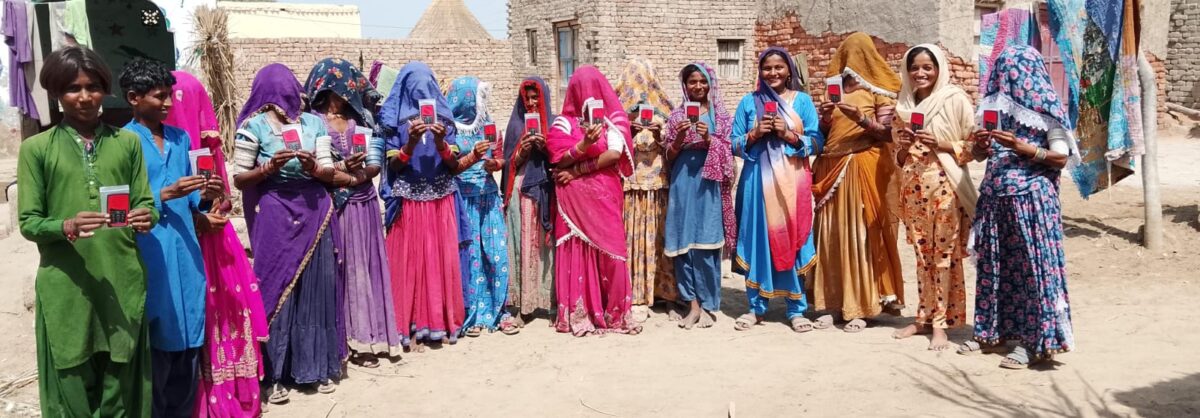
Sindh, Pakistan: BACA Compassionate Outreach: Audio Bibles Bring the Word of God to Christian Community in Berani, Sindh
BACA distributed
Punjab, Pakistan: A Christian doctor’s home and clinic were attacked and set on fire in Narang Mandi village, Gharial Kalan, following an all


PCP need your support that we may provide you better services: click on donate


"Trial of Pakistani Christian Nation" By Nazir S Bhatti
On demand of our readers, I have decided to release E-Book version of "Trial of Pakistani Christian Nation" on website of PCP which can also be viewed on website of Pakistan Christian Congress www.pakistanchristiancongress.org . You can read chapter wise by clicking tab on left handside of PDF format of E-Book.