

Islamabad: A remarkable photograph taken by a British doctor approaching Islamabad Airport prompted an internet search that uncovered reports of an
When the System Gets It Wrong: How I Fought (and Won) a False Speeding Allegation. Report by Wilson Chowdhry
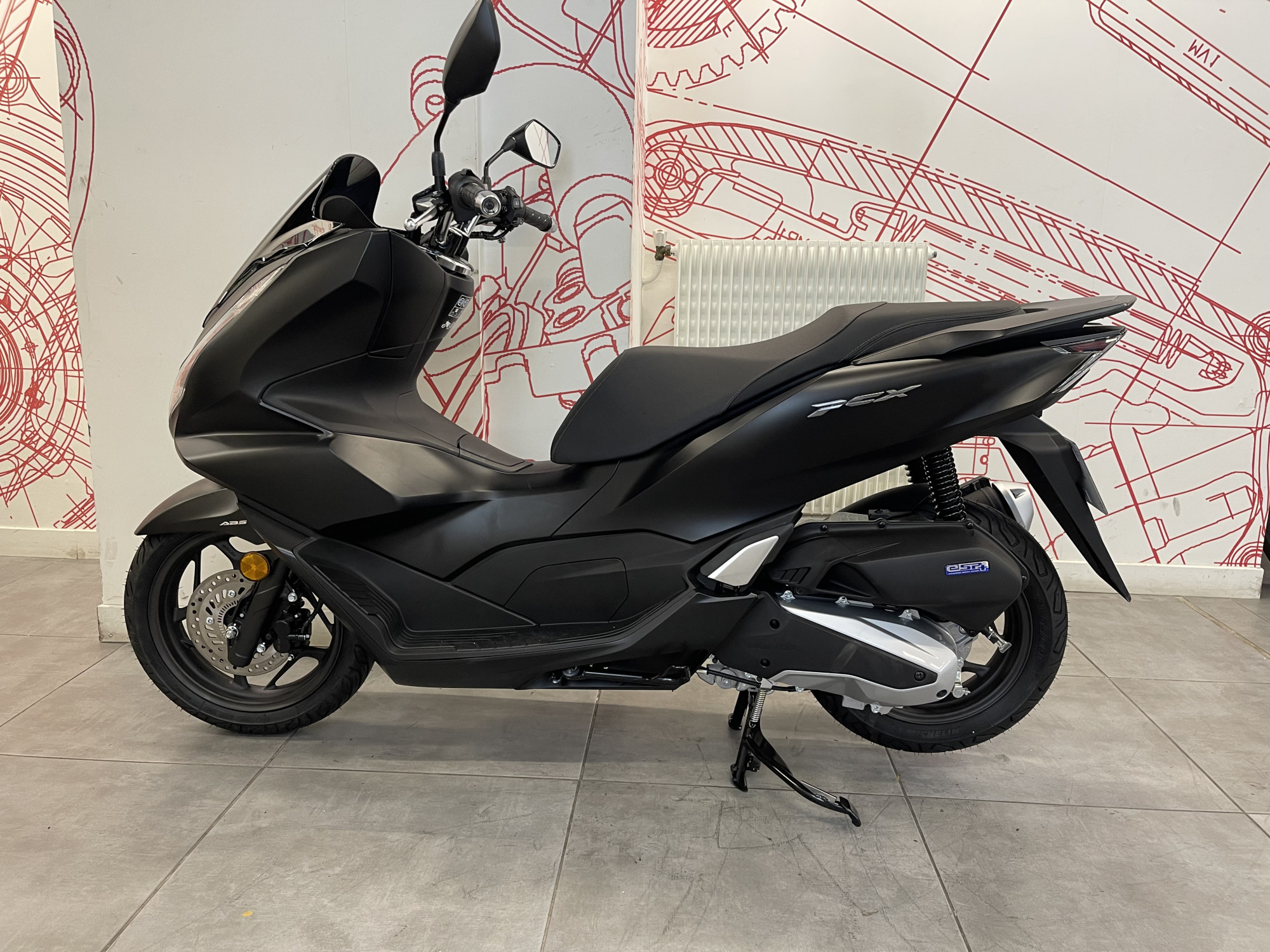
UK: I never expected a routine ride through London traffic to end in a courtroom battle—but that’s exactly what happened. I would normally be driving my Tesla Model X, but with congestion at a standstill, I opted for the moped in my garage to save time.
What began as a brief roadside stop spiralled into months of confusion: a court conviction in my absence, six points added to my licence, and a bailiff at my door demanding more than £1,200.
It all culminated in a courtroom showdown—where the truth finally came to light.
This is the story of how a flawed speeding allegation unravelled—and why it should concern every driver.
The Stop That Didn’t Make Sense
It was an ordinary morning. I was riding my Honda PCX through a typically congested London road—hardly the setting for high-speed driving. Suddenly, I was pulled over by two police officers.
They told me I had been recorded travelling at nearly 60 mph in a 30 mph zone.
I knew immediately something was wrong.
My speedometer had shown around 30 mph. I challenged them on the spot and even asked whether their speed detection equipment had been properly calibrated and certified. They assured me it had, took my details, and told me to expect a summons in the post.
It never arrived.
A Conviction Without My Knowledge
Months later, I got a shock: a bailiff turned up at my home demanding £1,286.
That’s when I discovered I had already been convicted—without ever knowing the case had gone to court.
Due to ongoing postal issues in my area, I never received the court notice and was unaware that proceedings had taken place. Faced with enforcement action, I paid the amount under pressure. However, once I understood the situation, I filed a statutory declaration to have the case reopened. As a result, the fine was fully refunded and the unwarranted six penalty points were removed from my licence.
That decision changed everything.
The Evidence That Fell Apart
Once I finally gained access to the case details, I was stunned.
The speed camera evidence didn’t match my vehicle.
According to the official record, the alleged speeding offence involved a “Tippin Delta” three-wheeler vehicle—not my Honda PCX scooter.
The discrepancy was glaring. These are completely different vehicles, visually and mechanically. Yet somehow, the case had still been pursued.
Even more concerning:
No video evidence was provided
The documentation appeared inconsistent
The case relied heavily on a single reading from a speed device
It became clear that something had gone seriously wrong.
A Tippin Delta
The Courtroom Moment
When the case finally reached Romford Magistrates Court on 14th April 2026, the hearing lasted no more than 10 minutes—but it was enough.
Without the benefit of legal representation, I confidently presented the evidence myself:
Images of the Tippin Delta referenced in the report
Images of my Honda PCX
A clear explanation of why the alleged speed was unrealistic given the road layout and my vehicle’s capabilities
The contrast was almost absurd.
Even the magistrates appeared taken aback—at one point, they visibly reacted when comparing the two vehicles.
Then came the turning point.
The prosecutor requested an adjournment because the officer who issued the allegation was unavailable, having moved away.
I objected.
The magistrates agreed.
Without the officer present and with inconsistent evidence on record, the prosecution had no case left to stand on. They withdrew the charge, and the case was dismissed.
The Real Issue: Confidence in the System
While I’m relieved the truth prevailed, the experience raises serious concerns.
How did a case with such obvious inconsistencies:
Proceed to court
Result in a conviction
Lead to enforcement action
All without basic verification?
Speed detection technology, when used correctly, is an important tool for road safety. But when errors occur—whether through faulty equipment, misidentification, or administrative oversight—the consequences for innocent drivers can be severe.
This isn’t just about one case. It’s about trust in the system.
What Needs to Change
My experience highlights a few key areas that deserve attention:
1. Verification of Evidence
Cases should not proceed where vehicle identification is clearly inconsistent.
2. Accountability in Enforcement
Errors—whether human or technical—must be acknowledged and addressed quickly.
3. Reliable Communication
Legal notices must reach defendants. When they don’t, the system needs stronger safeguards.
4. Transparency in Speed Detection
Drivers should have timely access to evidence, including video or photographic proof.
Final Thoughts
I lost time, money, and peace of mind over an allegation that should never have gone this far.
But I also saw something important: when challenged properly, the system can correct itself.
Still, it shouldn’t take this much effort to prove your innocence.
If there’s one lesson here, it’s this—don’t assume the system is always right. Ask questions. Demand evidence. And if something doesn’t add up, don’t be afraid to stand your ground.
Because sometimes, the difference between a conviction and justice is simply refusing to accept what doesn’t make sense.
You May Also Like

Sindh, Pakistan: BACA Compassionate Outreach: Audio Bibles Bring the Word of God to Christian Community in Berani, Sindh
BACA distributed

Punjab, Pakistan: A Christian doctor’s home and clinic were attacked and set on fire in Narang Mandi village, Gharial Kalan, following an all


PCP need your support that we may provide you better services: click on donate


"Trial of Pakistani Christian Nation" By Nazir S Bhatti
On demand of our readers, I have decided to release E-Book version of "Trial of Pakistani Christian Nation" on website of PCP which can also be viewed on website of Pakistan Christian Congress www.pakistanchristiancongress.org . You can read chapter wise by clicking tab on left handside of PDF format of E-Book.