
New York: Speakers at an event commemorating October 27 as the day of occupation of Jammu and Kashmir called for a peaceful and just resolution of
Safeguarding Christian Burial Grounds: Urgent Action Needed Against Encroachments and Blocked Access Roads. By Sardar Mushtaq Gill, Human Rights Defender and Lawyer
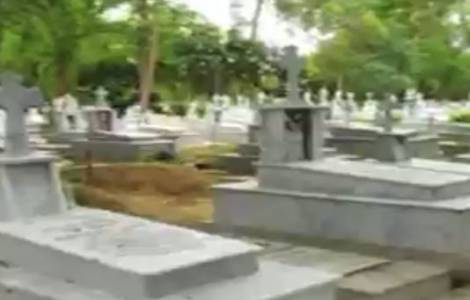
LAHORE, PUNJAB, PAKISTAN: Serious concerns have been raised over reports of damage to Christian graveyards, alleged encroachments, obstruction of access roads, and difficulties faced by Christian families attempting to reach burial grounds in parts of Punjab and elsewhere in Pakistan. These concerns have prompted renewed calls for urgent government intervention, effective legal protection, and peaceful collective action to safeguard the dignity and religious rights of Christian communities.
The protection of burial grounds is a matter of human dignity, religious freedom, equal citizenship, and respect for the deceased. Christian families should be able to bury their loved ones, maintain their graves, and visit their resting places without fear, intimidation, hazardous conditions, or arbitrary restrictions on access.
LEAD Ministries has called upon the relevant state institutions, administrative authorities, land-management departments, and Auqaf authorities to investigate credible complaints, verify property records, address alleged encroachments, and ensure that lawful access routes to Christian graveyards are protected or established through appropriate legal procedures.
Dunyapur Graveyard: Reports of Damage Require Immediate Investigation
Reports from Dunyapur, District Lodhran, have raised serious concerns about the alleged nighttime extraction and sale of sand from a graveyard. According to these reports, large pits have developed within the burial ground, while additional complaints describe garbage dumping and the movement of vehicles, motorcycles, and carts through areas containing graves.
These allegations require prompt and impartial investigation by the relevant authorities. If the reported activities are substantiated, those responsible should be held accountable in accordance with the law.
The authorities should inspect the site, assess the extent of the reported damage, secure dangerous excavations, remove accumulated waste, prevent further deterioration, and ensure safe access for grieving families.
A graveyard is not ordinary land. It is a place of remembrance, mourning, prayer, and spiritual significance. Any unlawful activity that damages burial grounds or places visitors at risk must receive serious attention.
Blocked Access Roads: A Persistent Concern for Christian Communities
In rural Punjab and other parts of Pakistan, Christian communities have raised concerns about difficulties accessing burial grounds when roads are unavailable or blocked, or when access depends on permission from neighbouring landowners.
In some reported disputes, Christian graveyards are surrounded by privately owned or occupied land, leaving families struggling to reach the graves of their relatives. Complaints have alleged that access across adjoining properties has been refused, creating distress and uncertainty for affected communities.
Where individual landowners or occupants are accused of obstructing access, each case must be examined fairly and on the basis of evidence. The issue must not become a reason to blame an entire religious community. Responsibility should be established through impartial investigations, relevant land records, and applicable law.
Nevertheless, legitimate complaints of unlawful obstruction, discrimination, or misuse of local influence must not be ignored.
No family should be forced to depend indefinitely on personal favours merely to visit the resting place of a loved one when a lawful right of access exists or can be secured through appropriate legal procedures.
Government and Auqaf Authorities Urged to Clarify Land Ownership
Particular attention is needed where Christian burial grounds are situated on government-owned land or land administered by the relevant Auqaf authority.
The responsible institutions should verify land ownership, establish official boundaries, examine property records, and determine whether recognised access routes exist. Where access has been unlawfully obstructed or burial land has allegedly been occupied without legal authority, appropriate action should follow.
Where a graveyard lacks a suitable access road, the authorities should examine lawful and practical options for establishing a safe, permanent route.
The existence of a burial ground is not enough if the families it serves cannot reach it. Effective protection must include both the preservation of the site and practical arrangements for lawful access.
Phool Nagar Around 2002: The Importance of Unity and Collective Action
The experience of the Christian community in Phool Nagar, Tehsil Pattoki, District Kasur, around 2002, highlights the importance of unity and collective advocacy in addressing community concerns.
Zulfiqar Masih took a stand concerning Christian community access despite reported resistance involving local government officials and influential political figures. The matter ultimately reached a successful outcome with the support and solidarity of the wider Christian community.
This experience offers an important lesson for communities facing similar challenges today: unity, determination, peaceful advocacy, and sustained engagement with relevant authorities can help people pursue their legitimate rights.
Christian churches, pastors, community leaders, youth representatives, and civil society organisations are encouraged to work together, document their concerns, submit collective applications, and seek lasting solutions through lawful channels.
Preserving firsthand testimonies and available records of the Phool Nagar experience would also help ensure that its history and lessons are accurately documented for future generations.
A Call for Unity, Justice, and Protection of Christian Graveyards
Christian communities across Pakistan are urged to stand united in protecting their legitimate rights and safeguarding their burial grounds. Regardless of denominational differences or organisational affiliations, churches, community leaders, and civil society organisations should work together peacefully, document complaints, approach the relevant authorities, and seek legal assistance where necessary. Unity, cooperation, and persistent lawful advocacy can help affected families address blocked access roads, alleged encroachments, and threats to the dignity of their graveyards.
The relevant state institutions must investigate reports of damage and obstruction, verify land ownership and boundaries, protect vulnerable burial grounds, and ensure that lawful access routes are respected or established through appropriate legal procedures. The reported situation in Dunyapur and concerns raised by other Christian communities deserve impartial investigation and timely action. Effective monitoring, accessible complaint mechanisms, and consultation with affected families are essential to achieving lasting solutions.
Equal citizenship must include the right to bury loved ones according to one's faith, maintain burial grounds, and visit graves without unlawful obstruction or intimidation. Pakistan's constitutional protections for equality and religious freedom should be reflected in the everyday lives of Christian citizens. Access to a graveyard must not depend on political influence, financial resources, or personal relationships with powerful individuals.
The experience recalled from Phool Nagar around 2002 serves as a reminder of the importance of courage, solidarity, and collective action in pursuing legitimate rights. Christian communities should continue to advocate peacefully and persistently, while state institutions must fulfil their responsibilities under the law. A graveyard is a place of remembrance and dignity, not a privilege granted at another person's discretion. Protecting Christian burial grounds means upholding human dignity, religious freedom, equal citizenship, and the rule of law, ensuring that every family can visit the resting place of a loved one with peace and respect.
You May Also Like
INTERNATIONAL: Sardar Mushtaq Gill, Founder and International Advocacy Director of LEAD Ministries, is calling on the international community to ta

OKARA, PUNJAB, PAKISTAN: The reported disruption of a Christian worship service at Nazareth Town Church, Parish, Okara Cantt, has raised serious co


PCP need your support that we may provide you better services: click on donate


"Trial of Pakistani Christian Nation" By Nazir S Bhatti
On demand of our readers, I have decided to release E-Book version of "Trial of Pakistani Christian Nation" on website of PCP which can also be viewed on website of Pakistan Christian Congress www.pakistanchristiancongress.org . You can read chapter wise by clicking tab on left handside of PDF format of E-Book.