
LARKANA / KARACHI: A mother’s desperate appeal for the safe return of her 14-year-old Christian daughter, Anishka, has once again drawn atten
Pakistan Supreme Court Acquits Two Brothers After 20 Years in Blasphemy Case; Religious Conversion, Mental Health and Delayed Justice Under Scrutiny. By Sardar Mushtaq Gill
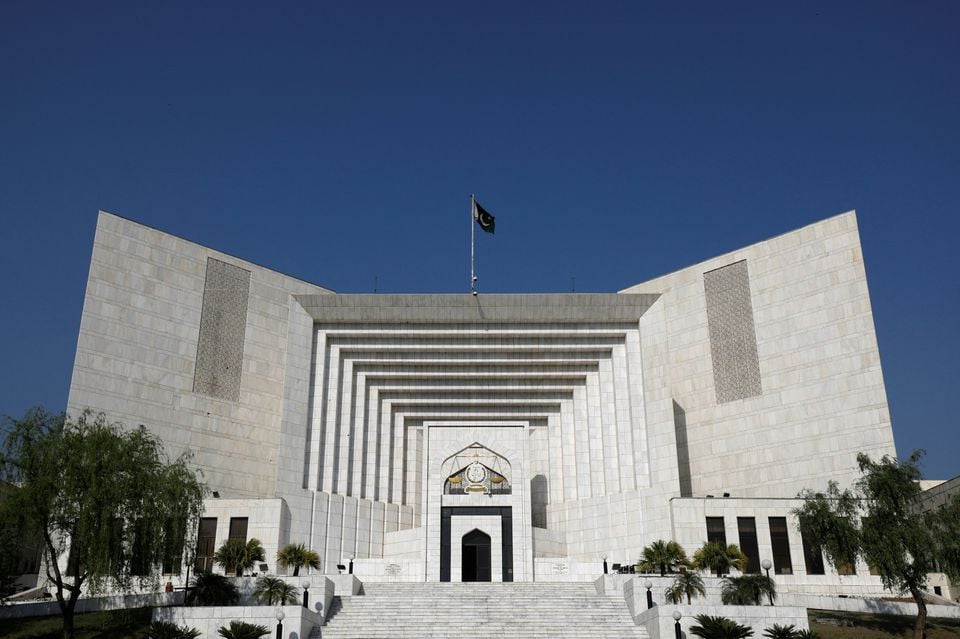
Islamabad: Pakistan’s Supreme Court acquits two brothers after nearly two decades of imprisonment and sets aside their death sentences, bringing renewed attention to religious freedom, mental health, fair trial guarantees and the devastating consequences of delayed justice. Human rights defender Sardar Mushtaq Gill calls for stronger protection of fundamental rights, accountability and justice without discrimination.
In a significant development for human rights and the rule of law in Pakistan, the Supreme Court has acquitted two brothers, Umar Draz and Liaqat Ali, after approximately 20 years of imprisonment in a blasphemy case, setting aside their death sentences previously upheld by the Lahore High Court.
The Supreme Court’s decision highlights serious concerns about criminal responsibility, psychiatric evidence, the protection of accused persons and the consequences of prolonged judicial proceedings. It also brings renewed attention to the circumstances surrounding religious conversion and the potential vulnerability of individuals involved in religiously sensitive disputes.
Marital dispute, conversion from Islam and blasphemy allegations
According to the complaint, the case originated in a marital dispute between Umar Draz and his wife. Draz was accused of making explicit blasphemous statements, allegedly resulting in tensions that culminated in their divorce on March 13, 2006.
A particularly significant detail in the case is that Draz expressly declared his conversion from Islam in writing in the divorce documents.
The complaint further alleged that, during the return of his former wife’s dowry articles, a document attributed to his brother, Liaqat Ali, was recovered containing statements considered blasphemous. On March 18, 2006, the complainant and other witnesses reportedly confronted the brothers over the contents of the documents.
Both men were subsequently prosecuted under Section 295-C of the Pakistan Penal Code.
The sequence of events raises an important human rights question: Did Umar Draz’s conversion from Islam contribute to the marital conflict or influence the subsequent blasphemy accusations?
Although the conversion declaration forms part of the documented background, it would be inaccurate to claim that the Supreme Court established conversion as the motive behind the prosecution. The question nevertheless deserves independent examination, particularly in the context of freedom of religion or belief and the protection of individuals from discrimination and religious prejudice.
Twenty years of imprisonment under the threat of death
On March 27, 2006, a sessions court in Jhang convicted both brothers, sentenced them to death and imposed a fine of Rs500,000 on each.
The Lahore High Court subsequently upheld their convictions and sentences on September 17, 2015. Their legal challenge eventually reached the Supreme Court through Criminal Appeal No. 96 of 2020.
For approximately two decades, the brothers remained imprisoned while facing the possibility of execution. Their prolonged detention illustrates the devastating human consequences of delayed justice, particularly in cases where the accused face capital punishment.
Supreme Court examines psychiatric evidence
A central issue before the Supreme Court concerned the mental health of the two appellants and its relevance to criminal responsibility.
The medical record contained differing assessments. An initial medical board reportedly found both brothers mentally sound in 2007. However, an eight-member medical board in 2023 diagnosed them with bipolar affective disorder accompanied by psychotic symptoms. A subsequent nine-member medical board, constituted in September 2025, also diagnosed bipolar disorder, current episode manic.
The Supreme Court examined these findings under Section 84 of the Pakistan Penal Code, which addresses criminal responsibility where unsoundness of mind prevents an individual from understanding the nature of an act or that it is wrong or contrary to law.
In its judgment authored by Justice Ishtiaq Ibrahim, the Court considered the psychiatric evidence and surrounding circumstances, concluding that reasonable doubt existed concerning the brothers’ criminal responsibility.
The Court extended the benefit of doubt, set aside their convictions and death sentences, and acquitted both appellants. It also addressed their release, subject to their not being required in another case, and the need for continued medical treatment.
Justice Shakeel Ahmad, in a concurring opinion, highlighted the important distinction between medical insanity and legal insanity.
Sardar Mushtaq Gill highlights the importance of human rights and justice
Sardar Mushtaq Gill, human rights defender, lawyer and founder and International Advocacy Director of LEAD Ministries, emphasises the significance of the case in the broader struggle for justice, human dignity and fundamental freedoms.
The acquittal after approximately 20 years cannot restore the lost years, undo the psychological suffering or erase the consequences of prolonged imprisonment. It nevertheless demonstrates why judicial safeguards, independent medical assessments and effective legal remedies are essential.
The case also reinforces the responsibility of state institutions to ensure that blasphemy accusations are investigated impartially and that no individual is deprived of liberty or exposed to capital punishment without a fair and evidence-based judicial process.
Religious freedom and the right to change one’s belief
Article 18 of the Universal Declaration of Human Rights recognises freedom of thought, conscience and religion, including the freedom to change one's religion or belief.
Umar Draz's written declaration of conversion from Islam makes religious freedom an important dimension of the case’s background. Every individual must enjoy protection against discrimination, intimidation and persecution because of religious identity or personal belief.
At the same time, the circumstances surrounding the accusations must be examined through credible evidence rather than assumptions about the motives of the complainants.
The acquittal should not be misrepresented as a judicial determination that conversion caused the prosecution. However, the case provides an important opportunity to examine the relationship between personal disputes, religious differences and criminal accusations.
A powerful reminder that justice must not take twenty years
The acquittal of Umar Draz and Liaqat Ali is a significant reminder that the presumption of innocence, equality before the law, freedom of religion and the right to a fair trial must be protected in practice, not merely recognised in legal documents.
For human rights defenders, the central concern extends beyond the outcome of this particular case. It concerns the institutional safeguards necessary to prevent wrongful convictions, protect individuals with mental health conditions and ensure that people accused of religious offences are not subjected to prolonged injustice.
Twenty years of imprisonment is an enormous human cost. No individual should have to spend decades waiting for the justice that the law is supposed to guarantee. Pakistan must strengthen its human rights protections, uphold religious freedom and ensure that justice is delivered without discrimination, prejudice or unnecessary delay.
You May Also Like
Pakistan: The British Asian Christian Association (BACA) has completed its first-ever safe house in Pakistan, creating a secure refuge for Christia
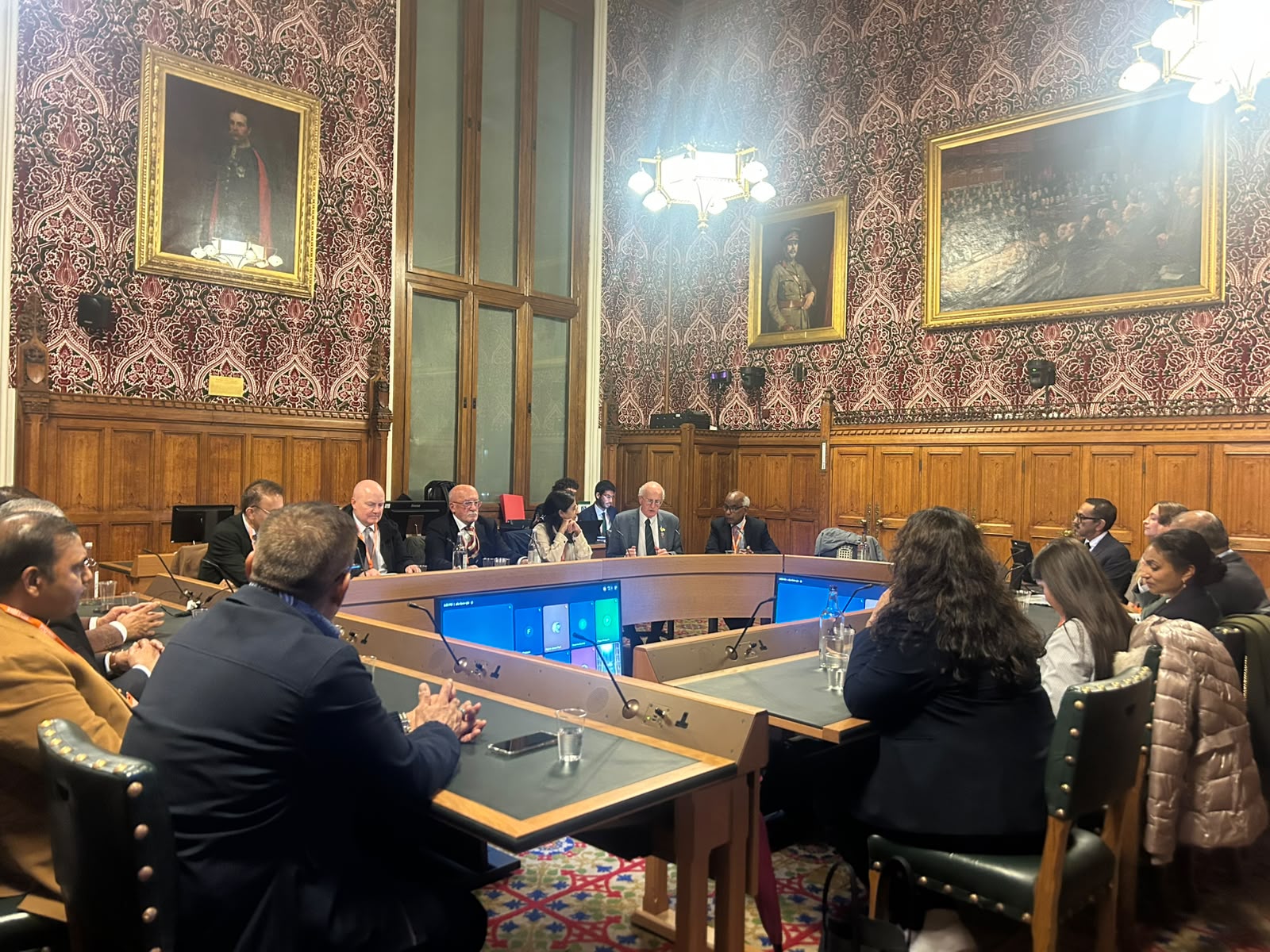
London, UK: British Asian Christian Association (BACA) has welcomed a major international human rights report launched at the House of Commons, hig


PCP need your support that we may provide you better services: click on donate


"Trial of Pakistani Christian Nation" By Nazir S Bhatti
On demand of our readers, I have decided to release E-Book version of "Trial of Pakistani Christian Nation" on website of PCP which can also be viewed on website of Pakistan Christian Congress www.pakistanchristiancongress.org . You can read chapter wise by clicking tab on left handside of PDF format of E-Book.