
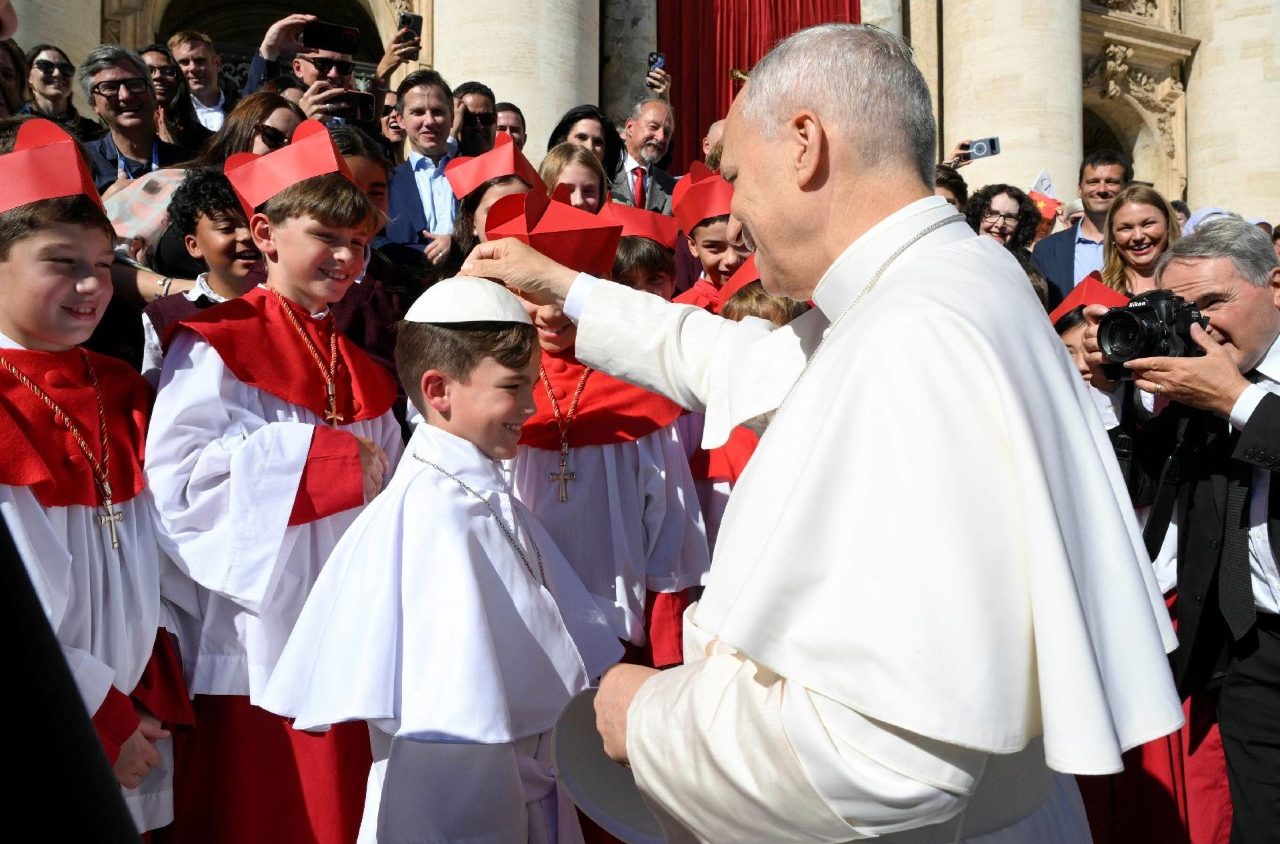
Vatican City: (Vatican News) Students from a Catholic school in Pope Leo XIV’s hometown of Chicago are preparing a "care package" f
“Talk to Our Pastors”: A Christian Woman’s Flight From Fear Exposes the Vulnerability of Pakistan’s Brick-Kiln Families. Report by Sardar Mushtaq Gill

A woman’s testimony from Kasur describes alleged violence, religious abuse and intimidation—and reveals why the Church remains a critical refuge for vulnerable Christians
KASUR, PUNJAB, PAKISTAN — In the quiet, impoverished communities surrounding Pakistan’s brick kilns, hardship is often measured not only in wages and debt, but in the choices families have left when fear enters their lives.
For one Christian woman in Kasur, that choice became painfully personal.
In a video testimony concerning the family of Christian brick-kiln worker Lazar Masih, the woman describes what she says was a period of violence, intimidation and humiliation that eventually forced her to flee. Her account portrays a family struggling at the intersection of poverty, alleged bonded labor and religious vulnerability.
But one moment in her testimony stands out above the rest.
As the family allegedly faced violence and threats, she says she told the brick-kiln owners that she wanted to speak with her pastors.
Her appeal was simple.
She wanted help from the Church.
According to her testimony, the response was not reassurance but intimidation. She says the brickkiln owners told the family that the police, the courts and even the media could do nothing against them.
She further alleges that they used religiously hatred language against the family, including the word “Chura,” a pejorative term historically used against Christians in Pakistan by Extremists Muslims.
She says the family was told that they were “nothing” and that their pastors were “nothing.”
For a woman already describing herself as frightened and vulnerable, the alleged message was unmistakable: the people she says held power believed that nobody could challenge them.
A Cry for Help
The woman’s testimony gives the case a deeply personal dimension.
Lazar Masih has separately alleged that he was physically abused, threatened and subjected to severe pressure while working at a brick kiln in Kasur District. His account includes allegations of torture, intimidation and economic exploitation, while the family's testimony says that the suffering extended to his wife, children and elderly mother.
The family has also described circumstances consistent with what Christian advocates identify as the dangers associated with bonded labor: poverty, low wages, deductions and economic dependence that can make it extraordinarily difficult for workers to leave.
For Lazar’s wife, however, the crisis was not merely about employment.
It was about survival.
She says she witnessed the suffering of her family and eventually fled.
Her testimony captures the predicament of countless vulnerable people who may technically possess legal rights but lack the economic resources, social influence or physical security necessary to exercise them.
When Fear Becomes a Barrier to Justice
The allegation that the family was told that police, courts and the media could do nothing is among the most serious elements of the testimony.
If established, such threats would go beyond workplace intimidation. They would suggest an attempt to convince vulnerable workers that the institutions designed to protect them were powerless.
For someone living in poverty, that perception can be enough to prevent a complaint from ever being made.
A worker who fears losing employment may hesitate to approach authorities.
A family with no savings may fear homelessness.
A woman facing threats may fear retaliation.
And a Christian minority family already conscious of its vulnerable position may feel even less capable of challenging those with greater economic or social power.
This is why the wife’s decision to speak publicly carries significance.
She did not remain completely silent.
She told her story.
The Meaning of “Chura”
The alleged use of the word “Chura” adds a religious dimension to the family’s account.
The term has historically been used as a religious hatred against Christians in Pakistan. Its significance is therefore greater than an ordinary insult. For Christians who have experienced discrimination, the word can carry the weight of generations of social and religious humiliation.
In this case, the woman says the term was used during a confrontation in which she was attempting to seek help from her pastors. If her account is accurately reflected in the video, the alleged language would suggest that religious identity was being invoked as an instrument of humiliation and intimidation.
That allegation requires investigation.
It is also important to distinguish between the alleged actions of particular individuals and Pakistan’s Muslim population as a whole. The issue is not the faith of every Muslim citizen, but the reported conduct of the extremists whom the family identifies as responsible for the alleged abuse.
A Christian Family at the Edge
The Masih family’s circumstances illustrate how economic vulnerability can magnify the risks faced by religious minorities.
Pakistan’s Christian community is a small minority within a predominantly Muslim country. Many Christian families live in difficult economic circumstances, and some communities remain concentrated in low-income occupations where access to education and alternative employment is limited.
Brick-kiln work is among the sectors in which poor families can become heavily dependent upon employers.
When debt, advances, low wages and deductions become intertwined, workers can find themselves trapped in an economic cycle that is difficult to escape.
For families with children to feed, walking away from an employer can seem impossible—even when the workplace has become unbearable.
The result can be a devastating contradiction:
A person may be legally free but practically unable to leave.
When the Church Becomes the Last Door
Against this backdrop, the woman's words about her pastors become particularly significant.
She did not first speak of wealth.
She did not ask for political power.
She asked to speak with her pastors.
For a vulnerable Christian family, the pastor can be one of the few trusted figures who is accessible, familiar and willing to listen.
The Church can become the first place where a victim feels safe enough to speak.
It can offer pastoral care to traumatized families, connect people with legal and humanitarian services, assist children with education and help vulnerable workers find legitimate alternatives to exploitative employment.
That role does not make the Church a substitute for the state.
Police must investigate allegations of criminal conduct.
Courts must determine guilt.
Labor authorities must enforce labor protections.
Government institutions must protect citizens regardless of religion.
But when a frightened woman says, “I want to speak with my pastors,” it is a reminder that institutions alone do not provide emotional and spiritual refuge.
People also need somewhere they trust.
The Church’s Responsibility
For Pakistan’s Christian community, the case raises a question that extends far beyond one brick kiln:
What happens when a Christian family believes it has nowhere else to turn?
The answer cannot be silence.
Churches must be prepared to receive vulnerable families, document allegations responsibly, connect them with competent legal assistance and work with credible humanitarian organizations who commit to protect faith and families.
Christian leaders must also ensure that compassion does not become a substitute for justice.
The purpose of intervention should be to help families reach safety, obtain lawful assistance and regain the ability to support themselves with dignity.
That means more than emergency food or temporary shelter.
It means education.
It means vocational training.
It means legal awareness.
It means sustainable employment.
It means helping families escape cycles of debt and dependence.
And it means ensuring that children are not condemned to inherit the same economic vulnerability as their parents.
A Broader Story of Christian Suffering
The Masih family’s allegations emerge within a wider environment in which Pakistan’s Christians have faced discrimination, social exclusion, accusations under blasphemy laws, mob violence and economic vulnerability.
Not every hardship experienced by a Christian is necessarily religious persecution, and individual allegations must be established through evidence.
But the cumulative reality of discrimination and vulnerability means that cases involving alleged religious insults, threats or violence against Christians deserve careful scrutiny.
For Christian families living at the margins, religious identity can intersect with poverty in ways that make vulnerability particularly acute.
The woman from Kasur is therefore telling more than a personal story.
She is describing what it feels like when economic dependence, fear and religious identity collide.
From Escape to a Future
Fleeing an alleged abusive environment may save a family from immediate danger, but escape alone does not guarantee freedom.
A family that leaves a brick kiln still needs food.
It needs shelter.
Children need education.
Parents need lawful employment.
The family needs access to justice.
And, perhaps most importantly, it needs protection from retaliation.
This is why LEAD Ministries have emphasized long-term solutions alongside immediate intervention.
Vocational training, education, entrepreneurship, legal assistance and lawful employment can help vulnerable families move from dependency toward independence.
For a family that has spent years struggling under poverty, the greatest form of assistance may ultimately be the opportunity to build a life in which survival no longer depends upon an abusive or exploitative relationship.
A Voice That Refused to Disappear
The woman’s testimony is powerful precisely because it is personal.
She describes fear.
She describes humiliation.
She describes an alleged warning that authorities could do nothing.
She describes religiously derogatory language.
And she describes turning toward her pastors.
Then she fled.
But she did not disappear.
Her testimony has become a public appeal for justice and protection.
A woman believed she was unsafe, and she believed the Church might be the place where someone would listen.
That places a profound responsibility on Christian leaders.
The Church must not become a refuge only in words.
It must be a refuge in practice.
When a persecuted Christian comes through its doors, there must be someone willing to listen.
When a family is frightened, there must be someone willing to stand beside them.
When children are trapped in poverty, there must be someone willing to help them imagine a different future.
And when allegations of injustice arise, there must be Christians willing to pursue truth without hatred and justice without vengeance.
“We Are Not Alone”
The story of Lazar Masih’s wife is ultimately a story of a woman who says she was pushed to the point of flight but refused to surrender her hope.
She sought her pastors.
She sought protection.
She sought a voice that could speak when she felt powerless.
Her testimony is a reminder to the global Christian community that persecuted and economically vulnerable believers in Pakistan need more than sympathy from afar.
They need solidarity.
They need responsible advocacy.
They need practical assistance.
They need access to justice and protection.
And they need churches willing to stand beside them.
For a woman who says she fled from fear, the most important message the Christian community can offer is not revenge against those she accuses.
It is something far more powerful:
You are heard.
You are valued.
You have dignity.
You are not forgotten.
And you are not alone.
In the darkness of an alleged cycle of abuse and intimidation, those words can become the beginning of hope.
And for this Christian woman from Kasur, hope began with a simple request:
“Let me speak to my pastors.”
You May Also Like
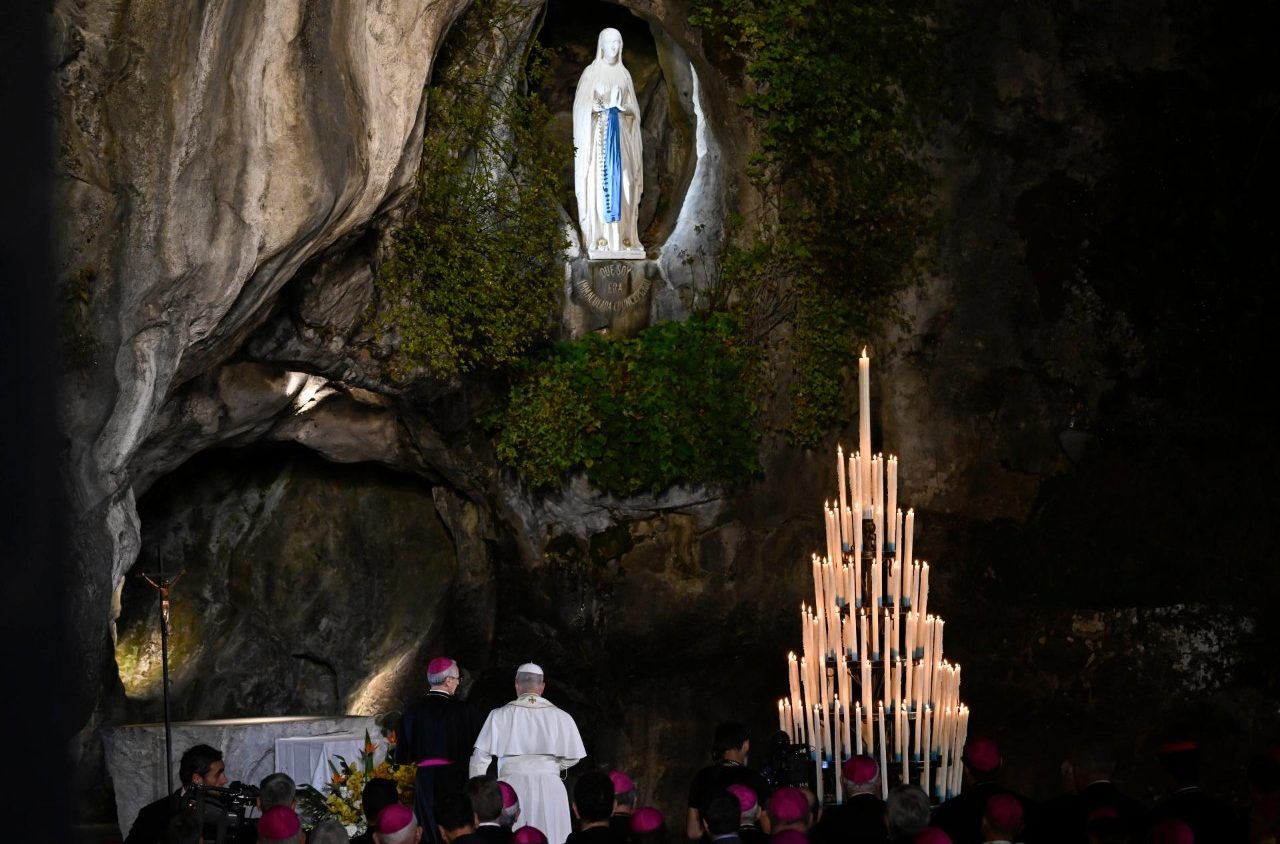
Lourdes: (Vatican News by Isabella H. de Carvalho) “Mesdames et messieurs, le Pape est à Lourdes!” (“Ladies and gentlemen,
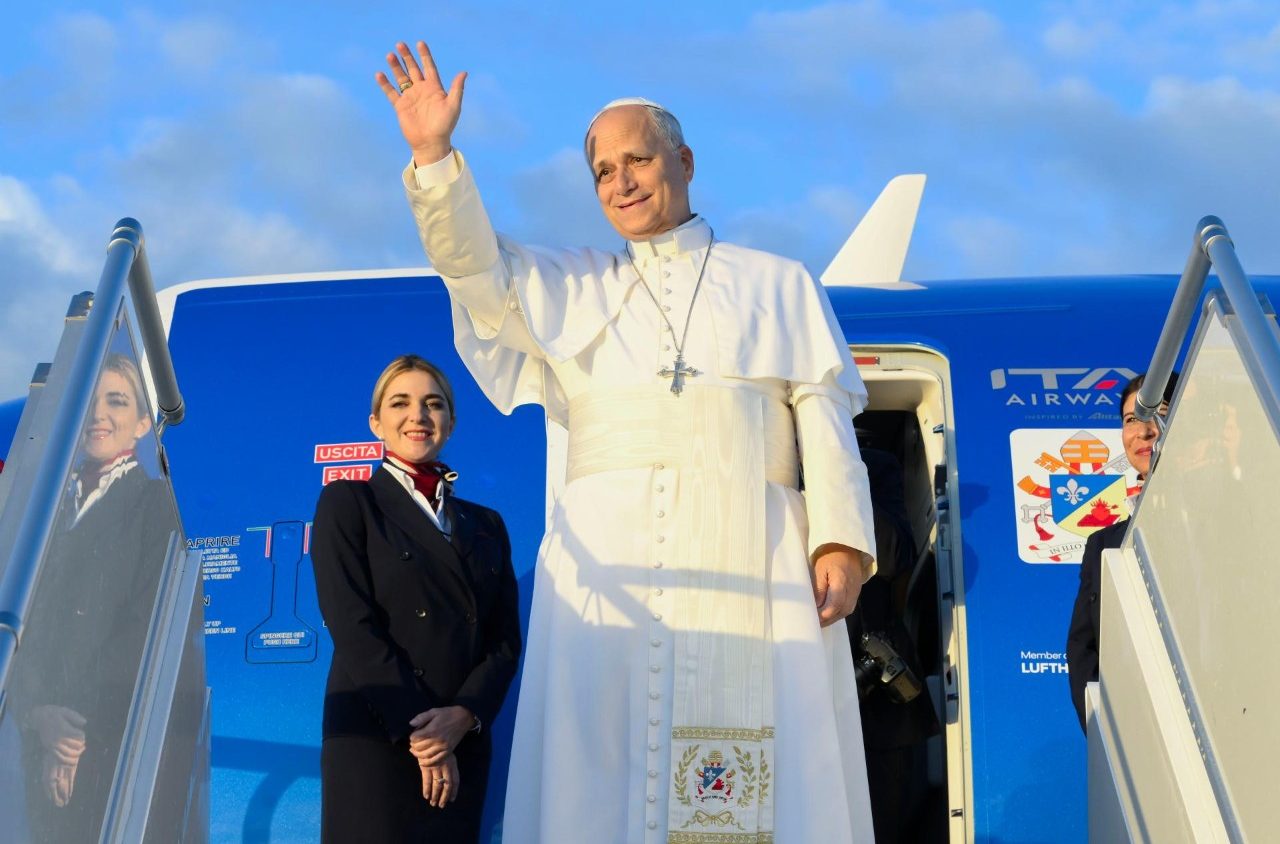
Vatican City: (By Devin Watkins for Vatican News) Pope Leo XIV boarded the papal plane at Rome’s Fiumicino airport on Friday, accompanied by


PCP need your support that we may provide you better services: click on donate


"Trial of Pakistani Christian Nation" By Nazir S Bhatti
On demand of our readers, I have decided to release E-Book version of "Trial of Pakistani Christian Nation" on website of PCP which can also be viewed on website of Pakistan Christian Congress www.pakistanchristiancongress.org . You can read chapter wise by clicking tab on left handside of PDF format of E-Book.