
India is arguably the oldest civilization of the world but it is difficult to believe that how such a vast civilization was invaded and ruled by fo
Indian air-strikes on terror infrastructure isolated Pakistan globally. By Farooq Ganderbali
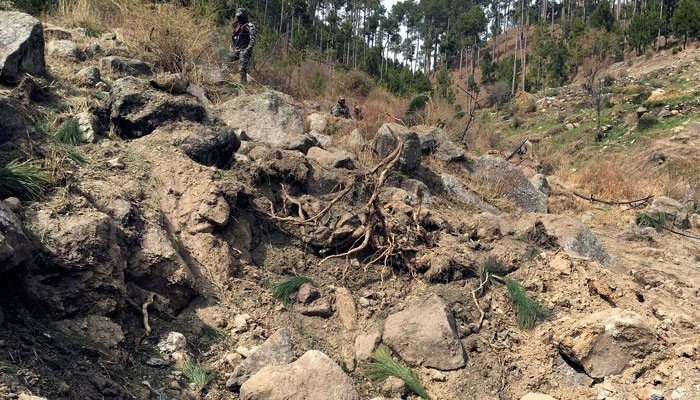
The air-strikes by India on terror infrastructure deep inside Pakistan after the February 14 Pulwama suicide attack has now isolated Pakistan globally. It is a victory of India’s diplomacy. New Delhi must keep up the pressure on Pakistan to crack down on terrorism infrastructure and the masterminds of terrorist attacks despite the release of Wing Commander Abhinandan Varthaman following backchannel diplomacy and public messaging by global powers.
New Delhi must persist as Islamabad shows no signs of dismantling terror infrastructure and acting against operatives such as Jaish-e-Mohammad (JeM) chief Masood Azhar. The Pakistan-based JeM had claimed responsibility for the February 14 terrorist attack in Kashmir that sparked the current tensions at the border.
Getting the wing commander back was India’s objective, without any deal or negotiations. India avoided Kandahar-type of situation where it has to exchange terrorists in exchange. Abhinandan’s return will not mean that India will go slow with its demand on Pakistan-based terror infrastructure and terror financing.
India’s tough line is evident from the fact that Pakistan Prime Minister Imran Khan tried to speak to counterpart Narendra Modi thrice to inform him about the decision to release the IAF pilot but was rebuffed. Pakistan’s efforts to link the release with de-escalation of tension has not gone down well with New Delhi. There is a larger issue involved with regard to terror infrastructure. A dossier was handed over to Pakistan on JeM when its deputy envoy was called to ensure release of the wing commander.”
The Modi government wants Khan to walk the talk on investigating the February 14 Pulwama attack and crack down on terror infrastructure. India wants immediate, credible and verifiable action against terrorists and their proxies. There is a political will in India to target terror camps and terror infrastructure. The entire international community expressed solidarity with India following the Pulwama terror attacks and subsequently supported India’s right to defend itself. While India’s action was a nonmilitary one, Pakistan’s intentions were clear. It was trying to target military installations.
While endorsing India’s right to act in self-defence both through public statements and in bilateral meetings, global powers including Saudi Arabia and the United Arab Emirates (UAE) tried to defuse tensions. US President Donald Trump’s statement in Hanoi on Thursday was a clear indication that Washington had sought to lower temperatures even as it asked Pakistan to act against terror groups.
France batted for India at the UN Security Council to corner Pakistan on Masood Azhar and to keep the country on the Financial Action Task Force (FATF) gray list over its inability to rein in terror funding. China refused to back its traditional ally Pakistan unconditionally, sensing an improvement in relations with India amid growing economic ties. Pakistan had sought Beijing’s backing, but China wasn’t prepared to give unequivocal support.
Indian air-strikes on terror infrastructure isolated Pakistan globally
The air-strikes by India on terror infrastructure deep inside Pakistan after the February 14 Pulwama suicide attack has now isolated Pakistan globally. It is a victory of India’s diplomacy. New Delhi must keep up the pressure on Pakistan to crack down on terrorism infrastructure and the masterminds of terrorist attacks despite the release of Wing Commander Abhinandan Varthaman following backchannel diplomacy and public messaging by global powers.
New Delhi must persist as Islamabad shows no signs of dismantling terror infrastructure and acting against operatives such as Jaish-e-Mohammad (JeM) chief Masood Azhar. The Pakistan-based JeM had claimed responsibility for the February 14 terrorist attack in Kashmir that sparked the current tensions at the border.
Getting the wing commander back was India’s objective, without any deal or negotiations. India avoided Kandahar-type of situation where it has to exchange terrorists in exchange. Abhinandan’s return will not mean that India will go slow with its demand on Pakistan-based terror infrastructure and terror financing.
India’s tough line is evident from the fact that Pakistan Prime Minister Imran Khan tried to speak to counterpart Narendra Modi thrice to inform him about the decision to release the IAF pilot but was rebuffed. Pakistan’s efforts to link the release with de-escalation of tension has not gone down well with New Delhi. There is a larger issue involved with regard to terror infrastructure. A dossier was handed over to Pakistan on JeM when its deputy envoy was called to ensure release of the wing commander.”
The Modi government wants Khan to walk the talk on investigating the February 14 Pulwama attack and crack down on terror infrastructure. India wants immediate, credible and verifiable action against terrorists and their proxies. There is a political will in India to target terror camps and terror infrastructure. The entire international community expressed solidarity with India following the Pulwama terror attacks and subsequently supported India’s right to defend itself. While India’s action was a nonmilitary one, Pakistan’s intentions were clear. It was trying to target military installations.
While endorsing India’s right to act in self-defence both through public statements and in bilateral meetings, global powers including Saudi Arabia and the United Arab Emirates (UAE) tried to defuse tensions. US President Donald Trump’s statement in Hanoi on Thursday was a clear indication that Washington had sought to lower temperatures even as it asked Pakistan to act against terror groups.
France batted for India at the UN Security Council to corner Pakistan on Masood Azhar and to keep the country on the Financial Action Task Force (FATF) gray list over its inability to rein in terror funding. China refused to back its traditional ally Pakistan unconditionally, sensing an improvement in relations with India amid growing economic ties. Pakistan had sought Beijing’s backing, but China wasn’t prepared to give unequivocal support.
New Delhi must persist as Islamabad shows no signs of dismantling terror infrastructure and acting against operatives such as Jaish-e-Mohammad (JeM) chief Masood Azhar. The Pakistan-based JeM had claimed responsibility for the February 14 terrorist attack in Kashmir that sparked the current tensions at the border.
Getting the wing commander back was India’s objective, without any deal or negotiations. India avoided Kandahar-type of situation where it has to exchange terrorists in exchange. Abhinandan’s return will not mean that India will go slow with its demand on Pakistan-based terror infrastructure and terror financing.
India’s tough line is evident from the fact that Pakistan Prime Minister Imran Khan tried to speak to counterpart Narendra Modi thrice to inform him about the decision to release the IAF pilot but was rebuffed. Pakistan’s efforts to link the release with de-escalation of tension has not gone down well with New Delhi. There is a larger issue involved with regard to terror infrastructure. A dossier was handed over to Pakistan on JeM when its deputy envoy was called to ensure release of the wing commander.”
The Modi government wants Khan to walk the talk on investigating the February 14 Pulwama attack and crack down on terror infrastructure. India wants immediate, credible and verifiable action against terrorists and their proxies. There is a political will in India to target terror camps and terror infrastructure. The entire international community expressed solidarity with India following the Pulwama terror attacks and subsequently supported India’s right to defend itself. While India’s action was a nonmilitary one, Pakistan’s intentions were clear. It was trying to target military installations.
While endorsing India’s right to act in self-defence both through public statements and in bilateral meetings, global powers including Saudi Arabia and the United Arab Emirates (UAE) tried to defuse tensions. US President Donald Trump’s statement in Hanoi on Thursday was a clear indication that Washington had sought to lower temperatures even as it asked Pakistan to act against terror groups.
France batted for India at the UN Security Council to corner Pakistan on Masood Azhar and to keep the country on the Financial Action Task Force (FATF) gray list over its inability to rein in terror funding. China refused to back its traditional ally Pakistan unconditionally, sensing an improvement in relations with India amid growing economic ties. Pakistan had sought Beijing’s backing, but China wasn’t prepared to give unequivocal support.
Indian air-strikes on terror infrastructure isolated Pakistan globally
The air-strikes by India on terror infrastructure deep inside Pakistan after the February 14 Pulwama suicide attack has now isolated Pakistan globally. It is a victory of India’s diplomacy. New Delhi must keep up the pressure on Pakistan to crack down on terrorism infrastructure and the masterminds of terrorist attacks despite the release of Wing Commander Abhinandan Varthaman following backchannel diplomacy and public messaging by global powers.
New Delhi must persist as Islamabad shows no signs of dismantling terror infrastructure and acting against operatives such as Jaish-e-Mohammad (JeM) chief Masood Azhar. The Pakistan-based JeM had claimed responsibility for the February 14 terrorist attack in Kashmir that sparked the current tensions at the border.
Getting the wing commander back was India’s objective, without any deal or negotiations. India avoided Kandahar-type of situation where it has to exchange terrorists in exchange. Abhinandan’s return will not mean that India will go slow with its demand on Pakistan-based terror infrastructure and terror financing.
India’s tough line is evident from the fact that Pakistan Prime Minister Imran Khan tried to speak to counterpart Narendra Modi thrice to inform him about the decision to release the IAF pilot but was rebuffed. Pakistan’s efforts to link the release with de-escalation of tension has not gone down well with New Delhi. There is a larger issue involved with regard to terror infrastructure. A dossier was handed over to Pakistan on JeM when its deputy envoy was called to ensure release of the wing commander.”
The Modi government wants Khan to walk the talk on investigating the February 14 Pulwama attack and crack down on terror infrastructure. India wants immediate, credible and verifiable action against terrorists and their proxies. There is a political will in India to target terror camps and terror infrastructure. The entire international community expressed solidarity with India following the Pulwama terror attacks and subsequently supported India’s right to defend itself. While India’s action was a nonmilitary one, Pakistan’s intentions were clear. It was trying to target military installations.
While endorsing India’s right to act in self-defence both through public statements and in bilateral meetings, global powers including Saudi Arabia and the United Arab Emirates (UAE) tried to defuse tensions. US President Donald Trump’s statement in Hanoi on Thursday was a clear indication that Washington had sought to lower temperatures even as it asked Pakistan to act against terror groups.
France batted for India at the UN Security Council to corner Pakistan on Masood Azhar and to keep the country on the Financial Action Task Force (FATF) gray list over its inability to rein in terror funding. China refused to back its traditional ally Pakistan unconditionally, sensing an improvement in relations with India amid growing economic ties. Pakistan had sought Beijing’s backing, but China wasn’t prepared to give unequivocal support.
You May Also Like
Jammu & Kashmir is moving forward with a new spirit of hope, confidence and ambition. Today, the youth of Kashmir are making their mark in spor
India’s claim to democratic greatness rests on its vast electorate, constitutional framework and extraordinary diversity. Yet democracy is me


PCP need your support that we may provide you better services: click on donate


"Trial of Pakistani Christian Nation" By Nazir S Bhatti
On demand of our readers, I have decided to release E-Book version of "Trial of Pakistani Christian Nation" on website of PCP which can also be viewed on website of Pakistan Christian Congress www.pakistanchristiancongress.org . You can read chapter wise by clicking tab on left handside of PDF format of E-Book.