

Nigeria is preparing to take centre-stage in the global fight against drug resistance or antimicrobial resistance (AMR), with the Federal Governmen
Constitutional amendments and vulnerable minorities. By Khalid Shahzad
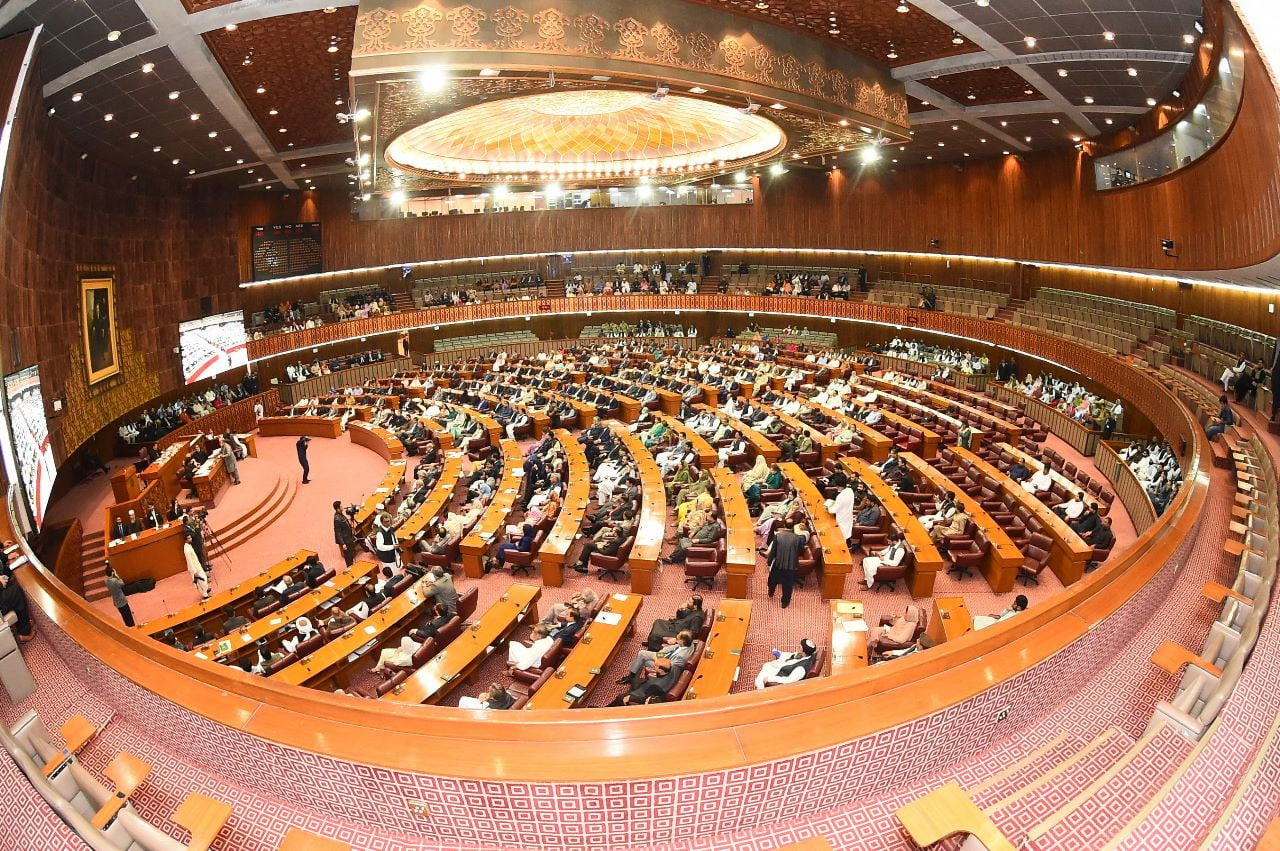
The Constitution of Pakistan, under its Articles 20 and 25, guarantees equal rights and religious freedom to all citizens, regardless of religion. The Pakistan that Quaid-e-Azam Muhammad Ali Jinnah had envisioned in his historic speech on August 11, 1947, was one in which minorities were to be equal partners in the state. But today’s Pakistan seems far from that dream. The brutal murder of an innocent Sikh couple by a serving police officer in Mardan is not the first incident, but rather a link in a chain that exposes the administrative, security and constitutional failures of the state. When law enforcement agencies (police or security forces) tasked with providing protection by the state become attackers instead of protectors due to extremism, ideological affiliation, or personal grudges, many questions arise about the administrative failure of the state and the serious failure of security in terms of seriousness and policy. In the recent past too, government security officials were found involved in incidents like terrorism and murder due to their religious affiliation and emotionalism. On January 4, 2011, in broad daylight at Kohsar Market, Islamabad, Mumtaz Qadri, an elite force officer of the Punjab Police, who was part of the official security team (SCOT) of the then Governor of Punjab Salman Taseer, opened fire on them with an automatic government rifle and killed them. Mumtaz Qadri admitted at the time of his arrest that he took this step because of Salman Taseer's statements regarding the blasphemylaw.
2024, A Frontier Constabulary (FC) officer shot and killed a Sikh citizen in Quetta, the capital of Balochistan. The FC officer claimed that the action was taken on an alleged charge of blasphemy, but authorities immediately arrested the officer, calling it a serious violation of the law and dereliction of duty. 2020, Inside a local court in Peshawar, police constable Ahmed Khan, on security duty, shot and killed a detained suspect, Tahir Ahmed Naseem, inside the security fence and in front of the judge. The suspect was facing a blasphemy case, and the police officer bypassed the court security to take the law into his own hands. The man who shot and killed the Sikh couple in Mardan was not a foreign terrorist, but a law-abiding, uniformed police officer. When the protectors of the state go on to kill innocent citizens over ideological differences, questions also arise about the impartiality of the state. From Mumtaz Qadri to the recent Mardan incident, the growing radicalization within the police has become a horrifying truth. The reasons for the failure of the police and law enforcement agencies are as follows. Such incidents show that when strict psychological and ideological screening is not carried out at the time of recruitment in law enforcement agencies, the guards themselves become the biggest threat.
Lack of psychological and ideological screening: There is no psychological or ideological screening of personnel at the time of recruitment and during service in the police. It is not known to what extent the person hiding behind the uniform holds extremist ideologies. Due to the weak accountability system, officers who commit attacks or negligence on
minorities are not made an example of, which gives such elements within the department an opportunity. Failure in the security of religious leaders The police have always failed to provide security to important minority leaders and active citizens, due to which they consider themselves unsafe in Pakistan.
Twelve years ago today, on June 19, 2014, the then Chief Justice of the Supreme Court of Pakistan, Tassaduq Hussain Jilani, issued a historic and revolutionary decision to protect the rights of minorities after the Peshawar church attack. In this judgment, the Supreme Court gave the following basic instructions to the government in clear terms: Security of religious places: A special police force should be set up to protect the places of worship of all non-Muslim citizens (churches, temples and gurdwaras besides mosques). Ending hate speech: Stop hate campaigns against minorities on social media and public platforms.
Reforming the education curriculum: All such things that promote religious hatred should be removed from the educational curriculum. National Commission for Minorities: An empowered and dynamic National Commission for Minorities should be established to monitor their rights.
But the sad fact is that despite the passage of more than a decade, the attitude of the governments remained traditional indifference. The orders of the Supreme Court were thrown into the dustbin, the consequences of which are being borne by the minority communities today. The Supreme Court had set up a "one-man commission" headed by Dr. Shoaib Siddle to implement its judgment. Dr. Shoaib Siddle did a lot of work regarding the neglected rights of minorities, their land encroachments and security and constantly criticized the government, however, parallel to this one-member commission, the 'minority commissions' formed at the political or official level were limited to political bribery and paperwork. These commissions could not go beyond collecting "DA-DA" (Daily Allowance), taking government benefits and organizing "tea parties". They neither have any administrative powers, nor do they have any power to provide justice to any oppressed minority citizen. Until a major tragedy occurs, these commissions live in a rabbit's dream and after the tragedy, they simply issue a condemnatory statement and resign from their responsibilities.
The attitude of the government is always based on 'Reactive Politics'. When a Sikh, Christian or Hindu citizen is targeted, tweets or press releases come from the Prime Minister and Chief Ministers, a compensation of a few lakh rupees is announced, and the matter is over. No government has till date formulated a long-term preventive strategy to uproot this root cause of extremism. The points of the National Action Plan (NAP) that were related to the protection of minorities and madrassa and curriculum reforms are still incomplete.
If the state is serious in its statements and Pakistan really wants to make a peaceful and pluralistic society, then mere statements will not work, but immediate and concrete steps are needed. The 2014 decision of the Supreme Court should be made part of the law and all its provisions should be implemented immediately. Instead of bypassing the recommendations of Dr. Shoaib Siddle Commission, they should be implemented administratively.
Purification of the police force, mandatory psychological and ideological screening of personnel in all law enforcement agencies should be done. Personnel found to be inclined towards any kind of religious hatred or extremism should be dismissed from service immediately.
A special force should be established for religious places and instead of ordinary security guards, a regularly trained “minority protection force” should be formed for the security of minority places of worship, which should be equipped with modern weapons and all the personnel should be youth from minority communities. Political commissions should be abolished and an empowered body should be formed and instead of tea party commissions, a national commission of minorities should be formed with judicial powers, which can take action (Suo Moto) itself and recommend punishment to negligent bureaucrats and police officers.
It should be remembered that “the blood of a Sikh couple is a debt to the state of Pakistan and a burden on our conscience”. If we do not make our protectors law-abiding and protect minorities today, the day is not far when the world will see us as a failed and insecure society. It is time to end the tea parties and start administrative measures.
2024, A Frontier Constabulary (FC) officer shot and killed a Sikh citizen in Quetta, the capital of Balochistan. The FC officer claimed that the action was taken on an alleged charge of blasphemy, but authorities immediately arrested the officer, calling it a serious violation of the law and dereliction of duty. 2020, Inside a local court in Peshawar, police constable Ahmed Khan, on security duty, shot and killed a detained suspect, Tahir Ahmed Naseem, inside the security fence and in front of the judge. The suspect was facing a blasphemy case, and the police officer bypassed the court security to take the law into his own hands. The man who shot and killed the Sikh couple in Mardan was not a foreign terrorist, but a law-abiding, uniformed police officer. When the protectors of the state go on to kill innocent citizens over ideological differences, questions also arise about the impartiality of the state. From Mumtaz Qadri to the recent Mardan incident, the growing radicalization within the police has become a horrifying truth. The reasons for the failure of the police and law enforcement agencies are as follows. Such incidents show that when strict psychological and ideological screening is not carried out at the time of recruitment in law enforcement agencies, the guards themselves become the biggest threat.
Lack of psychological and ideological screening: There is no psychological or ideological screening of personnel at the time of recruitment and during service in the police. It is not known to what extent the person hiding behind the uniform holds extremist ideologies. Due to the weak accountability system, officers who commit attacks or negligence on
minorities are not made an example of, which gives such elements within the department an opportunity. Failure in the security of religious leaders The police have always failed to provide security to important minority leaders and active citizens, due to which they consider themselves unsafe in Pakistan.
Twelve years ago today, on June 19, 2014, the then Chief Justice of the Supreme Court of Pakistan, Tassaduq Hussain Jilani, issued a historic and revolutionary decision to protect the rights of minorities after the Peshawar church attack. In this judgment, the Supreme Court gave the following basic instructions to the government in clear terms: Security of religious places: A special police force should be set up to protect the places of worship of all non-Muslim citizens (churches, temples and gurdwaras besides mosques). Ending hate speech: Stop hate campaigns against minorities on social media and public platforms.
Reforming the education curriculum: All such things that promote religious hatred should be removed from the educational curriculum. National Commission for Minorities: An empowered and dynamic National Commission for Minorities should be established to monitor their rights.
But the sad fact is that despite the passage of more than a decade, the attitude of the governments remained traditional indifference. The orders of the Supreme Court were thrown into the dustbin, the consequences of which are being borne by the minority communities today. The Supreme Court had set up a "one-man commission" headed by Dr. Shoaib Siddle to implement its judgment. Dr. Shoaib Siddle did a lot of work regarding the neglected rights of minorities, their land encroachments and security and constantly criticized the government, however, parallel to this one-member commission, the 'minority commissions' formed at the political or official level were limited to political bribery and paperwork. These commissions could not go beyond collecting "DA-DA" (Daily Allowance), taking government benefits and organizing "tea parties". They neither have any administrative powers, nor do they have any power to provide justice to any oppressed minority citizen. Until a major tragedy occurs, these commissions live in a rabbit's dream and after the tragedy, they simply issue a condemnatory statement and resign from their responsibilities.
The attitude of the government is always based on 'Reactive Politics'. When a Sikh, Christian or Hindu citizen is targeted, tweets or press releases come from the Prime Minister and Chief Ministers, a compensation of a few lakh rupees is announced, and the matter is over. No government has till date formulated a long-term preventive strategy to uproot this root cause of extremism. The points of the National Action Plan (NAP) that were related to the protection of minorities and madrassa and curriculum reforms are still incomplete.
If the state is serious in its statements and Pakistan really wants to make a peaceful and pluralistic society, then mere statements will not work, but immediate and concrete steps are needed. The 2014 decision of the Supreme Court should be made part of the law and all its provisions should be implemented immediately. Instead of bypassing the recommendations of Dr. Shoaib Siddle Commission, they should be implemented administratively.
Purification of the police force, mandatory psychological and ideological screening of personnel in all law enforcement agencies should be done. Personnel found to be inclined towards any kind of religious hatred or extremism should be dismissed from service immediately.
A special force should be established for religious places and instead of ordinary security guards, a regularly trained “minority protection force” should be formed for the security of minority places of worship, which should be equipped with modern weapons and all the personnel should be youth from minority communities. Political commissions should be abolished and an empowered body should be formed and instead of tea party commissions, a national commission of minorities should be formed with judicial powers, which can take action (Suo Moto) itself and recommend punishment to negligent bureaucrats and police officers.
It should be remembered that “the blood of a Sikh couple is a debt to the state of Pakistan and a burden on our conscience”. If we do not make our protectors law-abiding and protect minorities today, the day is not far when the world will see us as a failed and insecure society. It is time to end the tea parties and start administrative measures.
You May Also Like

History is a stern teacher, but nations that refuse to learn from its lessons are condemned to repeat its tragedies. The Muslim world, blessed with

The USA should not be apologetic about controlling & leading the world militarily in the interest of establishing and running a ‘new huma


PCP need your support that we may provide you better services: click on donate


"Trial of Pakistani Christian Nation" By Nazir S Bhatti
On demand of our readers, I have decided to release E-Book version of "Trial of Pakistani Christian Nation" on website of PCP which can also be viewed on website of Pakistan Christian Congress www.pakistanchristiancongress.org . You can read chapter wise by clicking tab on left handside of PDF format of E-Book.