

Nigeria is preparing to take centre-stage in the global fight against drug resistance or antimicrobial resistance (AMR), with the Federal Governmen
The Perils of Power in Sports: From Biased Umpires to Presidential Calls. By Muhammad Mohsin Iqbal

In the 1980s, when bilateral cricket between India and Pakistan burned with unmatched intensity, the two nations met not only as rivals on the field but as embodiments of national pride. Series were contested on home soil, featuring five Test matches and a handful of One-Day Internationals, with local umpires presiding over the proceedings. On the 13th of March 1987, at Bangalore’s Chinnaswamy Stadium, Pakistan, led by Imran Khan, faced India in a Test match overseen by umpires RB Gupta and WK Ramaswamy. Pakistan’s spinners, Iqbal Qasim and Tauseef Ahmed, delivered masterly spells, their every appeal for leg-before-wicket or caught behind resounding through the ground. Yet the umpires appeared resolute in their reluctance to dismiss the Indian stalwarts Sunil Gavaskar and Gundappa Viswanath. Despite such apparent partiality, Pakistan prevailed by a narrow margin of sixteen runs and claimed the series by a single victory.
The episode laid bare a troubling truth; when officials from the host nation wield the power of decision, fairness may yield to favouritism. Another Indian umpire, long remembered in cricketing lore as “Umpire Punjabi,” earned notoriety for his readiness to raise the finger against Pakistani batsmen while sparing his countrymen. Such conduct wounds the very soul of sport, breeding resentment among fans and eroding the trust that binds competitors and spectators alike. In time, the outcry compelled the appointment of neutral umpires, a reform born of necessity to restore credibility to the game.
Decades later, the world finds itself once more confronting the spectre of interference in sport, this time on the grand stage of the FIFA World Cup. Co-hosted by the United States, Canada, and Mexico, the tournament had unfolded with considerable promise until a recent controversy cast a long shadow over its integrity. In the Round of 32, American forward Folarin Balogun, who had already scored three goals and emerged as his side’s chief threat, received a red card for planting his foot awkwardly upon the ankle of Bosnia and Herzegovina’s Tarik Muharemovic. The offence, witnessed by referee Raphael Claus, triggered an automatic one-match suspension under established rules. Many viewed the decision as harsh, Balogun himself suggesting a yellow card might have sufficed for what appeared an accidental collision born of imbalance. Yet the laws of the game were clear.
What followed has shaken the foundations of fair play. United States President Donald Trump, declaring the incident no foul at all but merely two athletes colliding at speed, telephoned FIFA President Gianni Infantino to urge a review. FIFA, invoking Article 27 of its disciplinary code, suspended the implementation of the ban for a probationary period, permitting Balogun to line up against Belgium in the last sixteen. The decision marked the first time since 1962 that a World Cup red card had not resulted in automatic absence from the subsequent fixture. In that earlier case, Brazil’s Garrincha had benefited from the era’s less rigid procedures; here, the intervention bore the unmistakable imprint of political influence.
The reaction has been swift and severe. Belgium’s football authorities expressed astonishment, declaring their intent to safeguard the principles of fair play and investigating every avenue of recourse. Their coach, Rudi Garcia, likened the affair to an April Fools’ jest misplaced in July. UEFA condemned the ruling as having crossed a red line, while Sepp Blatter, former president of FIFA, warned pointedly that red cards are overturned by evidence and independent judgment, not by telephone calls from heads of state. “Quo vadis, FIFA?” he asked. Coaches of other nations voiced unease: Norway’s Stale Solbakken foresaw damage to the tournament’s reputation, while England’s Thomas Tuchel questioned where such overturns might end—might yellow cards too become negotiable? Former players, including Ian Wright and Roy Keane, decried the episode as shameful to the game’s integrity.
Critics rightly observe that FIFA appears to have strained its own regulations. The automatic suspension following a red card stands enshrined in multiple articles of the disciplinary code and World Cup regulations. By setting aside this provision after presidential intercession, the governing body has invited accusations of bending rules to accommodate a powerful host nation. The United States, as co-host, carries the weight of expectation and influence; yet when politics intrudes upon the pitch, the universal language of sport risks translation into the dialect of power. But alas, despite all these irregularities, the United States lost the match to Belgium 4-1 and was eliminated from the tournament.
History whispers caution. From the biased umpires of Bangalore to the controversial reprieve granted Balogun, the lesson endures; once the impartiality of officials is compromised, whether by national loyalty or political pressure, the spirit of competition withers. Fans across continents watch not merely for spectacle but for the assurance that merit, not manipulation, decides the outcome. As the World Cup advances toward its knockout climax, the controversy surrounding this American player lingers like a cloud. It serves as a reminder that sport, at its noblest, must remain a sanctuary from the machinations of the political realm. Should governing bodies fail to defend that sanctuary, they risk alienating the very hearts that sustain the game. In the end, true victory belongs not to nations or presidents, but to the timeless ideals of fairness and honour.
The episode laid bare a troubling truth; when officials from the host nation wield the power of decision, fairness may yield to favouritism. Another Indian umpire, long remembered in cricketing lore as “Umpire Punjabi,” earned notoriety for his readiness to raise the finger against Pakistani batsmen while sparing his countrymen. Such conduct wounds the very soul of sport, breeding resentment among fans and eroding the trust that binds competitors and spectators alike. In time, the outcry compelled the appointment of neutral umpires, a reform born of necessity to restore credibility to the game.
Decades later, the world finds itself once more confronting the spectre of interference in sport, this time on the grand stage of the FIFA World Cup. Co-hosted by the United States, Canada, and Mexico, the tournament had unfolded with considerable promise until a recent controversy cast a long shadow over its integrity. In the Round of 32, American forward Folarin Balogun, who had already scored three goals and emerged as his side’s chief threat, received a red card for planting his foot awkwardly upon the ankle of Bosnia and Herzegovina’s Tarik Muharemovic. The offence, witnessed by referee Raphael Claus, triggered an automatic one-match suspension under established rules. Many viewed the decision as harsh, Balogun himself suggesting a yellow card might have sufficed for what appeared an accidental collision born of imbalance. Yet the laws of the game were clear.
What followed has shaken the foundations of fair play. United States President Donald Trump, declaring the incident no foul at all but merely two athletes colliding at speed, telephoned FIFA President Gianni Infantino to urge a review. FIFA, invoking Article 27 of its disciplinary code, suspended the implementation of the ban for a probationary period, permitting Balogun to line up against Belgium in the last sixteen. The decision marked the first time since 1962 that a World Cup red card had not resulted in automatic absence from the subsequent fixture. In that earlier case, Brazil’s Garrincha had benefited from the era’s less rigid procedures; here, the intervention bore the unmistakable imprint of political influence.
The reaction has been swift and severe. Belgium’s football authorities expressed astonishment, declaring their intent to safeguard the principles of fair play and investigating every avenue of recourse. Their coach, Rudi Garcia, likened the affair to an April Fools’ jest misplaced in July. UEFA condemned the ruling as having crossed a red line, while Sepp Blatter, former president of FIFA, warned pointedly that red cards are overturned by evidence and independent judgment, not by telephone calls from heads of state. “Quo vadis, FIFA?” he asked. Coaches of other nations voiced unease: Norway’s Stale Solbakken foresaw damage to the tournament’s reputation, while England’s Thomas Tuchel questioned where such overturns might end—might yellow cards too become negotiable? Former players, including Ian Wright and Roy Keane, decried the episode as shameful to the game’s integrity.
Critics rightly observe that FIFA appears to have strained its own regulations. The automatic suspension following a red card stands enshrined in multiple articles of the disciplinary code and World Cup regulations. By setting aside this provision after presidential intercession, the governing body has invited accusations of bending rules to accommodate a powerful host nation. The United States, as co-host, carries the weight of expectation and influence; yet when politics intrudes upon the pitch, the universal language of sport risks translation into the dialect of power. But alas, despite all these irregularities, the United States lost the match to Belgium 4-1 and was eliminated from the tournament.
History whispers caution. From the biased umpires of Bangalore to the controversial reprieve granted Balogun, the lesson endures; once the impartiality of officials is compromised, whether by national loyalty or political pressure, the spirit of competition withers. Fans across continents watch not merely for spectacle but for the assurance that merit, not manipulation, decides the outcome. As the World Cup advances toward its knockout climax, the controversy surrounding this American player lingers like a cloud. It serves as a reminder that sport, at its noblest, must remain a sanctuary from the machinations of the political realm. Should governing bodies fail to defend that sanctuary, they risk alienating the very hearts that sustain the game. In the end, true victory belongs not to nations or presidents, but to the timeless ideals of fairness and honour.
You May Also Like

History is a stern teacher, but nations that refuse to learn from its lessons are condemned to repeat its tragedies. The Muslim world, blessed with
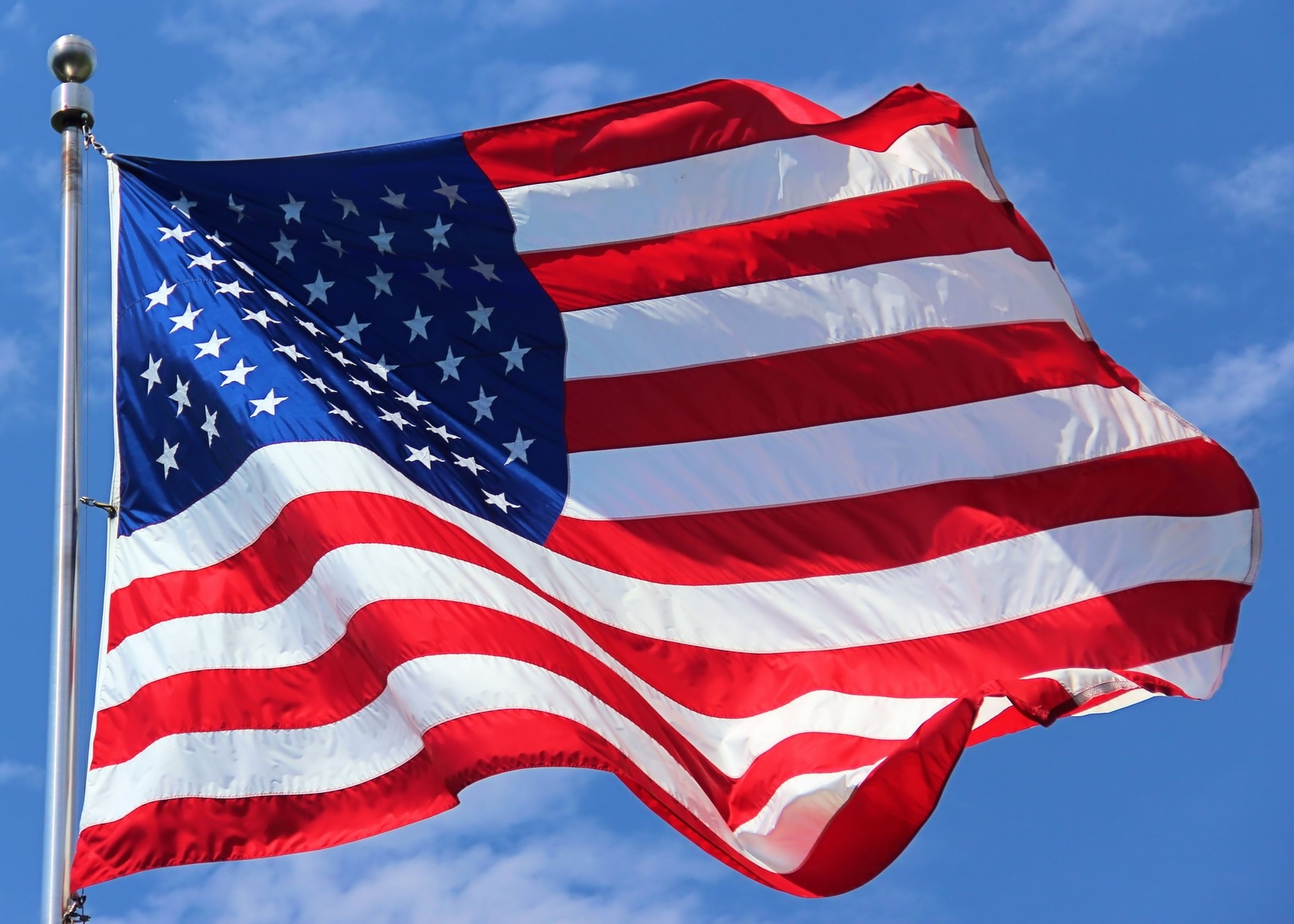
The USA should not be apologetic about controlling & leading the world militarily in the interest of establishing and running a ‘new huma


PCP need your support that we may provide you better services: click on donate


"Trial of Pakistani Christian Nation" By Nazir S Bhatti
On demand of our readers, I have decided to release E-Book version of "Trial of Pakistani Christian Nation" on website of PCP which can also be viewed on website of Pakistan Christian Congress www.pakistanchristiancongress.org . You can read chapter wise by clicking tab on left handside of PDF format of E-Book.