
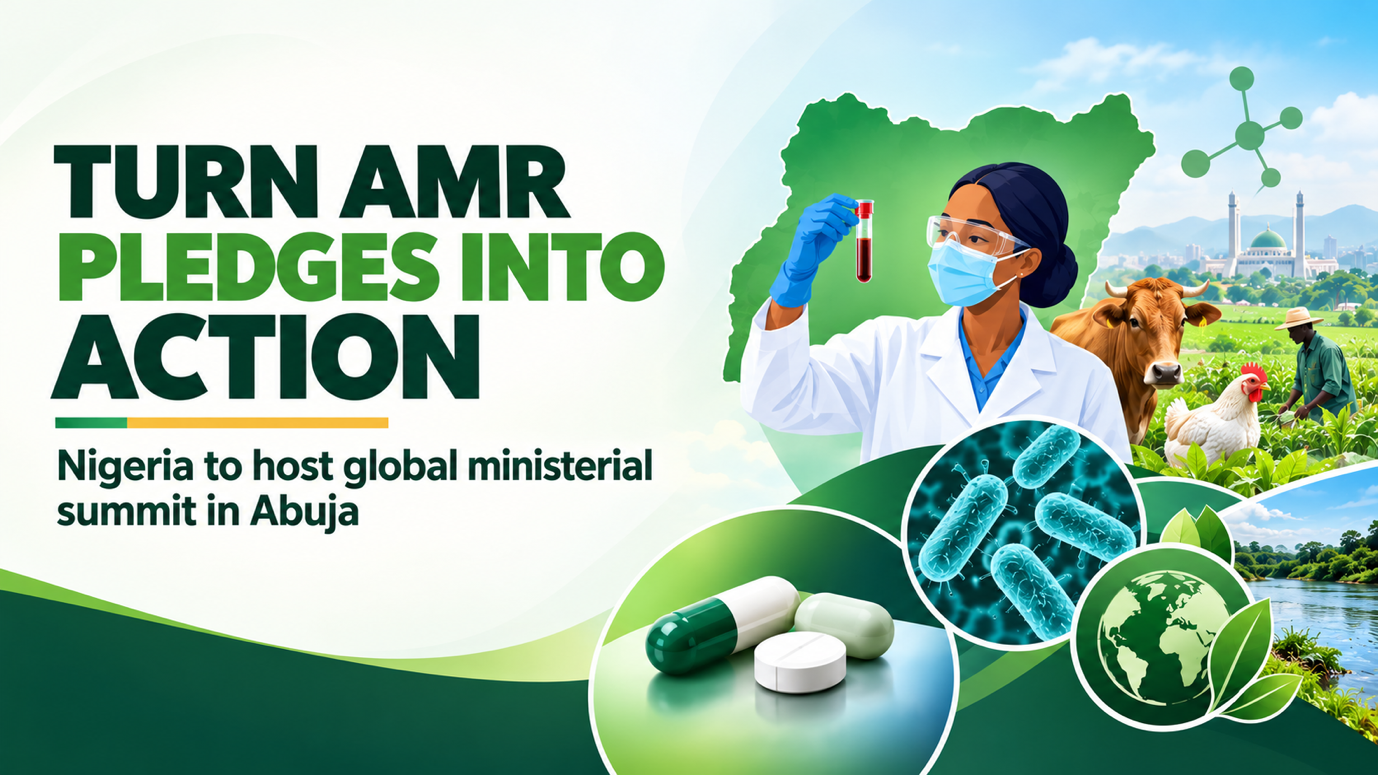
Nigeria is preparing to take centre-stage in the global fight against drug resistance or antimicrobial resistance (AMR), with the Federal Governmen
Pakistan at a Crossroads: Democracy, Security and the Future of South Asia. By Farooq Ganderbali:
Pakistan today stands at a defining moment in its history. A widely quoted saying observes, "Every country has an army, but in Pakistan, the army has a country." Whether one agrees with the phrase or not, it reflects a long-standing perception that Pakistan's military has exercised extraordinary influence over the country's political and strategic affairs. Since its independence, Pakistan has witnessed repeated military interventions, fragile civilian governments, institutional confrontations, and political instability that have shaped its national trajectory.
The country is now confronted with multiple crises simultaneously. Persistent political uncertainty, rising inflation, economic stagnation, unemployment, mounting public debt, and governance challenges have placed immense pressure on Pakistan's democratic institutions. These challenges have not only weakened public confidence but have also raised serious concerns about the country's long-term political and economic stability.
The terrorist attack in Pahalgam in 2025, which claimed the lives of 26 innocent civilians, was a grim reminder that terrorism remains one of the greatest threats to peace in South Asia. The attack was condemned across the world, and India subsequently launched Operation Sindoor, describing it as a targeted operation against terrorist infrastructure. The operation reinforced India's stated commitment to combating terrorism while safeguarding its national security and territorial integrity.
For the people of Jammu and Kashmir, peace remains the highest aspiration. Decades of terrorism and violence have caused immense human suffering and have slowed economic and social development. Significant investments in infrastructure, education, healthcare, tourism, road connectivity, and employment generation have strengthened hopes for lasting peace and prosperity. Many residents increasingly aspire to a future defined by stability, development, democratic participation, and greater opportunities for younger generations.
Political narratives surrounding Jammu and Kashmir, however, continue to remain contested. A large number of people across Indian Jammu and Kashmir actively participate in democratic processes, support peace and development, and identify their future with India's constitutional framework. At the same time, some regional political parties continue to project the existence of widespread separatist sentiment in the region. Critics argue that such narratives are often amplified for electoral and political considerations and do not necessarily reflect the aspirations of a substantial section of the population. As in any
democracy, public opinion in Jammu and Kashmir is diverse and cannot be reduced to a single political narrative.
Meanwhile, developments in Balochistan and Pakistan Occupied Kashmir have attracted growing international attention. Reports of protests, economic grievances, and demands for greater political rights highlight the importance of accountable governance, protection of civil liberties, and peaceful democratic engagement. Regardless of political differences, every government carries the responsibility of protecting the rights, dignity, and peaceful expression of its citizens.
Education remains one of the strongest pillars of national progress. Sustainable peace cannot be secured solely through military strength or security operations. It requires educational systems that promote scientific thinking, constitutional values, critical inquiry, tolerance, mutual respect, and coexistence. Nations become stronger when their youth are empowered with knowledge, opportunity, innovation, and respect for diversity rather than being influenced by hatred, radicalisation, or violent extremism.
The future of South Asia cannot be built upon perpetual hostility. Terrorism, radicalisation, poverty, unemployment, climate change, and economic inequality affect every nation in the region and demand collective responses. Lasting regional stability depends upon stronger democratic institutions, accountable governance, adherence to the rule of law, and meaningful cooperation among neighbouring countries.
History has repeatedly demonstrated that military power alone cannot guarantee national success. Strong democratic institutions, an independent judiciary, transparent governance, economic opportunity, quality education, respect for human rights, and inclusive development remain the enduring foundations of a prosperous nation.
Pakistan today stands at a crossroads. The choices it makes in strengthening democratic institutions, addressing economic challenges, confronting extremism, and respecting the aspirations of its citizens will shape not only its own future but also the stability of South Asia. Equally, the region must recognize that sustainable peace can never be achieved through violence or confrontation alone. The people of South Asia deserve a future defined by peace, prosperity, justice, cooperation, and shared development rather than fear, instability, and conflict. That remains the most important lesson emerging from Pakistan's present challenges.
The country is now confronted with multiple crises simultaneously. Persistent political uncertainty, rising inflation, economic stagnation, unemployment, mounting public debt, and governance challenges have placed immense pressure on Pakistan's democratic institutions. These challenges have not only weakened public confidence but have also raised serious concerns about the country's long-term political and economic stability.
The terrorist attack in Pahalgam in 2025, which claimed the lives of 26 innocent civilians, was a grim reminder that terrorism remains one of the greatest threats to peace in South Asia. The attack was condemned across the world, and India subsequently launched Operation Sindoor, describing it as a targeted operation against terrorist infrastructure. The operation reinforced India's stated commitment to combating terrorism while safeguarding its national security and territorial integrity.
For the people of Jammu and Kashmir, peace remains the highest aspiration. Decades of terrorism and violence have caused immense human suffering and have slowed economic and social development. Significant investments in infrastructure, education, healthcare, tourism, road connectivity, and employment generation have strengthened hopes for lasting peace and prosperity. Many residents increasingly aspire to a future defined by stability, development, democratic participation, and greater opportunities for younger generations.
Political narratives surrounding Jammu and Kashmir, however, continue to remain contested. A large number of people across Indian Jammu and Kashmir actively participate in democratic processes, support peace and development, and identify their future with India's constitutional framework. At the same time, some regional political parties continue to project the existence of widespread separatist sentiment in the region. Critics argue that such narratives are often amplified for electoral and political considerations and do not necessarily reflect the aspirations of a substantial section of the population. As in any
democracy, public opinion in Jammu and Kashmir is diverse and cannot be reduced to a single political narrative.
Meanwhile, developments in Balochistan and Pakistan Occupied Kashmir have attracted growing international attention. Reports of protests, economic grievances, and demands for greater political rights highlight the importance of accountable governance, protection of civil liberties, and peaceful democratic engagement. Regardless of political differences, every government carries the responsibility of protecting the rights, dignity, and peaceful expression of its citizens.
Education remains one of the strongest pillars of national progress. Sustainable peace cannot be secured solely through military strength or security operations. It requires educational systems that promote scientific thinking, constitutional values, critical inquiry, tolerance, mutual respect, and coexistence. Nations become stronger when their youth are empowered with knowledge, opportunity, innovation, and respect for diversity rather than being influenced by hatred, radicalisation, or violent extremism.
The future of South Asia cannot be built upon perpetual hostility. Terrorism, radicalisation, poverty, unemployment, climate change, and economic inequality affect every nation in the region and demand collective responses. Lasting regional stability depends upon stronger democratic institutions, accountable governance, adherence to the rule of law, and meaningful cooperation among neighbouring countries.
History has repeatedly demonstrated that military power alone cannot guarantee national success. Strong democratic institutions, an independent judiciary, transparent governance, economic opportunity, quality education, respect for human rights, and inclusive development remain the enduring foundations of a prosperous nation.
Pakistan today stands at a crossroads. The choices it makes in strengthening democratic institutions, addressing economic challenges, confronting extremism, and respecting the aspirations of its citizens will shape not only its own future but also the stability of South Asia. Equally, the region must recognize that sustainable peace can never be achieved through violence or confrontation alone. The people of South Asia deserve a future defined by peace, prosperity, justice, cooperation, and shared development rather than fear, instability, and conflict. That remains the most important lesson emerging from Pakistan's present challenges.
You May Also Like

History is a stern teacher, but nations that refuse to learn from its lessons are condemned to repeat its tragedies. The Muslim world, blessed with

The USA should not be apologetic about controlling & leading the world militarily in the interest of establishing and running a ‘new huma


PCP need your support that we may provide you better services: click on donate


"Trial of Pakistani Christian Nation" By Nazir S Bhatti
On demand of our readers, I have decided to release E-Book version of "Trial of Pakistani Christian Nation" on website of PCP which can also be viewed on website of Pakistan Christian Congress www.pakistanchristiancongress.org . You can read chapter wise by clicking tab on left handside of PDF format of E-Book.