

Nigeria is preparing to take centre-stage in the global fight against drug resistance or antimicrobial resistance (AMR), with the Federal Governmen
Kashmir’s Spiritual Renaissance: Faith, Unity and Religious Freedom Return. By Farooq Ganderbali
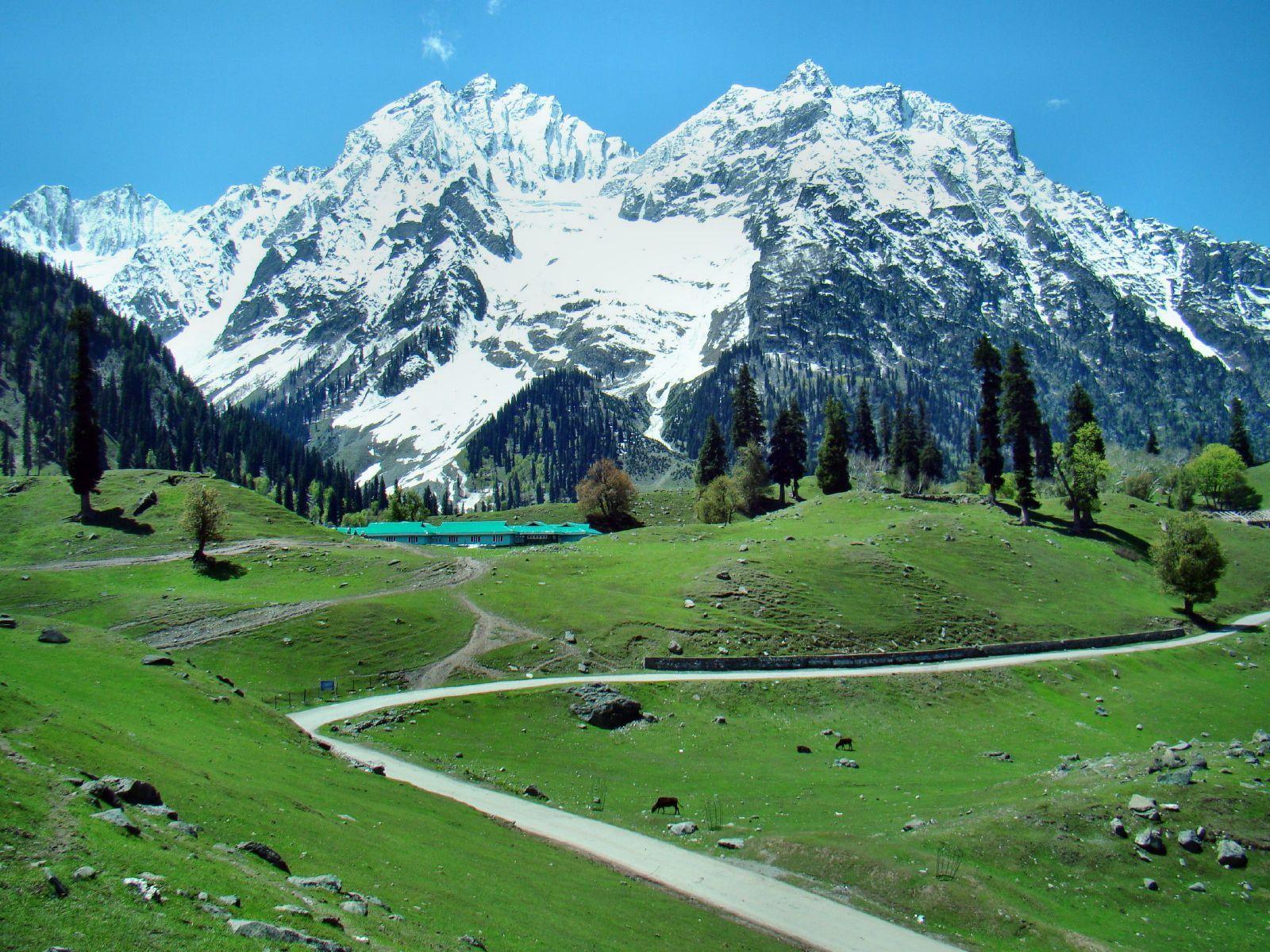
For centuries, Kashmir has been celebrated as a land of spirituality, Sufism and coexistence—a place where “Peer-Veer” traditions brought people of different faiths together. The Valley’s identity was never limited to one religion. Its spiritual landscape was enriched by Sufi saints, Hindu temples, Sikh gurdwaras and, in the wider J&K region, Buddhist monasteries. This shared heritage created a culture of mutual respect, brotherhood and religious harmony.
That tradition suffered a devastating setback after militancy erupted in Kashmir in 1989. Pakistan-sponsored terrorism and radicalism not only targeted innocent civilians but also attacked the social and cultural fabric of the Valley. Religious places, traditions, festivals and symbols of Kashmir’s pluralistic identity were caught in an atmosphere of fear and violence. The consequences were felt across communities, including Muslims, Kashmiri Pandits, Sikhs and others.
The period from 1989 to 2019 witnessed immense disruption. Kashmir’s centuries-old culture of coexistence was weakened, communities were displaced and the freedom to openly participate in religious and cultural life was severely affected.
In recent years, however, Kashmir has witnessed a visible revival of its religious and spiritual traditions. Following the changes of 2019, including the abrogation of Article 370, improvements in security, connectivity, infrastructure and administration have helped create an environment in which people can increasingly visit religious places, participate in festivals and express their faith with greater confidence.
One of the most striking examples is the Shri Amarnath Ji Yatra. From around 4824 pilgrims in 1990, the Yatra has grown to approximately 6.50 lakh pilgrims this year—a remarkable increase over more than six decades. Better infrastructure, security arrangements, transportation and facilities have helped make the pilgrimage accessible to a much larger number of devotees.
But Kashmir’s spiritual revival is not limited to the Amarnath Yatra.
The revered Dargah Hazratbal Shrine, the spiritual legacy of Hazratbal Makhdoom Sahib, Dastgeer Sahib, Khanqah-e-Moula and Charar-e-Sharief represent the deep roots of Kashmiri Sufism. Across the Valley, hundreds of small ziyarat sites and shrines remain an important part of everyday spiritual life. People from different backgrounds have historically visited these places with devotion and respect.
The Hindu spiritual heritage of Kashmir is equally significant. Mata Kheer Bhawani Temple at Tullamulla, the Shankaracharya Temple, ancient temples and other sacred sites represent the deep and ancient connection of Kashmiri Pandits with the land of Kashmir. The revival and continued visitation of these places are important not only for religious freedom but also for preserving Kashmir’s civilisational heritage.
Kashmir’s Sikh heritage also forms an important part of this shared spiritual landscape. Historic gurdwaras such as Gurdwara Chatti Padshahi in Srinagar stand as symbols of Sikh faith and the community’s longstanding connection with Kashmir. Sikh traditions have contributed to the Valley’s social and cultural diversity and remain an important part of its pluralistic identity.
The wider Jammu and Kashmir region also carries a rich Buddhist heritage, with historic Buddhist sites and traditions reflecting the region’s long history as a meeting point of different spiritual traditions.
This diversity is the real strength of Kashmir.
A Kashmiri Muslim visiting a Sufi shrine, a Kashmiri Pandit returning to Mata Kheer Bhawani, a Sikh devotee visiting a historic gurdwara, or pilgrims travelling to Shri Amarnath Ji—each represents the same fundamental principle: every citizen has the right to follow their faith and preserve their religious traditions with dignity and security.
Kashmir’s spiritual heritage teaches us that religious unity does not mean that everyone follows the same faith. It means respecting every faith while protecting the freedom of every individual to practice it.
The old Kashmir of Sufism, spirituality, Hindu-Muslim friendship and communal coexistence was badly damaged by decades of Pakistan sponsered terrorism, radicalism and fake propgunda. But that heritage was never completely destroyed. Today, the renewed movement of devotees towards shrines, temples, gurdwaras and other sacred places represents more than rising footfall—it represents a revival of confidence, cultural identity, religious freedom and social harmony.
The journey towards lasting peace is continuous. Kashmir must remain a place where Hazratbal and Kheer Bhawani, Makhdoom Sahib and Chatti Padshahi, Amarnath and countless other sacred places can all flourish side by side.
This is the Kashmir that generations inherited—a Kashmir where spirituality connects rather than divides, where faith inspires compassion rather than hatred, and where “Peer-Veer” remains a living symbol of religious unity and peaceful coexistence.
After decades of violence and fear, the return of pilgrims, devotees and families to their sacred places carries a powerful message: Kashmir’s pluralistic spiritual soul is alive, and peace, unity, development and religious freedom can once again become the foundation of its future.
That tradition suffered a devastating setback after militancy erupted in Kashmir in 1989. Pakistan-sponsored terrorism and radicalism not only targeted innocent civilians but also attacked the social and cultural fabric of the Valley. Religious places, traditions, festivals and symbols of Kashmir’s pluralistic identity were caught in an atmosphere of fear and violence. The consequences were felt across communities, including Muslims, Kashmiri Pandits, Sikhs and others.
The period from 1989 to 2019 witnessed immense disruption. Kashmir’s centuries-old culture of coexistence was weakened, communities were displaced and the freedom to openly participate in religious and cultural life was severely affected.
In recent years, however, Kashmir has witnessed a visible revival of its religious and spiritual traditions. Following the changes of 2019, including the abrogation of Article 370, improvements in security, connectivity, infrastructure and administration have helped create an environment in which people can increasingly visit religious places, participate in festivals and express their faith with greater confidence.
One of the most striking examples is the Shri Amarnath Ji Yatra. From around 4824 pilgrims in 1990, the Yatra has grown to approximately 6.50 lakh pilgrims this year—a remarkable increase over more than six decades. Better infrastructure, security arrangements, transportation and facilities have helped make the pilgrimage accessible to a much larger number of devotees.
But Kashmir’s spiritual revival is not limited to the Amarnath Yatra.
The revered Dargah Hazratbal Shrine, the spiritual legacy of Hazratbal Makhdoom Sahib, Dastgeer Sahib, Khanqah-e-Moula and Charar-e-Sharief represent the deep roots of Kashmiri Sufism. Across the Valley, hundreds of small ziyarat sites and shrines remain an important part of everyday spiritual life. People from different backgrounds have historically visited these places with devotion and respect.
The Hindu spiritual heritage of Kashmir is equally significant. Mata Kheer Bhawani Temple at Tullamulla, the Shankaracharya Temple, ancient temples and other sacred sites represent the deep and ancient connection of Kashmiri Pandits with the land of Kashmir. The revival and continued visitation of these places are important not only for religious freedom but also for preserving Kashmir’s civilisational heritage.
Kashmir’s Sikh heritage also forms an important part of this shared spiritual landscape. Historic gurdwaras such as Gurdwara Chatti Padshahi in Srinagar stand as symbols of Sikh faith and the community’s longstanding connection with Kashmir. Sikh traditions have contributed to the Valley’s social and cultural diversity and remain an important part of its pluralistic identity.
The wider Jammu and Kashmir region also carries a rich Buddhist heritage, with historic Buddhist sites and traditions reflecting the region’s long history as a meeting point of different spiritual traditions.
This diversity is the real strength of Kashmir.
A Kashmiri Muslim visiting a Sufi shrine, a Kashmiri Pandit returning to Mata Kheer Bhawani, a Sikh devotee visiting a historic gurdwara, or pilgrims travelling to Shri Amarnath Ji—each represents the same fundamental principle: every citizen has the right to follow their faith and preserve their religious traditions with dignity and security.
Kashmir’s spiritual heritage teaches us that religious unity does not mean that everyone follows the same faith. It means respecting every faith while protecting the freedom of every individual to practice it.
The old Kashmir of Sufism, spirituality, Hindu-Muslim friendship and communal coexistence was badly damaged by decades of Pakistan sponsered terrorism, radicalism and fake propgunda. But that heritage was never completely destroyed. Today, the renewed movement of devotees towards shrines, temples, gurdwaras and other sacred places represents more than rising footfall—it represents a revival of confidence, cultural identity, religious freedom and social harmony.
The journey towards lasting peace is continuous. Kashmir must remain a place where Hazratbal and Kheer Bhawani, Makhdoom Sahib and Chatti Padshahi, Amarnath and countless other sacred places can all flourish side by side.
This is the Kashmir that generations inherited—a Kashmir where spirituality connects rather than divides, where faith inspires compassion rather than hatred, and where “Peer-Veer” remains a living symbol of religious unity and peaceful coexistence.
After decades of violence and fear, the return of pilgrims, devotees and families to their sacred places carries a powerful message: Kashmir’s pluralistic spiritual soul is alive, and peace, unity, development and religious freedom can once again become the foundation of its future.
You May Also Like

History is a stern teacher, but nations that refuse to learn from its lessons are condemned to repeat its tragedies. The Muslim world, blessed with

The USA should not be apologetic about controlling & leading the world militarily in the interest of establishing and running a ‘new huma


PCP need your support that we may provide you better services: click on donate


"Trial of Pakistani Christian Nation" By Nazir S Bhatti
On demand of our readers, I have decided to release E-Book version of "Trial of Pakistani Christian Nation" on website of PCP which can also be viewed on website of Pakistan Christian Congress www.pakistanchristiancongress.org . You can read chapter wise by clicking tab on left handside of PDF format of E-Book.