

Nigeria is preparing to take centre-stage in the global fight against drug resistance or antimicrobial resistance (AMR), with the Federal Governmen
Zolghadr’s Ouster Suggests That The Islamic Republic Is Finding Its Postwar Footing. By Shay Khatiri (MEF)
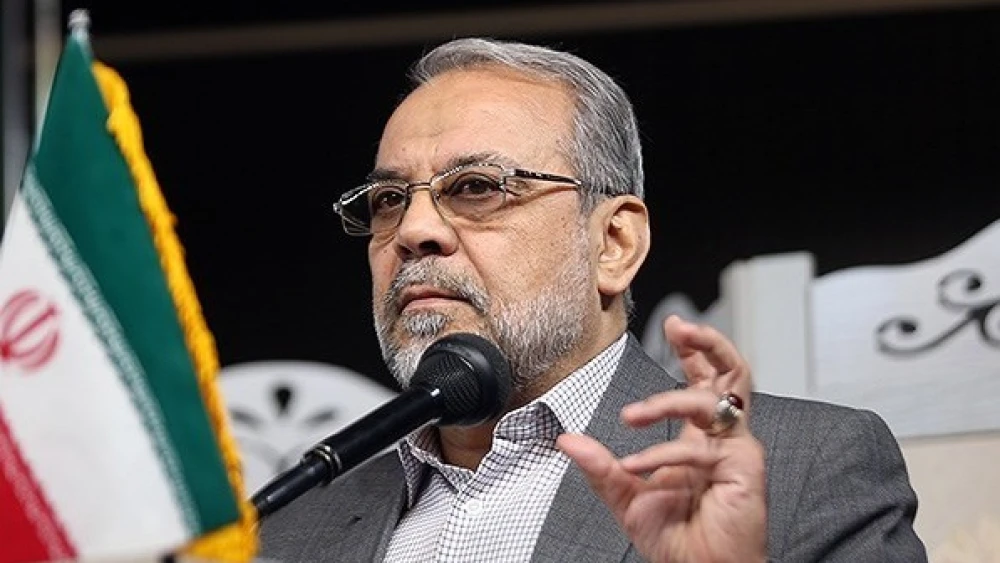
Mohammad Bagher Zolghadr, secretary of the Supreme National Security Council, headed the Islamic Revolutionary Guard Corps’ irregular warfare division.
Mohammad Bagher Zolghadr was replaced as secretary of the Supreme National Security Council.Tasnim News Agency, CC BY 4.0, via Wikimedia Commons
Mohsen Rezaei has replaced Mohammad Bagher Zolghadr as the new secretary of the Supreme National Security Council of the Islamic Republic of Iran. Zolghadr assumed the position after his predecessor, Ali Larijani, died in a March 17, 2026, targeted strike.
The secretary is the most important position in the Supreme National Security Council. His task is forging consensus over foreign policy and overseeing its execution.
The Islamic Republic prioritizes collective wisdom. Actors make policy decisions in the councils—the Expediency and the Supreme National Security Council being most prominent. The secretary is the most important position in the Supreme National Security Council. His task is forging consensus over foreign policy and overseeing its execution. While, in theory, he is a presidential appointment, in practice, the supreme leader must approve. Even when the president manages to force the secretary’s ouster, he will seldom fade away. Former President Mahmoud Ahmadinejad, for example, maneuvered to force Ali Larijani out during his first stint to replace him with dogmatic hardliner Saeed Jalili. Ebrahim Raisi did the same when he leaked stories about Ali Shamkhani’s corruption. With Ali Khamenei’s backing, Larijani became the speaker of the parliament as a consolation, where he wrestled with Ahmadinejad. Khamenei appointed Shamkhani as an adviser, the position he held until a strike during the war killed him.
Zolghadr’s promotion was an odd choice. He had extensive ties to the Islamic Revolutionary Guard Corps, but he primarily had been involved with domestic suppression over the past two decades. He rarely made public comments during his brief tenure, and he leaves his position likely because he was out of step with the rest of the council, including President Masoud Pezeshkian. Supreme Leader Mojtaba Khamenei, however, immediately appointed him to be his political adviser.
Zolghadr and Pezeshkian have been at odds for some time. Events accelerated last week. On August 3, 2026, a video circulated online in which Mohammad Bagher Kharrazi, an extremist cleric even by regime standards and an in-law of Mojtaba Khamenei, claimed that Pezeshkian had offered his resignation to the supreme leader multiple times, and that Khamenei would accept it the next time.
On August 6, 2026, reports circulated that Zolghadr had resigned, and Mohsen Rezaei and Mostafa Pourmohammadi were the candidates to replace him. Both, unlike Zolghadr, are high-profile insiders. Answering a journalist’s question, Pezeshkian said, “There have been disagreements, but we are working to resolve them.”
On August 8, Zolghadr issued a statement, widely reported in American media, making six demands to reopen the Strait of Hormuz, including paying reparations, complicating U.S. approval of an agreement with Oman over the Strait of Hormuz. Initially, it appeared that his resignation ploy had worked to strengthen his position but, a day later, he was out of a job.
On August 9, Pezeshkian supposedly met with Khamenei for the first time since Mojtaba’s elevation. Hours later, Pezeshkian dismissed Zolghadr. This episode did not happen in a vacuum. There has been turmoil within the regime in recent weeks. Jalili, who controls “the streets,” tried to stop the June 2026 Memorandum of Understanding, despite its favorable terms to the regime. He was the sole vote against it at the Supreme National Security Council; the secretary does not have voting privileges, making Zolghdar’s position unknown. His supporters held demonstrations protesting the agreement—being loyal regime supporters, the regime cannot repress them like anti-regime protesters, though eventually the regime banned Jalili’s Paydari supporters from appearing in nighttime political gatherings. Paydari means resistance. The movement favors war for its own sake, rather than in pursuit of an attainable political objective.
Paydari affiliate Peyman Jebeli runs the state radio and television, and he has come under pressure for censoring Pezeshkian’s and Speaker of the Parliament Mohammad Bagher Ghalibaf’s live remarks on different occasions. Both men favored negotiations to end the war. Jebeli also used his position to discredit talks with the United States. Pezeshkian has confronted Jebeli in private, and there are rumors that he, too, might be on his way out.
These changes are a sign that the regime is coalescing into one nucleus, and the old guard is reaffirming itself.
Rezaei is the former commander of the Islamic Revolutionary Guard Corps who then turned to civilian politics. He is under Interpol indictment for his role in the 1994 bombing of the Jewish community center in Buenos Aires, making international travel a challenge. His value is political maneuvering, something at which Zolghadr and Jalili proved deficient.
These changes are a sign that the regime is coalescing into one nucleus, and the old guard is reaffirming itself. They are sidelining the dogmatic operatives, notably the Paydari, for their imprudence. By all accounts, the regime continues to aspire to become a great power, but, unlike Zolghadr and Jalili, the old guard seeks room to breathe and rearm. Just because the United States is short on munitions does not mean that Iran’s capabilities are not degraded, domestic order is not a concern, or the economy is in good shape. Likely, Iran is seeking calm so it can enjoy its perceived victory.
Zolghadr’s appointment to become Khamenei’s political adviser and Jalili’s continued service at the Supreme National Security Council as Khamenei’s sole representative, however, suggest that the new supreme leader, or those acting on his behalf, sympathizes with the dogmatic hardliners, even if he seeks more caution in regime tactics.
Shay Khatiri
Shay Khatiri is a researcher at CAMERA, a senior fellow at the Yorktown Institute, and a fellow at the Rainey Center.
Mohammad Bagher Zolghadr was replaced as secretary of the Supreme National Security Council.Tasnim News Agency, CC BY 4.0, via Wikimedia Commons
Mohsen Rezaei has replaced Mohammad Bagher Zolghadr as the new secretary of the Supreme National Security Council of the Islamic Republic of Iran. Zolghadr assumed the position after his predecessor, Ali Larijani, died in a March 17, 2026, targeted strike.
The secretary is the most important position in the Supreme National Security Council. His task is forging consensus over foreign policy and overseeing its execution.
The Islamic Republic prioritizes collective wisdom. Actors make policy decisions in the councils—the Expediency and the Supreme National Security Council being most prominent. The secretary is the most important position in the Supreme National Security Council. His task is forging consensus over foreign policy and overseeing its execution. While, in theory, he is a presidential appointment, in practice, the supreme leader must approve. Even when the president manages to force the secretary’s ouster, he will seldom fade away. Former President Mahmoud Ahmadinejad, for example, maneuvered to force Ali Larijani out during his first stint to replace him with dogmatic hardliner Saeed Jalili. Ebrahim Raisi did the same when he leaked stories about Ali Shamkhani’s corruption. With Ali Khamenei’s backing, Larijani became the speaker of the parliament as a consolation, where he wrestled with Ahmadinejad. Khamenei appointed Shamkhani as an adviser, the position he held until a strike during the war killed him.
Zolghadr’s promotion was an odd choice. He had extensive ties to the Islamic Revolutionary Guard Corps, but he primarily had been involved with domestic suppression over the past two decades. He rarely made public comments during his brief tenure, and he leaves his position likely because he was out of step with the rest of the council, including President Masoud Pezeshkian. Supreme Leader Mojtaba Khamenei, however, immediately appointed him to be his political adviser.
Zolghadr and Pezeshkian have been at odds for some time. Events accelerated last week. On August 3, 2026, a video circulated online in which Mohammad Bagher Kharrazi, an extremist cleric even by regime standards and an in-law of Mojtaba Khamenei, claimed that Pezeshkian had offered his resignation to the supreme leader multiple times, and that Khamenei would accept it the next time.
On August 6, 2026, reports circulated that Zolghadr had resigned, and Mohsen Rezaei and Mostafa Pourmohammadi were the candidates to replace him. Both, unlike Zolghadr, are high-profile insiders. Answering a journalist’s question, Pezeshkian said, “There have been disagreements, but we are working to resolve them.”
On August 8, Zolghadr issued a statement, widely reported in American media, making six demands to reopen the Strait of Hormuz, including paying reparations, complicating U.S. approval of an agreement with Oman over the Strait of Hormuz. Initially, it appeared that his resignation ploy had worked to strengthen his position but, a day later, he was out of a job.
On August 9, Pezeshkian supposedly met with Khamenei for the first time since Mojtaba’s elevation. Hours later, Pezeshkian dismissed Zolghadr. This episode did not happen in a vacuum. There has been turmoil within the regime in recent weeks. Jalili, who controls “the streets,” tried to stop the June 2026 Memorandum of Understanding, despite its favorable terms to the regime. He was the sole vote against it at the Supreme National Security Council; the secretary does not have voting privileges, making Zolghdar’s position unknown. His supporters held demonstrations protesting the agreement—being loyal regime supporters, the regime cannot repress them like anti-regime protesters, though eventually the regime banned Jalili’s Paydari supporters from appearing in nighttime political gatherings. Paydari means resistance. The movement favors war for its own sake, rather than in pursuit of an attainable political objective.
Paydari affiliate Peyman Jebeli runs the state radio and television, and he has come under pressure for censoring Pezeshkian’s and Speaker of the Parliament Mohammad Bagher Ghalibaf’s live remarks on different occasions. Both men favored negotiations to end the war. Jebeli also used his position to discredit talks with the United States. Pezeshkian has confronted Jebeli in private, and there are rumors that he, too, might be on his way out.
These changes are a sign that the regime is coalescing into one nucleus, and the old guard is reaffirming itself.
Rezaei is the former commander of the Islamic Revolutionary Guard Corps who then turned to civilian politics. He is under Interpol indictment for his role in the 1994 bombing of the Jewish community center in Buenos Aires, making international travel a challenge. His value is political maneuvering, something at which Zolghadr and Jalili proved deficient.
These changes are a sign that the regime is coalescing into one nucleus, and the old guard is reaffirming itself. They are sidelining the dogmatic operatives, notably the Paydari, for their imprudence. By all accounts, the regime continues to aspire to become a great power, but, unlike Zolghadr and Jalili, the old guard seeks room to breathe and rearm. Just because the United States is short on munitions does not mean that Iran’s capabilities are not degraded, domestic order is not a concern, or the economy is in good shape. Likely, Iran is seeking calm so it can enjoy its perceived victory.
Zolghadr’s appointment to become Khamenei’s political adviser and Jalili’s continued service at the Supreme National Security Council as Khamenei’s sole representative, however, suggest that the new supreme leader, or those acting on his behalf, sympathizes with the dogmatic hardliners, even if he seeks more caution in regime tactics.
Shay Khatiri
Shay Khatiri is a researcher at CAMERA, a senior fellow at the Yorktown Institute, and a fellow at the Rainey Center.
You May Also Like
History is a stern teacher, but nations that refuse to learn from its lessons are condemned to repeat its tragedies. The Muslim world, blessed with

The USA should not be apologetic about controlling & leading the world militarily in the interest of establishing and running a ‘new huma


PCP need your support that we may provide you better services: click on donate


"Trial of Pakistani Christian Nation" By Nazir S Bhatti
On demand of our readers, I have decided to release E-Book version of "Trial of Pakistani Christian Nation" on website of PCP which can also be viewed on website of Pakistan Christian Congress www.pakistanchristiancongress.org . You can read chapter wise by clicking tab on left handside of PDF format of E-Book.