
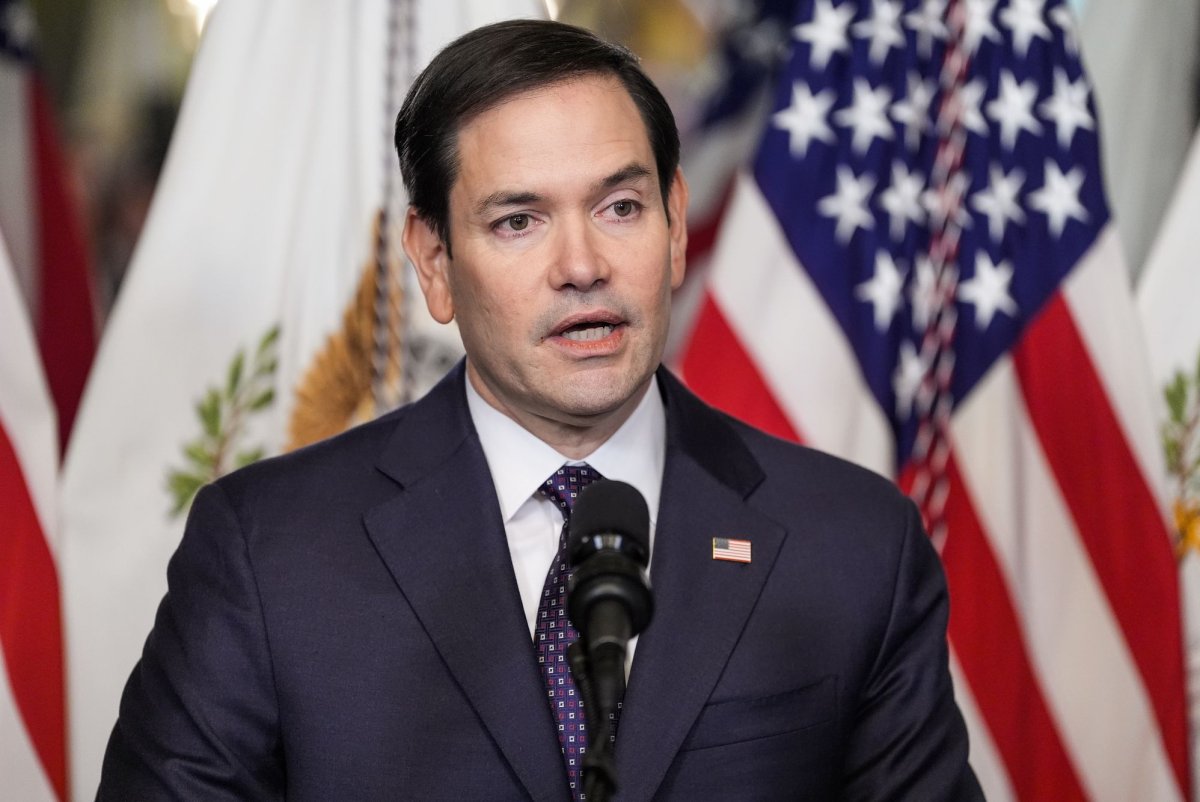
This refers to Secretary Rubio’s forthcoming visit to India which has triggered happy talks and good-wishes among commentators in Indian medi
Yasin Malik and the Conscience of Kashmir: A Time for Unity. By Dr. Ghulam Nabi Fai
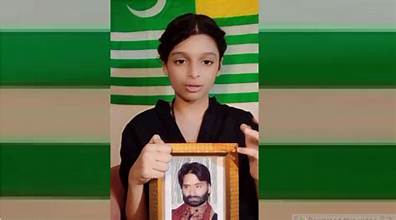
There are moments in the life of a nation when politics must give way to conscience. For Kashmir, this is one of those moments. Throughout history, countless leaders have devoted their lives to the causes they believed in. They have sacrificed their freedom, their families, their careers and, sometimes, their lives. Among Kashmir's political figures, Mohammad Yasin Malik occupies a deeply significant and remarkable place.
My admiration for Yasin Malik is not based simply on friendship or personal association. It comes from my assessment of his character, his commitment and, above all, his faith in Allah.
His recent 25-page affidavit, regardless of one's political position, deserves to be read carefully—not simply as a legal document, but as the statement of a man confronting what he believes may be the final chapter of his life. That is why his words should concern every person in Kashmir.
In the affidavit, Yasin Malik disputes the allegations against him, including the allegation concerning the killing of Sarla Bhat on April 19, 1990. He argues that the prosecution's narrative was constructed decades later to falsely implicate him.
He also raises a question about his treatment by India's security and political establishment following his release in 2000. According to his affidavit, Ajit Kumar Doval, then a senior Intelligence Bureau official, arranged meetings involving IB Director Shyamal Dutta and Brijesh Mishra, then National Security Adviser to Prime Minister Atal Bihari Vajpayee. Malik states that he was told that Vajpayee wanted a “healthy Yasin Malik at peace and dialogue table.”
He further says he was issued a passport to travel to the United States and United Kingdom for medical treatment. While in Washington, D.C., he states that an Indian Embassy official informed him that Prime Minister Vajpayee had sanctioned $35,000 toward his medical treatment—an offer he says he respectfully declined. These are serious assertions. They should be examined seriously.
Yasin Malik's argument is essentially this: if the Indian state possessed evidence connecting him to a murder in 1990, why would senior security officials and, according to his account, the prime minister himself subsequently engages with him and facilitate his medical treatment and international travel? Yasin Malik concludes that, in his understanding, the present proceedings arose from political circumstances and that he has been falsely implicated.
For me, however, the most powerful part of the affidavit is not its political argument. It is the human being revealed in its pages.
Imagine being confined to a cell while believing that the possibility of death is approaching. What would you say to your mother? What would you say to your daughter? What would you say to your wife? And what would you say to Allah? Yasin Malik's answers are deeply personal.
He speaks to his mother about the immense suffering she has endured — years of separation, pain and hardship. He prays that her suffering will end and that she will find peace, strength and dignity.
He then addresses his 13-year-old daughter, Razia Sultana. He writes of carrying her memories with him while confined to his cell and describes having only himself and her photograph in his death cell. Through her photograph, he says, he feels her presence. He asks her to call her grandmother so that she can feel the love, affection and support of her granddaughter during those difficult days.
Then he turns to his wife, Mushaal Malik. He tells her that she is 20 years younger than him and that he does not want her to spend the rest of her life carrying the burden of his circumstances or living as a widow. He asks her to find the courage to begin a new chapter of her life with dignity and hope. Whatever one's political views, it is difficult to read these words without seeing the enormous human cost behind the politics.
Perhaps the most striking part of the affidavit is Yasin Malik's reliance upon his faith. He says he sought guidance from Allah through Istikhara prayer and decided not to contest the trial proceedings further. He makes clear that this decision should not be interpreted as an admission of guilt or acceptance of the prosecution's allegations.
Then comes the sentence that should make everyone stop and think: “I request for capital punishment.”
A man facing the possibility of death is asking the court for the ultimate punishment. One may interpret those words differently. But whatever one's interpretation, they demonstrate the extraordinary psychological and spiritual weight of the moment. Yasin Malik says he is not leaving his affidavit as a plea for sympathy or an appeal for mercy. He calls it his “final statement of conscience.”
At the conclusion, he submits himself to Allah and says that he has spoken, placed on record the truth as he knows it, and left the rest to the Almighty. At that point, this is no longer merely a story about Yasin Malik. It becomes a story about Kashmir.
If these words do not make Kashmir pause, what will? For years, we have watched Kashmiris turn against one another. We have allowed political differences to become personal hostility. We have increasingly used labels such as sahulatkar—agent or collaborator — to silence or discredit those with whom we disagree. How long can this continue?
A people divided against themselves cannot pursue any common cause with strength. This does not mean that every Kashmiri must agree with Yasin Malik. It does not mean that political disagreements should disappear. Nor does it mean that anyone should surrender his or her right to question political leadership. Unity does not mean uniformity. Unity means having the maturity to disagree without destroying one another.
It means debating strategies without questioning another person's humanity. It means recognizing that political differences do not automatically make one Kashmiri an enemy of another. And it means understanding that the future of Kashmir cannot be secured through endless internal division.
Yasin Malik's political choices will continue to be debated, and history will ultimately judge them. But his present circumstances should compel the people of kashmir and global Kashmiri diaspora to ask itself a more important question: Can we put aside our personal rivalries and stand together on matters of dignity, justice and the future of our people?
If one man believes he is prepared to face the ultimate sacrifice for his convictions, perhaps the rest of us can sacrifice something far less costly — our egos, our grudges and our habit of accusing one another.
This is not a call for blind allegiance to an individual. It is a call for something bigger. Let us disagree without hatred. Let us debate without dehumanizing one another. Let us defend our principles without abandoning our humanity. And let us unite where the future of Kashmir demands unity.
The international community should also pay attention to Yasin Malik's case. We hope that governments and international institutions will examine the circumstances surrounding his case and use every lawful and diplomatic avenue available to seek a just resolution and protect human life.
But regardless of what happens in the courtroom, another judgment is already before us. It is the judgment of history. And it is the judgment of our own conscience. Yasin Malik says he has spoken. He says he has placed on record the truth as he knows it. And he leaves the rest to Allah.
Now the people of Kashmir and global Kashmiri diaspora must answer their own question: Will we continue to divide ourselves — or will we finally find the courage to stand together? The time for unity is not tomorrow. The time is now.
May Allah guide us toward wisdom, justice and peace! Ameen.
(Dr. Ghulam Nabi Fai can be reached at: WhatsApp: 1-202-607-6435 gnfai2003@yahoo.com)
My admiration for Yasin Malik is not based simply on friendship or personal association. It comes from my assessment of his character, his commitment and, above all, his faith in Allah.
His recent 25-page affidavit, regardless of one's political position, deserves to be read carefully—not simply as a legal document, but as the statement of a man confronting what he believes may be the final chapter of his life. That is why his words should concern every person in Kashmir.
In the affidavit, Yasin Malik disputes the allegations against him, including the allegation concerning the killing of Sarla Bhat on April 19, 1990. He argues that the prosecution's narrative was constructed decades later to falsely implicate him.
He also raises a question about his treatment by India's security and political establishment following his release in 2000. According to his affidavit, Ajit Kumar Doval, then a senior Intelligence Bureau official, arranged meetings involving IB Director Shyamal Dutta and Brijesh Mishra, then National Security Adviser to Prime Minister Atal Bihari Vajpayee. Malik states that he was told that Vajpayee wanted a “healthy Yasin Malik at peace and dialogue table.”
He further says he was issued a passport to travel to the United States and United Kingdom for medical treatment. While in Washington, D.C., he states that an Indian Embassy official informed him that Prime Minister Vajpayee had sanctioned $35,000 toward his medical treatment—an offer he says he respectfully declined. These are serious assertions. They should be examined seriously.
Yasin Malik's argument is essentially this: if the Indian state possessed evidence connecting him to a murder in 1990, why would senior security officials and, according to his account, the prime minister himself subsequently engages with him and facilitate his medical treatment and international travel? Yasin Malik concludes that, in his understanding, the present proceedings arose from political circumstances and that he has been falsely implicated.
For me, however, the most powerful part of the affidavit is not its political argument. It is the human being revealed in its pages.
Imagine being confined to a cell while believing that the possibility of death is approaching. What would you say to your mother? What would you say to your daughter? What would you say to your wife? And what would you say to Allah? Yasin Malik's answers are deeply personal.
He speaks to his mother about the immense suffering she has endured — years of separation, pain and hardship. He prays that her suffering will end and that she will find peace, strength and dignity.
He then addresses his 13-year-old daughter, Razia Sultana. He writes of carrying her memories with him while confined to his cell and describes having only himself and her photograph in his death cell. Through her photograph, he says, he feels her presence. He asks her to call her grandmother so that she can feel the love, affection and support of her granddaughter during those difficult days.
Then he turns to his wife, Mushaal Malik. He tells her that she is 20 years younger than him and that he does not want her to spend the rest of her life carrying the burden of his circumstances or living as a widow. He asks her to find the courage to begin a new chapter of her life with dignity and hope. Whatever one's political views, it is difficult to read these words without seeing the enormous human cost behind the politics.
Perhaps the most striking part of the affidavit is Yasin Malik's reliance upon his faith. He says he sought guidance from Allah through Istikhara prayer and decided not to contest the trial proceedings further. He makes clear that this decision should not be interpreted as an admission of guilt or acceptance of the prosecution's allegations.
Then comes the sentence that should make everyone stop and think: “I request for capital punishment.”
A man facing the possibility of death is asking the court for the ultimate punishment. One may interpret those words differently. But whatever one's interpretation, they demonstrate the extraordinary psychological and spiritual weight of the moment. Yasin Malik says he is not leaving his affidavit as a plea for sympathy or an appeal for mercy. He calls it his “final statement of conscience.”
At the conclusion, he submits himself to Allah and says that he has spoken, placed on record the truth as he knows it, and left the rest to the Almighty. At that point, this is no longer merely a story about Yasin Malik. It becomes a story about Kashmir.
If these words do not make Kashmir pause, what will? For years, we have watched Kashmiris turn against one another. We have allowed political differences to become personal hostility. We have increasingly used labels such as sahulatkar—agent or collaborator — to silence or discredit those with whom we disagree. How long can this continue?
A people divided against themselves cannot pursue any common cause with strength. This does not mean that every Kashmiri must agree with Yasin Malik. It does not mean that political disagreements should disappear. Nor does it mean that anyone should surrender his or her right to question political leadership. Unity does not mean uniformity. Unity means having the maturity to disagree without destroying one another.
It means debating strategies without questioning another person's humanity. It means recognizing that political differences do not automatically make one Kashmiri an enemy of another. And it means understanding that the future of Kashmir cannot be secured through endless internal division.
Yasin Malik's political choices will continue to be debated, and history will ultimately judge them. But his present circumstances should compel the people of kashmir and global Kashmiri diaspora to ask itself a more important question: Can we put aside our personal rivalries and stand together on matters of dignity, justice and the future of our people?
If one man believes he is prepared to face the ultimate sacrifice for his convictions, perhaps the rest of us can sacrifice something far less costly — our egos, our grudges and our habit of accusing one another.
This is not a call for blind allegiance to an individual. It is a call for something bigger. Let us disagree without hatred. Let us debate without dehumanizing one another. Let us defend our principles without abandoning our humanity. And let us unite where the future of Kashmir demands unity.
The international community should also pay attention to Yasin Malik's case. We hope that governments and international institutions will examine the circumstances surrounding his case and use every lawful and diplomatic avenue available to seek a just resolution and protect human life.
But regardless of what happens in the courtroom, another judgment is already before us. It is the judgment of history. And it is the judgment of our own conscience. Yasin Malik says he has spoken. He says he has placed on record the truth as he knows it. And he leaves the rest to Allah.
Now the people of Kashmir and global Kashmiri diaspora must answer their own question: Will we continue to divide ourselves — or will we finally find the courage to stand together? The time for unity is not tomorrow. The time is now.
May Allah guide us toward wisdom, justice and peace! Ameen.
(Dr. Ghulam Nabi Fai can be reached at: WhatsApp: 1-202-607-6435 gnfai2003@yahoo.com)
You May Also Like
India is arguably the oldest civilization of the world but it is difficult to believe that how such a vast civilization was invaded and ruled by fo

Jammu & Kashmir is moving forward with a new spirit of hope, confidence and ambition. Today, the youth of Kashmir are making their mark in spor


PCP need your support that we may provide you better services: click on donate


"Trial of Pakistani Christian Nation" By Nazir S Bhatti
On demand of our readers, I have decided to release E-Book version of "Trial of Pakistani Christian Nation" on website of PCP which can also be viewed on website of Pakistan Christian Congress www.pakistanchristiancongress.org . You can read chapter wise by clicking tab on left handside of PDF format of E-Book.