
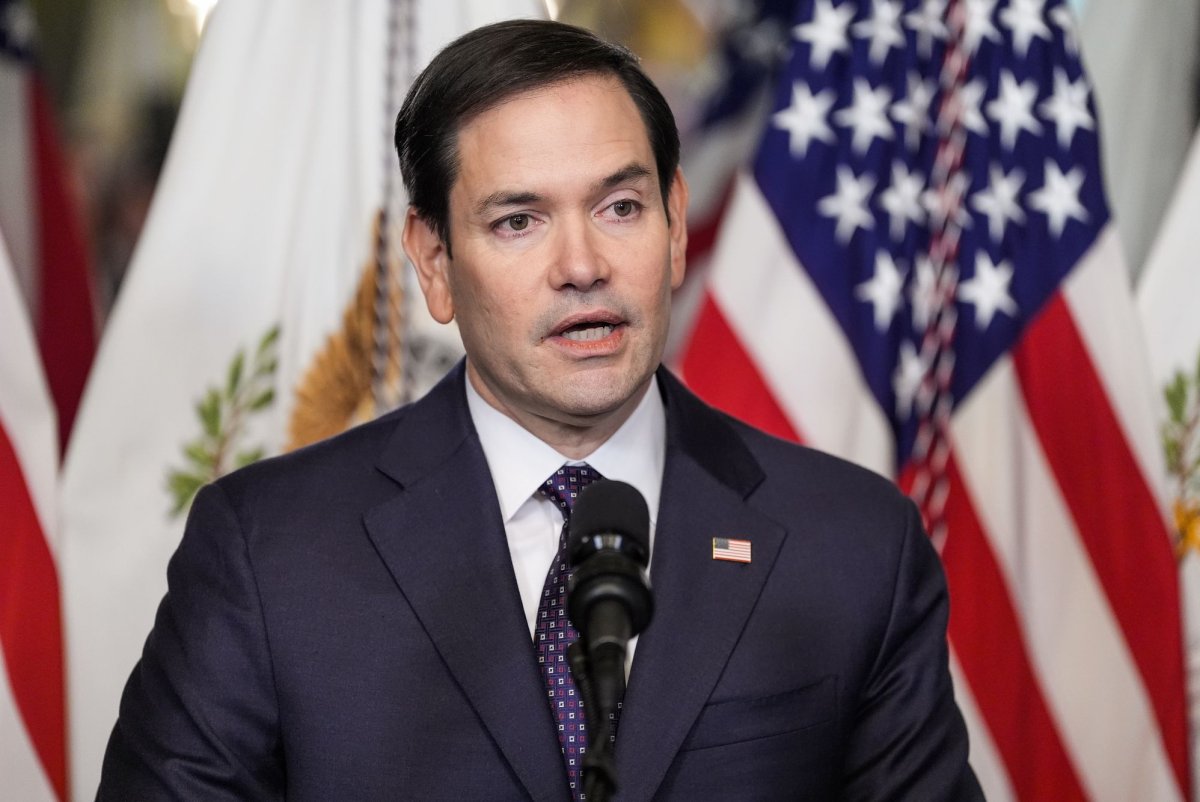
This refers to Secretary Rubio’s forthcoming visit to India which has triggered happy talks and good-wishes among commentators in Indian medi
Beyond Propaganda: The Real Story of Jammu & Kashmir and Pakistan-Occupied Kashmir. By y Farooq Ganderbali
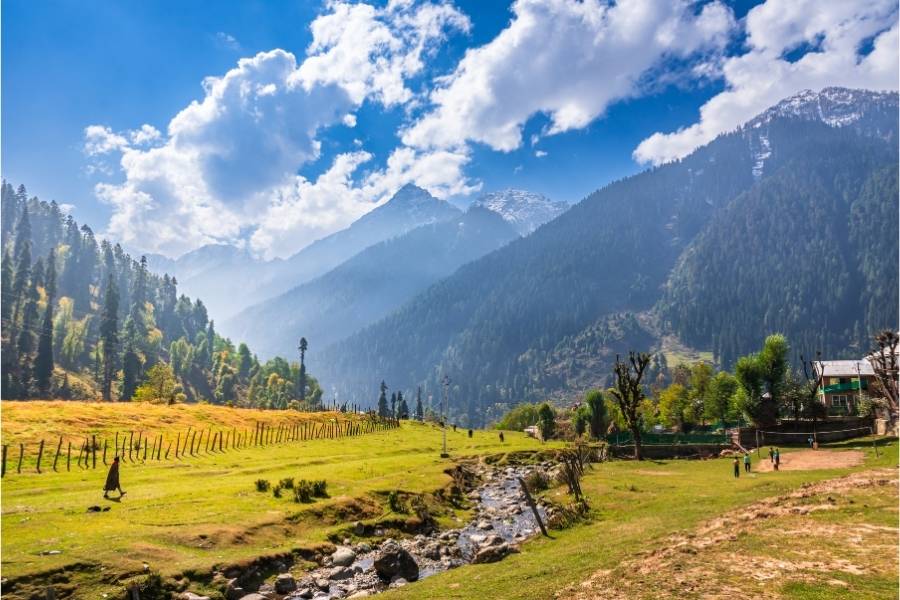
The election of Barrister Iftikhar Ali Gillani as the so-called Prime Minister of Pakistan-occupied Jammu & Kashmir (PoJK) should not be mistaken for a solution to the region's deepening crisis. Changing the person sitting in the Prime Minister’s chair does not change the lives of ordinary people standing in protest on the streets. The people of PoJK are not demanding another political title. They are demanding the essentials of a dignified life—justice, freedom, reliable electricity, affordable food, healthcare, education, employment and accountable government.
That is the uncomfortable reality Pakistan cannot hide behind elections, political speeches or Kashmir propaganda.
If another election and another Prime Minister were enough to solve PoJK's problems, why would ordinary citizens continue to protest for electricity, food, healthcare, education and justice? A government should be judged not by the title of its leader, but by the condition of its people.
The protests in PoJK therefore deserve to be taken seriously. They represent citizens demanding answers from those who govern them. Their grievances cannot simply be dismissed as propaganda or blamed on outside forces. When people take to the streets asking for basic necessities, their voices deserve to be heard.
Pakistan has spent decades presenting itself as the champion of Kashmir while simultaneously using the Kashmir issue to justify confrontation with India. Pakistan-sponsored terrorism, extremist networks, radicalisation and anti-India propaganda have caused immense suffering across the region. This strategy has not delivered freedom or prosperity to the people of PoJK. Instead, it has contributed to instability while ordinary families continue to struggle with basic economic and social problems.
Kashmir does not need more guns, militant propaganda or political slogans. Kashmir needs schools, hospitals, electricity, jobs, roads and peace.
The contrast with Jammu & Kashmir in India is increasingly visible.
People in Jammu & Kashmir are participating in India's democratic system while witnessing expanding investment in infrastructure, education, healthcare, tourism, sports and connectivity. Universities, medical institutions, hospitals, improved roads and new opportunities for young people are contributing to a changing economic and social landscape.
Women are increasingly participating in education, employment, entrepreneurship and public life. Tourism is creating livelihoods and bringing visitors from across India and around the world. Young people are finding opportunities in higher education, sports, technology and business.
Jammu & Kashmir still has challenges, and responsible development requires acknowledging them. But the direction is clear: from violence toward development, from fear toward opportunity and from isolation toward connectivity.
This is precisely why Pakistan-sponsored propaganda is losing its power. Facts on the ground are more powerful than social-media narratives.
Kashmir's cultural identity is also far greater than the extremist narratives promoted by those seeking to divide it. The region's centuries-old traditions of Sufism, spirituality and coexistence belong to a rich and diverse civilisational heritage. Terrorism and religious extremism cannot be allowed to define Kashmir.
The history of 22 October 1947, when Pakistan-backed tribal forces invaded Jammu & Kashmir, must also be remembered. The invasion brought death, violence, displacement and destruction to innocent people. That history remains an important part of Kashmir's collective memory.
But Kashmir's future should not remain trapped in the conflicts of the past.
The youth of Jammu & Kashmir deserve books, universities, hospitals, businesses, sports grounds and careers—not guns, terrorism or extremist propaganda.
And the people of PoJK deserve exactly the same opportunities.
Pakistan should stop treating Kashmir as a permanent battlefield and start treating its people as citizens whose welfare matters. Instead of investing political energy in terrorism, radicalisation, misinformation and confrontation, it should invest in education, healthcare, infrastructure and economic opportunity.
The message from the streets of PoJK is becoming impossible to ignore:
People want justice—not another political title.
They want electricity—not political slogans.
They want food—not propaganda.
They want hospitals—not militancy.
They want education—not extremism.
They want freedom and dignity—not endless confrontation.
The people of Jammu & Kashmir in India are building their future through democracy, development, education, healthcare, tourism, women's empowerment and economic opportunity.
The strongest response to Pakistan-sponsored terrorism and propaganda is therefore not hatred.
It is progress.
Kashmir needs schools, not terror camps; hospitals, not hatred; jobs, not militancy; and opportunity, not propaganda.
Another so-called Prime Minister cannot solve PoJK's problems. Only genuine accountability, development, democratic rights and respect for the aspirations of its people can.
The people of Jammu & Kashmir deserve peace. The people of PoJK deserve justice and dignity. And the entire region deserves a future free from terrorism, extremism and political exploitation.
That is the uncomfortable reality Pakistan cannot hide behind elections, political speeches or Kashmir propaganda.
If another election and another Prime Minister were enough to solve PoJK's problems, why would ordinary citizens continue to protest for electricity, food, healthcare, education and justice? A government should be judged not by the title of its leader, but by the condition of its people.
The protests in PoJK therefore deserve to be taken seriously. They represent citizens demanding answers from those who govern them. Their grievances cannot simply be dismissed as propaganda or blamed on outside forces. When people take to the streets asking for basic necessities, their voices deserve to be heard.
Pakistan has spent decades presenting itself as the champion of Kashmir while simultaneously using the Kashmir issue to justify confrontation with India. Pakistan-sponsored terrorism, extremist networks, radicalisation and anti-India propaganda have caused immense suffering across the region. This strategy has not delivered freedom or prosperity to the people of PoJK. Instead, it has contributed to instability while ordinary families continue to struggle with basic economic and social problems.
Kashmir does not need more guns, militant propaganda or political slogans. Kashmir needs schools, hospitals, electricity, jobs, roads and peace.
The contrast with Jammu & Kashmir in India is increasingly visible.
People in Jammu & Kashmir are participating in India's democratic system while witnessing expanding investment in infrastructure, education, healthcare, tourism, sports and connectivity. Universities, medical institutions, hospitals, improved roads and new opportunities for young people are contributing to a changing economic and social landscape.
Women are increasingly participating in education, employment, entrepreneurship and public life. Tourism is creating livelihoods and bringing visitors from across India and around the world. Young people are finding opportunities in higher education, sports, technology and business.
Jammu & Kashmir still has challenges, and responsible development requires acknowledging them. But the direction is clear: from violence toward development, from fear toward opportunity and from isolation toward connectivity.
This is precisely why Pakistan-sponsored propaganda is losing its power. Facts on the ground are more powerful than social-media narratives.
Kashmir's cultural identity is also far greater than the extremist narratives promoted by those seeking to divide it. The region's centuries-old traditions of Sufism, spirituality and coexistence belong to a rich and diverse civilisational heritage. Terrorism and religious extremism cannot be allowed to define Kashmir.
The history of 22 October 1947, when Pakistan-backed tribal forces invaded Jammu & Kashmir, must also be remembered. The invasion brought death, violence, displacement and destruction to innocent people. That history remains an important part of Kashmir's collective memory.
But Kashmir's future should not remain trapped in the conflicts of the past.
The youth of Jammu & Kashmir deserve books, universities, hospitals, businesses, sports grounds and careers—not guns, terrorism or extremist propaganda.
And the people of PoJK deserve exactly the same opportunities.
Pakistan should stop treating Kashmir as a permanent battlefield and start treating its people as citizens whose welfare matters. Instead of investing political energy in terrorism, radicalisation, misinformation and confrontation, it should invest in education, healthcare, infrastructure and economic opportunity.
The message from the streets of PoJK is becoming impossible to ignore:
People want justice—not another political title.
They want electricity—not political slogans.
They want food—not propaganda.
They want hospitals—not militancy.
They want education—not extremism.
They want freedom and dignity—not endless confrontation.
The people of Jammu & Kashmir in India are building their future through democracy, development, education, healthcare, tourism, women's empowerment and economic opportunity.
The strongest response to Pakistan-sponsored terrorism and propaganda is therefore not hatred.
It is progress.
Kashmir needs schools, not terror camps; hospitals, not hatred; jobs, not militancy; and opportunity, not propaganda.
Another so-called Prime Minister cannot solve PoJK's problems. Only genuine accountability, development, democratic rights and respect for the aspirations of its people can.
The people of Jammu & Kashmir deserve peace. The people of PoJK deserve justice and dignity. And the entire region deserves a future free from terrorism, extremism and political exploitation.
You May Also Like
India is arguably the oldest civilization of the world but it is difficult to believe that how such a vast civilization was invaded and ruled by fo
Jammu & Kashmir is moving forward with a new spirit of hope, confidence and ambition. Today, the youth of Kashmir are making their mark in spor


PCP need your support that we may provide you better services: click on donate


"Trial of Pakistani Christian Nation" By Nazir S Bhatti
On demand of our readers, I have decided to release E-Book version of "Trial of Pakistani Christian Nation" on website of PCP which can also be viewed on website of Pakistan Christian Congress www.pakistanchristiancongress.org . You can read chapter wise by clicking tab on left handside of PDF format of E-Book.