

A Bible being placed into somebody’s hands can be a beautiful moment. A Bible becoming accessible to somebody who could not previously use a
What messages did the 2026 Russian Energy Week forum convey to the world about global energy security? By tephen Rozario, a researcher and columnist.
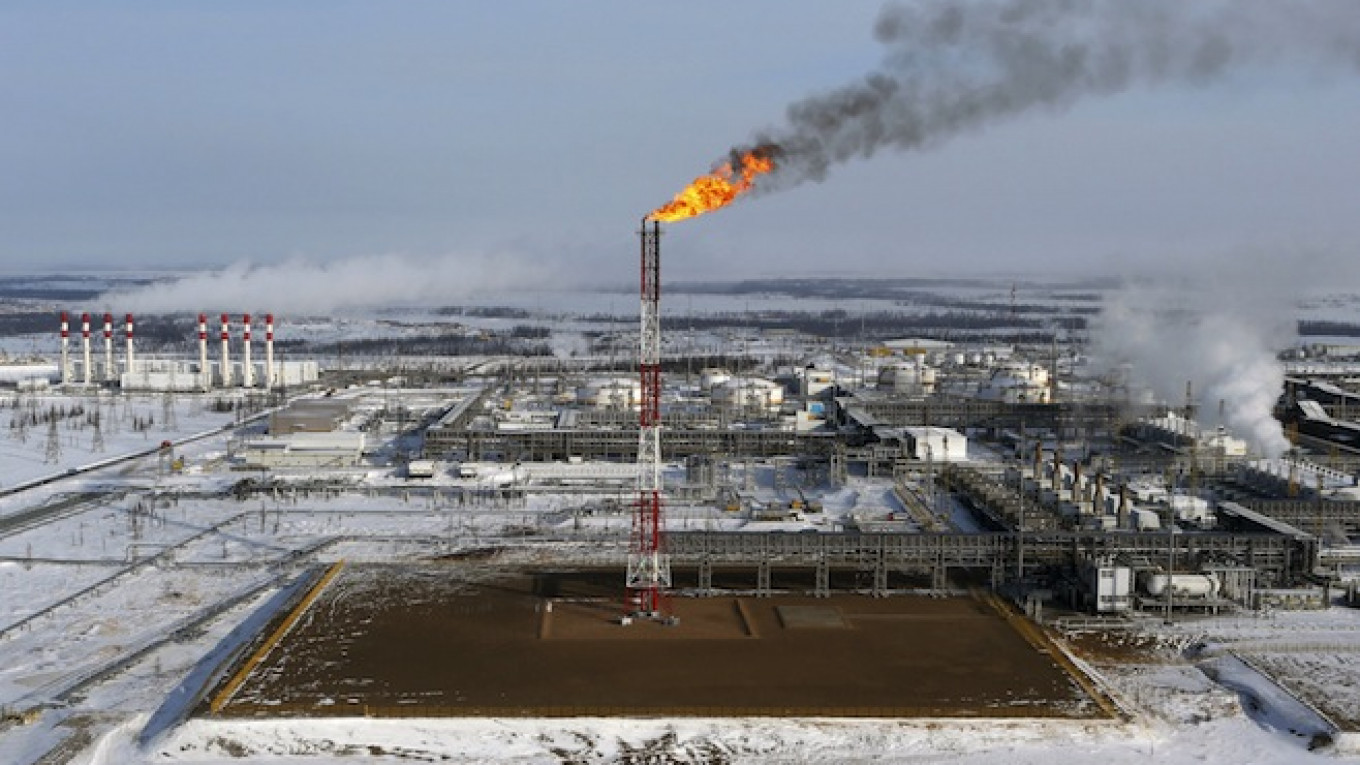
2026 Russia Energy Week Forum: A Wider Energy Trade Network Across Asia, Eurasia, Africa And The West: Analysis Russia Energy Week (REW) 2026, held in Moscow, highlighted Russia’s continuing pivot to Asia alongside efforts to expand energy cooperation across Eurasia, Africa and selected Western markets. The forum’s outcomes reflected Moscow’s strategy of diversifying export destinations, developing new technology markets and strengthening commercial relationships amid geopolitical tensions, trade restructuring and uncertainty in global fuel mark
The forum attracted approximately 6,600 participants from 85 countries, including more than 3,000 business representatives and investors from over 640 Russian and foreign companies. More than 40 events were organised across seven thematic tracks, while an exhibition at Gostiny Dvor showcased equipment and technologies from approximately 100 companies and organisations. Discussions covered nuclear exports, conventional fuels, electricity infrastructure, industrial modernisation, digitalisation, investment and workforce development, Russia's Pivot To Asia reported.
Asia remained central to Russia’s strategy of redirecting energy exports and building alternative commercial partnerships. India participated as the forum’s official partner country for the first time, with eight major companies representing exploration, production, refining, gas distribution and engineering. These included ONGC, Oil India, Indian Oil Corporation, Bharat Petroleum, Hindustan Petroleum, GAIL and Engineers India, alongside associated industry representatives. Hydrogen, compressed biogas and sustainable aviation fuel also featured in the programme. Russia’s engagement with Southeast Asia expanded through discussions involving ASEAN Secretary-General Kao Kim Hourn and Energy Minister Sergey Tsivilev, focusing on implementation of the ASEAN–Russia Energy Cooperation Work Plan 2026–2030. According to remarks at the forum, Russian oil and gas supplies to ASEAN countries had increased by 50% since 2015, while regional energy demand was described as having quadrupled since 2016.
Coal exports further illustrated the eastward shift. Russia’s coal shipments to Asian markets were projected to reach 123–125 million tonnes in 2026, compared with 118.2 million tonnes in 2025, while total exports were forecast at 211 million tonnes. Chinese customs data cited in the report showed Russian coal exports to China reaching 9.4 million tonnes in September 2026, up 39% year on year and the highest monthly volume in more than two years. However, January–September deliveries totalled 62.6 million tonnes, down 6% year on year, despite a 20% increase in their value to US$7.2 billion.
Nuclear technology and infrastructure development formed another important dimension of Russia’s international energy engagement. On 16 October, Rosatom and Indonesia’s PT Pembangkit Listrik Nuklir signed an agreement covering two floating nuclear power units with a combined capacity of 200 MW, intended to supply consumers in North Maluku, particularly northern Halmahera. Based on Rosatom’s RITM reactor technology, the units are expected to begin supplying electricity approximately five years after the key contractual terms enter into force. The proposed business-to-business model envisages private investment, Rosatom retaining ownership of the units and an electricity-purchase arrangement structured around a reported 60-year operating lifecycle.
In Mongolia, Inter RAO-Export signed a contract on 15 October to develop a reconstruction design for Ulaanbaatar Thermal Power Plant No. 3. The proposed modernisation would increase capacity from 48 MW to 250 MW. The facility reportedly supplies approximately 32% of Ulaanbaatar’s heat and 16% of electricity in Mongolia’s central region, making its rehabilitation important for urban energy security. Financing, construction arrangements and implementation schedules remain separate milestones. Domestic agreements complemented these international initiatives, including cooperation between RusHydro and Power Machines on thermal and hydropower modernisation, RusHydro and KER-Holding on equipment reliability and potential engineering exports, and Rosseti and Moscow Power Engineering Institute on energy storage, power electronics, direct-current networks and artificial intelligence. Additional agreements addressed grid technologies, equipment localisation and a combined-cycle gas-turbine unit in Tatarstan.
Regional gas networks continued to offer opportunities for commercial cooperation. Azerbaijan’s State Oil Company, SOCAR, expressed interest in resuming gas purchases from Gazprom, although no new purchase contract was announced. Previous transactions included a 1.6-billion-cubic-metre agreement signed in 2017 and a separate arrangement for up to 1 billion cubic metres covering November 2022 to April 2023. Azerbaijan’s expanding exports to European markets demonstrate how gas-import arrangements can coexist with its role as an exporter. Russia–Iran gas cooperation also remained under discussion, with Azerbaijan potentially providing transit infrastructure. Participants examined how existing pipelines and upgraded compression facilities could support future supplies, although no completed trilateral supply contract had been announced.
Contacts with the United States focused on potential diesel deliveries and wider economic cooperation. Russian officials discussed commercial contracts, including an initial shipment reported as 40,000 tonnes, alongside possible additional supplies. Stated targets included 300,000 tonnes for October, 500,000 tonnes for November and 1 million tonnes for December, with subsequent monthly deliveries potentially reaching 3 million tonnes. These figures represented supply intentions rather than confirmed completed deliveries. Potential cooperation involving nuclear-powered data centres also remained under discussion. The forum took place amid severe fuel-market volatility, with Deputy Prime Minister Alexander Novak estimating the international diesel supply shortfall at approximately 25% of global trade. He reported diesel prices near US$200 per barrel, compared with crude oil prices of roughly US$100–120 per barrel. Possible future European diesel transactions and a return of Nord Stream were also discussed, but neither a new European contract nor an operational timetable was confirmed.
African markets formed another component of Russia’s diversification strategy. Energy Minister Sergey Tsivilev outlined opportunities in gas supplies, geological exploration, hydroelectric rehabilitation, solar and thermal power generation, transmission lines, substations and energy-management systems. Russian intergovernmental commissions involving the Central African Republic, Togo, Niger, Mali and Burkina Faso had identified prospective projects and implementation responsibilities. Further discussions were planned for the Russia–Africa Economic and Humanitarian Forum in Moscow on 28–29 October 2026. These initiatives represented a developing project pipeline rather than evidence that every proposal had reached financing or construction. The wider agenda also included cooperation with Türkiye, Belarus and Kazakhstan on energy security and market coordination; Arctic transport plans involving more than 100 ice-class vessels and four additional nuclear icebreakers; low-carbon fuels; digital standards; and workforce development. Youth Day attracted more than 2,000 participants, while engineering competitions, international internships and training programmes supported future technical capacity.
Overall, Russian Energy Week 2026 demonstrated how Russia’s pivot to Asia is increasingly accompanied by a broader strategy of energy diplomacy across Eurasia, Africa and selected Western markets. Nuclear exports, coal shipments, electricity infrastructure, gas exchanges and engineering services provide different channels for expanding commercial relationships. The clearest project milestones were the Indonesian floating nuclear agreement and Mongolia’s thermal-power design contract, while other initiatives remain dependent on financing, detailed contracts, infrastructure readiness and implementation. The forum underscored Russia’s efforts to diversify markets, strengthen domestic technological capabilities and establish longer-term energy partnerships in a changing international trading environment.
You May Also Like

The true stature of a nation is measured not merely by the strength of its weapons, but by the wisdom with which it employs that strength. Defence
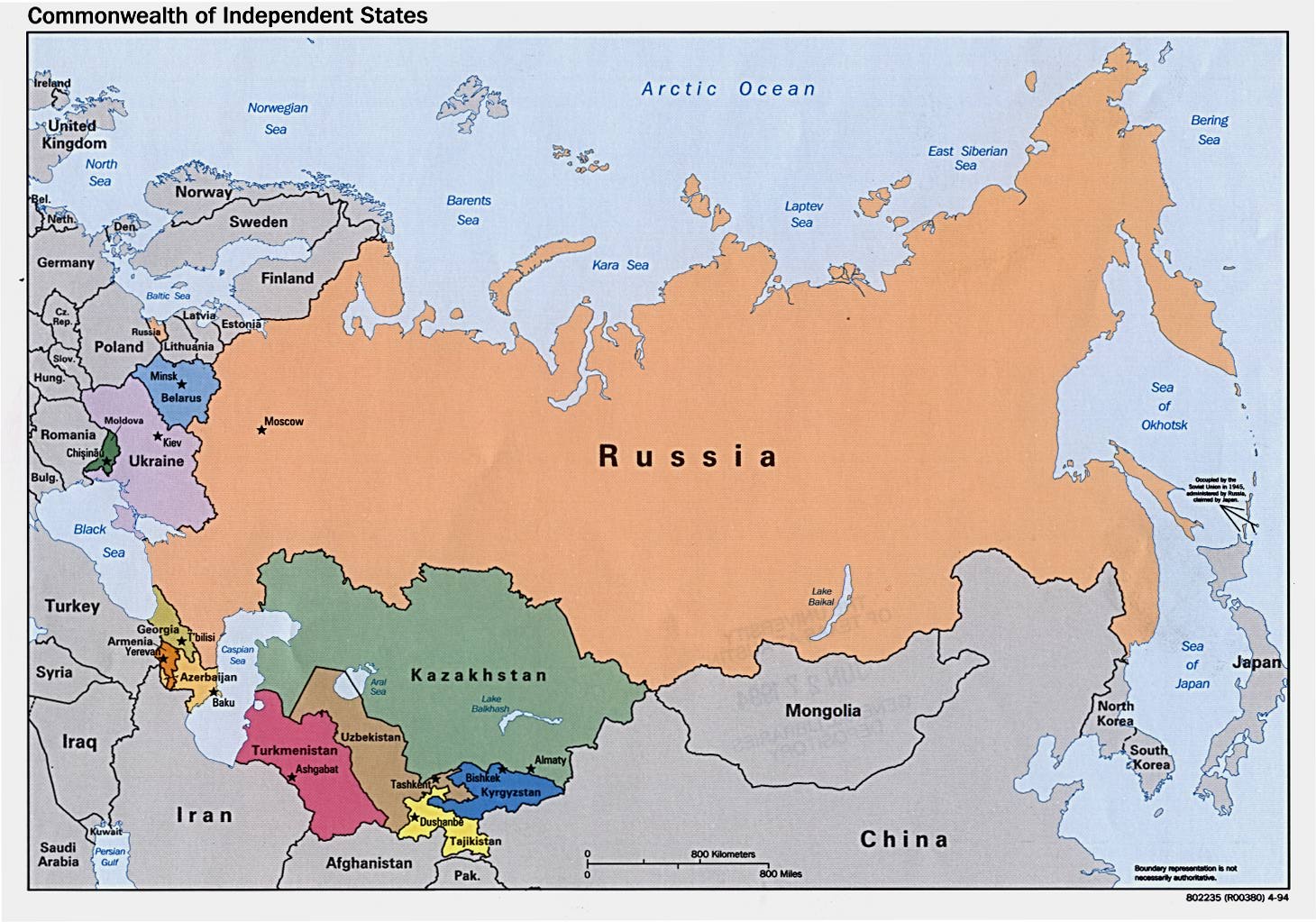
Russia’s Sakhalin region is seeking to increase the value of its trade with China through seafood processing, marine products, port infra


PCP need your support that we may provide you better services: click on donate


"Trial of Pakistani Christian Nation" By Nazir S Bhatti
On demand of our readers, I have decided to release E-Book version of "Trial of Pakistani Christian Nation" on website of PCP which can also be viewed on website of Pakistan Christian Congress www.pakistanchristiancongress.org . You can read chapter wise by clicking tab on left handside of PDF format of E-Book.