
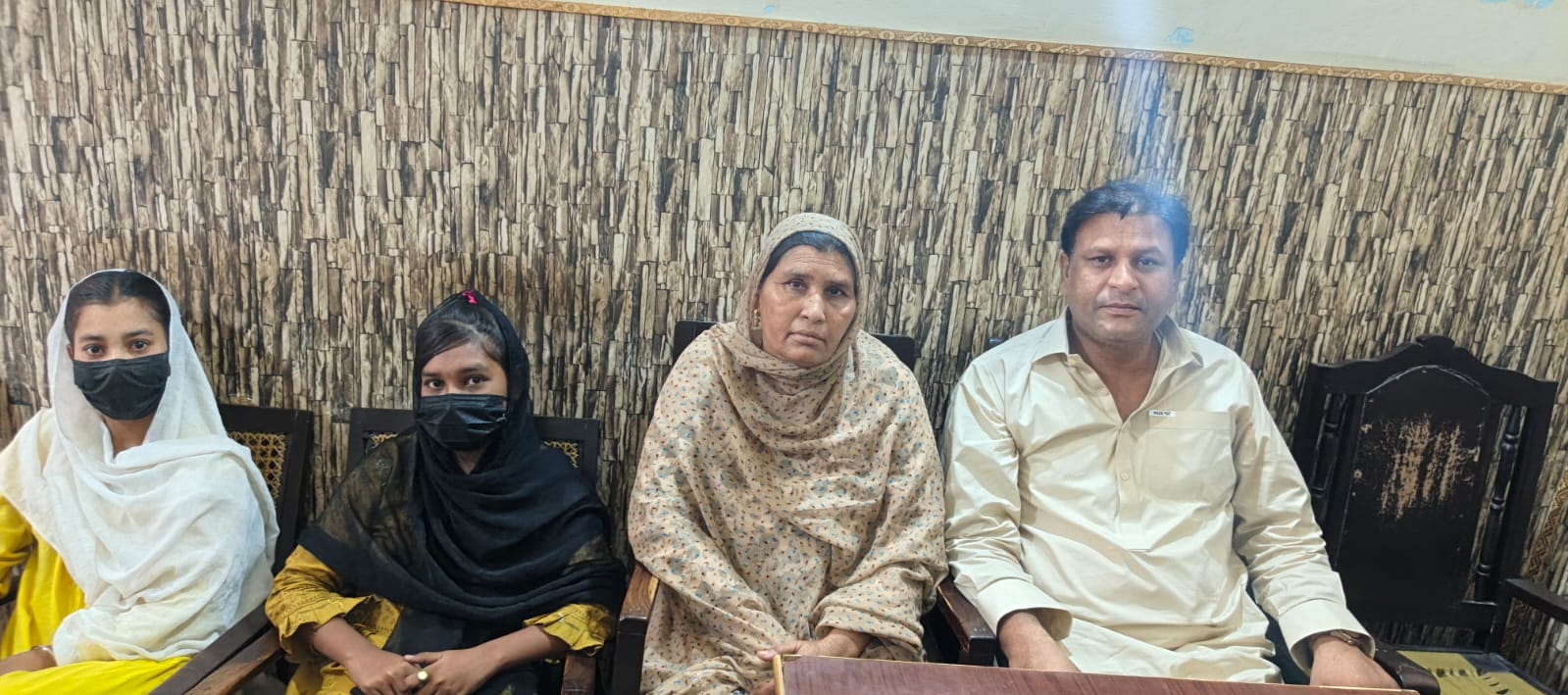
Sahiwal, Punjab: A 14-year-old Christian girl from Sahiwal was allegedly abducted and sexually assaulted after being forced into a room while colle
Women's reserved seats in Pakistani parliament leave minority women underrepresented. By Dr. Emanuel Adil Ghouri
In today's era, women are serving alongside men in every field of life. In fact, it would not be wrong to say that women are establishing a monopoly on the basis of merit in many fields. However, when it comes to their rights, they still face gender discrimination in many matters. The situation in developed countries may be different, but in Pakistan, women face many complex issues in this regard. To ensure the protection of women's rights, other Islamic countries, including Pakistan, have reserved seats in parliament for them so that women's issues can be discussed in parliament and legislation can be made in this regard. See a brief overview of seats: Iraq (25%), Jordan (10%) and Pakistan (17%) European countries achieve 40-50% women's representation through strong party quotas
Pakistan's National Assembly, has 60 seats reserved for women, elected through proportional representation by political parties to ensure women's representation in federal legislation, along with general seats. These seats are distributed among parties based on their overall electoral strengthx aiming to increase women's political participation, although they are sometimes criticized for being party-bound rather than directly elected
Similar reserved seats exist in provincial assemblies. The 1973 constitution reserved 10 seats for women for a limited period, later expanded and amended the number was increased to 60 in 2002 through the Legal Framework Order
Women have been widely represented in the Pakistani National Assembly including provincial assemblies on reserved seats for 52 years, but despite this, incidents of oppression, abuse, and injustice against women continue frequently. Because the women who are in the assembly on reserved seats have no connection with politics nor do they understand the problems of ordinary women. Due to the political monopoly of the parties these seats are allotted as political bribes. Most of the women nominated for seats belong to political families. To keep these families connected to the party and the government their women are brought to the national and provincial assemblies on specific seats. The women nominated to these reserved seats have never presented any resolution condemning the injustice and oppression faced by women in any assembly, nor have they ever presented any bill to strengthen their rights. Violence against women, including rape, murder, acid attacks, domestic violence, denial of education, sexual harassment in the workplace, and forced marriage, is a serious problem across Pakistan, and the government has not taken meaningful steps in response. Rights activists estimate that around 1,000 women are killed each year in so-called "honor killings." These are all issues that female members of parliament should raise their voices on. Pakistani minority women are facing many difficulties simply on the basis of religion but these women members of parliament have never presented any bill to solve their problems. Rather, they opposed the bill on forced marriage and religious conversion of christian girls that was presented in 2020, as per party policy. Here, kidnapping, forced marriages, misuse of blasphemy laws, discrimination in employment, social marginalization, and domestic violence including rape, murder, acid attacks, domestic violence, sexual harassment, such serious issues await the attention of the Women's Parliament across Pakistan.
On April 3, 2025, the NCRC clearly identified these issues in its review report. An excerpt from the report includes: Forced religious conversion, especially of young girls from Hindu and Christian communities, is a serious violation of their fundamental rights and freedoms. Incidents of kidnapping and subsequent forced conversions and marriages have been reported in Sindh and Punjab.The situation is particularly critical in Sindh province, which accounts for 69% of all reported cases, followed by Punjab at 30%. Of these, 71% of victims are girls under the age of 18, while 22% were under the age of 14.To protect the rights of minority women, it is necessary to set a five percent quota for minority women in the 60 seats reserved for women in the National Assembly. This will not only highlight the problems of minority women but also emphasize legislation to solve them. This move by political parties will also make them realize that they are part of the political democratic system of this country, which will also eliminate the political bias found within the parties.If we look at the democracies of developed countries, it is clearly seen that in these countries, women's nominations are made on the basis of political performance rather than race, ethnicity, or religion.The UK Parliament in 2024 is set to be the most ethnically diverse in its history, with black, Asian and ethnic minority women overrepresented. In countries such as Sweden, Norway and Germany, election or nomination is based on merit, not religion. Many minority women in Pakistan (especially Christians) have played an active role in the success of parties, but their hard work and performance have not been recognized solely on the basis of religion, which is undoubtedly a democratic injustice. Due to the political monopoly in the parties, these women will never be able to access the assemblies. Therefore, it is necessary to allocate quotas for minority women in the National Assembly, including other provincial assemblies, in reserved seats for minority women.
You May Also Like
USA: Declaring Jammu and Kashmir an integral part of India does not resolve the dispute or address the aspirations of its people. A peaceful, negot
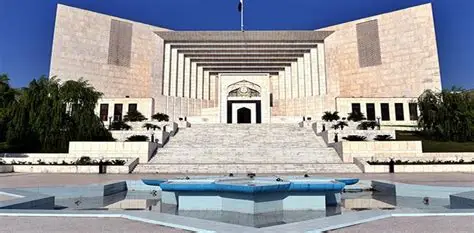
Pakistan: Christian brothers Qaiser and Amoon Ayub were sentenced to death in 2018 over allegations of online blasphemy. On 7 October 2026, the Sup


PCP need your support that we may provide you better services: click on donate


"Trial of Pakistani Christian Nation" By Nazir S Bhatti
On demand of our readers, I have decided to release E-Book version of "Trial of Pakistani Christian Nation" on website of PCP which can also be viewed on website of Pakistan Christian Congress www.pakistanchristiancongress.org . You can read chapter wise by clicking tab on left handside of PDF format of E-Book.