
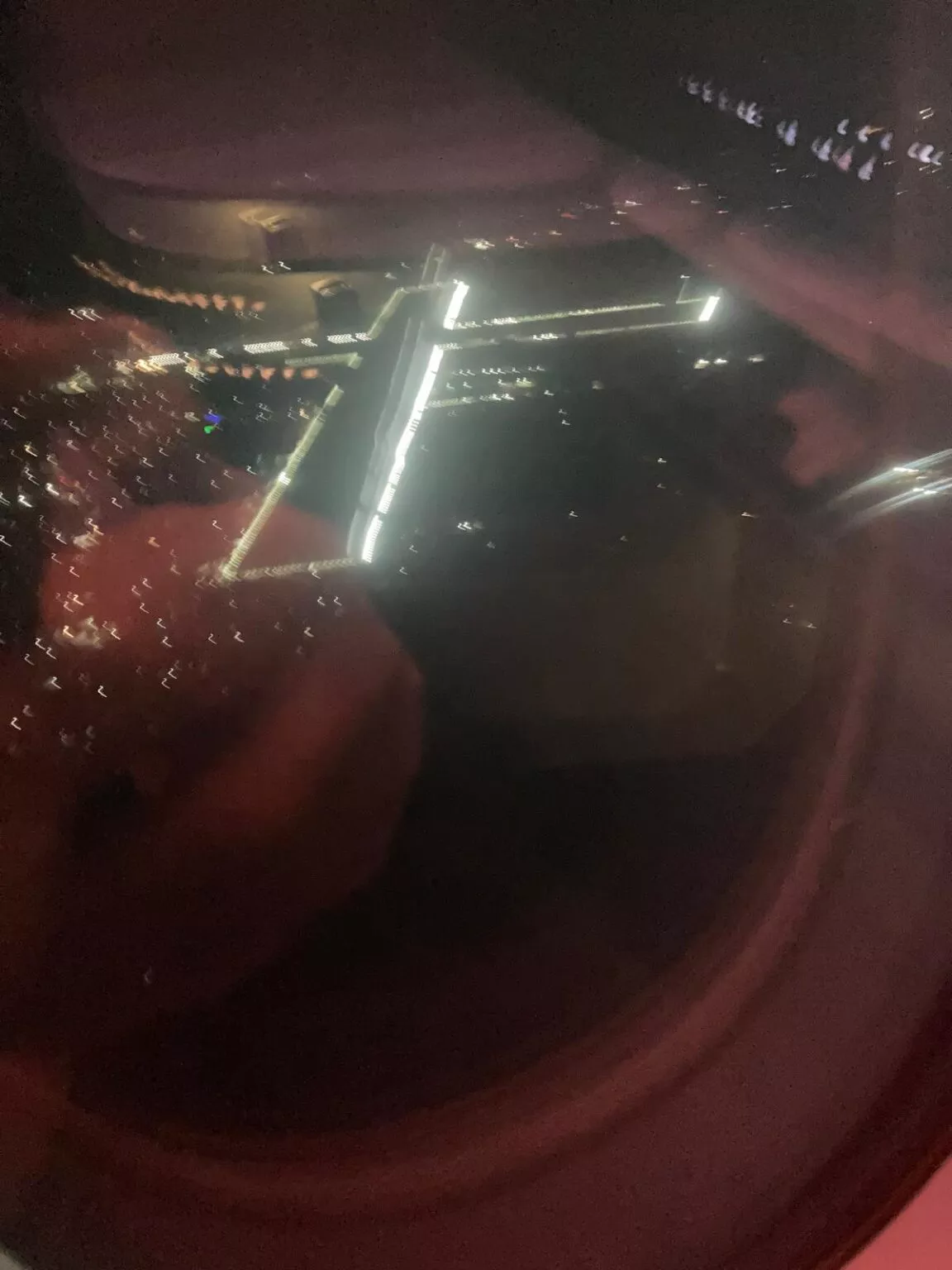
Islamabad: A remarkable photograph taken by a British doctor approaching Islamabad Airport prompted an internet search that uncovered reports of an
The Unraveling Web of Freedom: A Case for Repealing Bangladesh's Digital Security Act
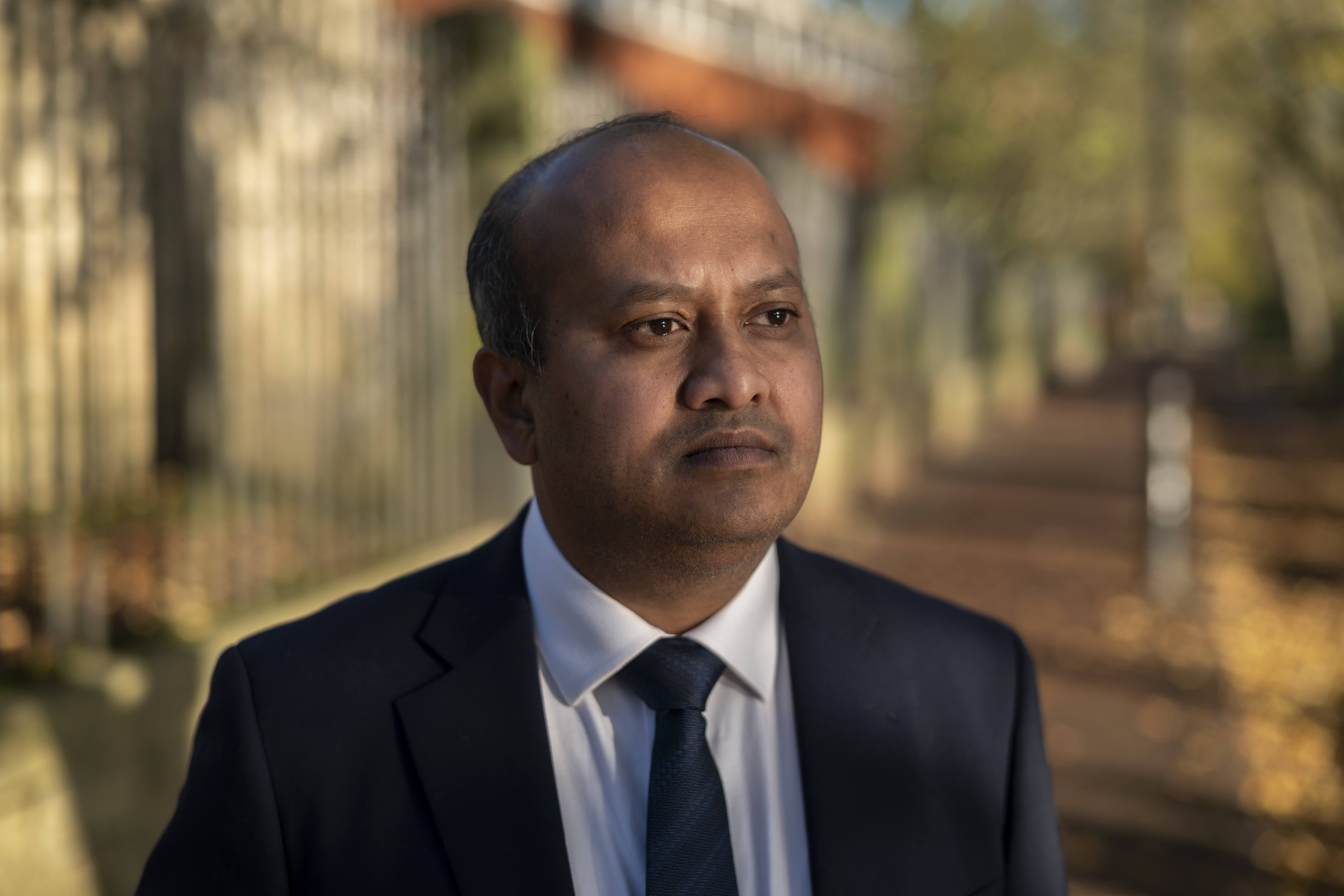
Dhaka:; (By William Gomes) Once seen as a crucial tool in Bangladesh's drive towards digitalization, the Digital Security Act (DSA) of 2018 now faces increasing scrutiny. Initially hailed for safeguarding the nation's digital sphere, it has instead spawned a chilling narrative of stifled voices, dwindling civil liberties, and stark human rights violations.
The DSA emerged on Bangladesh's legislative stage with the objective of strengthening digital infrastructure against escalating cybercrime. However, the Act's essence began to unravel in subsequent months, revealing a worrying tapestry of loosely-defined provisions that curb political dissent and erode fundamental citizens' rights.
An unsettling spike in the DSA's enforcement, underscored by the tragic custodial death of a woman prosecuted under the Act, underscores the urgency of its review. A growing chorus of voices—comprising journalists, lawyers, human rights defenders, and international rights organizations—call for comprehensive amendments. Yet, a more resolute faction demands outright repeal, fueling concern and disillusionment due to the stagnation despite mounting criticism and international pressure.
Although the Office of the United Nations High Commissioner for Human Rights (OHCHR) has critically evaluated the DSA—suggesting the repeal of sections 21 and 28, and significant amendments to eight others—the Bangladesh administration remains indifferent. This attitude persists despite warnings of the DSA's incompatibility with international human rights law and calls for an independent judicial panel to review ongoing DSA cases.
The Act's narrative has taken a darker turn as its provisions have been weaponized against political rivals, dissenting voices, and even unsuspecting women and children. Promises to amend the law have not been fulfilled, leading critics to question the Act's true purpose. The gradual erosion of rights, such as freedom of expression and the right to privacy of communication, raises suspicions that the Act's covert objective is to revive Section 57 of the previously discarded ICT Act, 2006. This clandestine intent has transformed the digital landscape into a hazardous minefield.
Despite the Bangladeshi administration's promise to revise the DSA, tangible action has been scarce. This apparent inertia in addressing the Act's problematic aspects only intensifies dissent, with skeptics viewing any pledges with skepticism. Meanwhile, the call to abolish the law gains traction due to its fundamental flaws, including infringements on citizens' rights, its discordance with existing laws, and allegations of custodial torture.
A thorough examination of the DSA discloses its troubling inconsistencies with other existing laws, such as the Right to Information (RTI) Act, the Disclosure of Public Interest Information (Protection) Act, 2011, and the Children Act, 2013. It reveals a disturbing disregard for civil liberties, including whistleblowing rights and indiscriminate application of the law to children.
The Act's implications extend beyond its extensive control over digital space. Its troubling record of judicial harassment, criminalization of legitimate expression, and allegations of custodial torture underscore the Act's wide-ranging repercussions. Coupled with the lackadaisical approach towards timely trial conclusions, it casts a concerning shadow over Bangladesh's judicial system.
The intensifying debate surrounding the DSA highlights an indisputable fact: the Act threatens Bangladesh's democratic fabric. The grim narrative of its enforcement, its clash with existing legislation, and the erosion of civil liberties all underscore the urgent need for re-evaluation. The time for debate is over—Bangladesh needs action. The form this action takes—whether comprehensive amendments or outright repeal—is Bangladesh's pressing question, one that could shape the trajectory of its democratic evolution and digital future.
You May Also Like
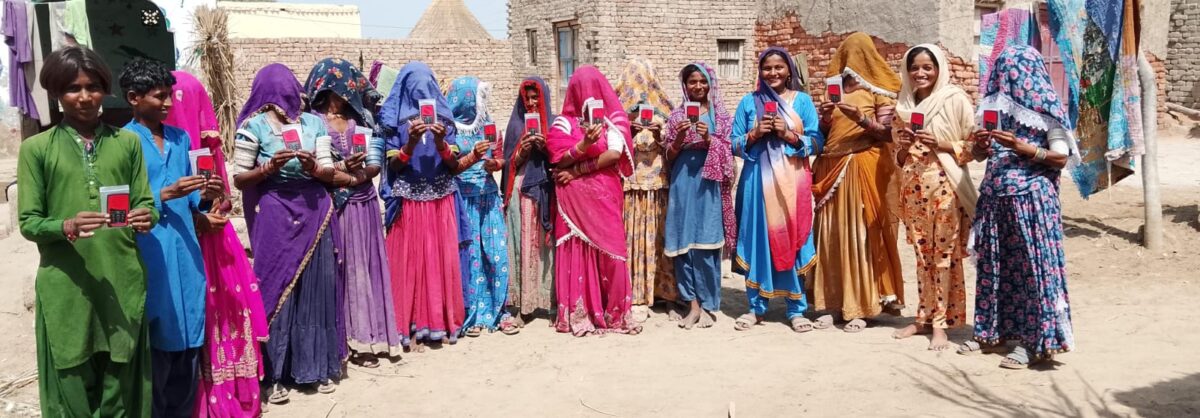
Sindh, Pakistan: BACA Compassionate Outreach: Audio Bibles Bring the Word of God to Christian Community in Berani, Sindh
BACA distributed
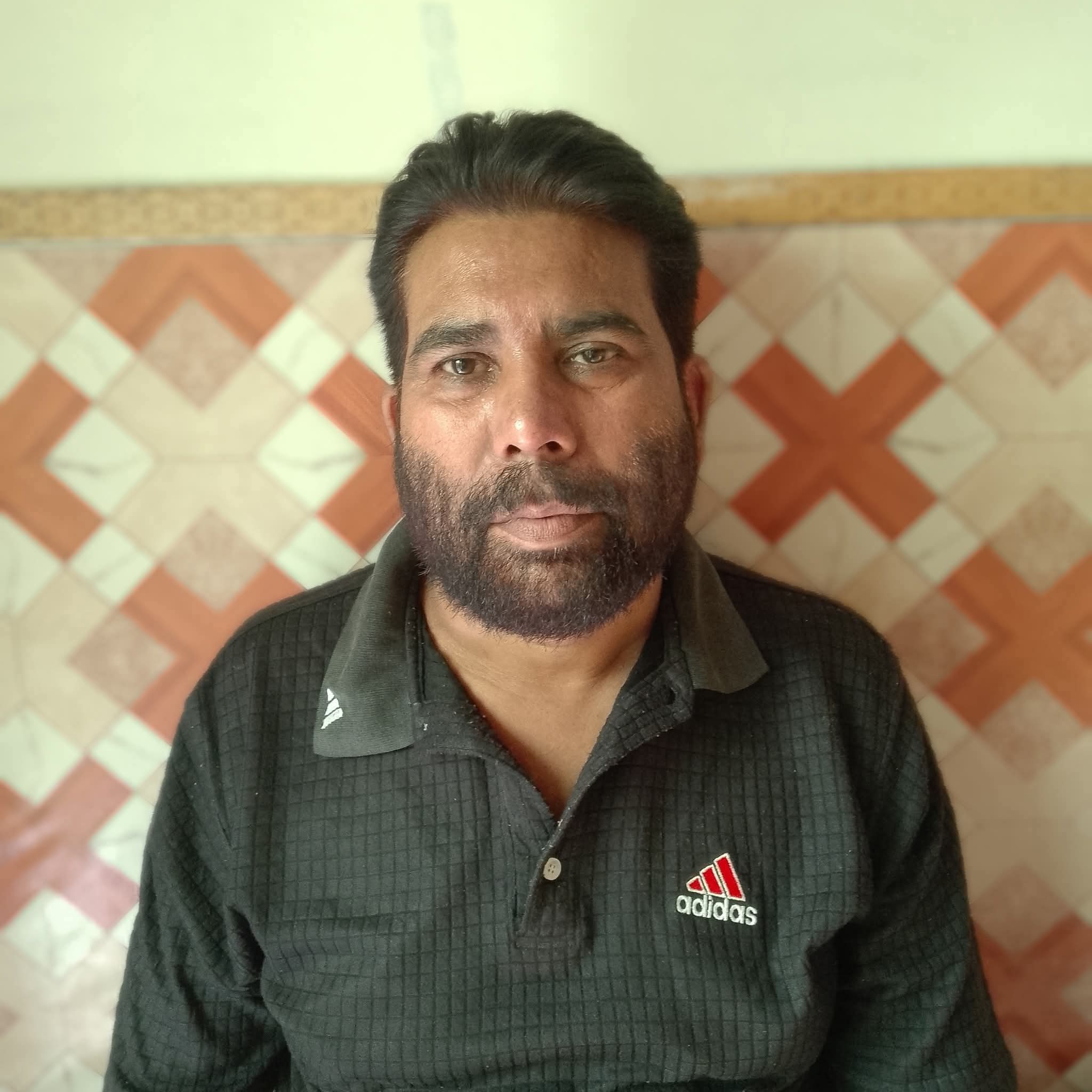
Punjab, Pakistan: A Christian doctor’s home and clinic were attacked and set on fire in Narang Mandi village, Gharial Kalan, following an all


PCP need your support that we may provide you better services: click on donate


"Trial of Pakistani Christian Nation" By Nazir S Bhatti
On demand of our readers, I have decided to release E-Book version of "Trial of Pakistani Christian Nation" on website of PCP which can also be viewed on website of Pakistan Christian Congress www.pakistanchristiancongress.org . You can read chapter wise by clicking tab on left handside of PDF format of E-Book.