

Pakistan: CLAAS-UK has condemned the reported mob attack on the home and medical clinic of Kamran Gill, a Christian father of three from Gharial Ka
Sardar Mushtaq Gill Urges Christian-Majority Nations Worldwide to Recognise Christianophobia and Combat Anti-Christian Hostility and Attacks on the Christian Faith
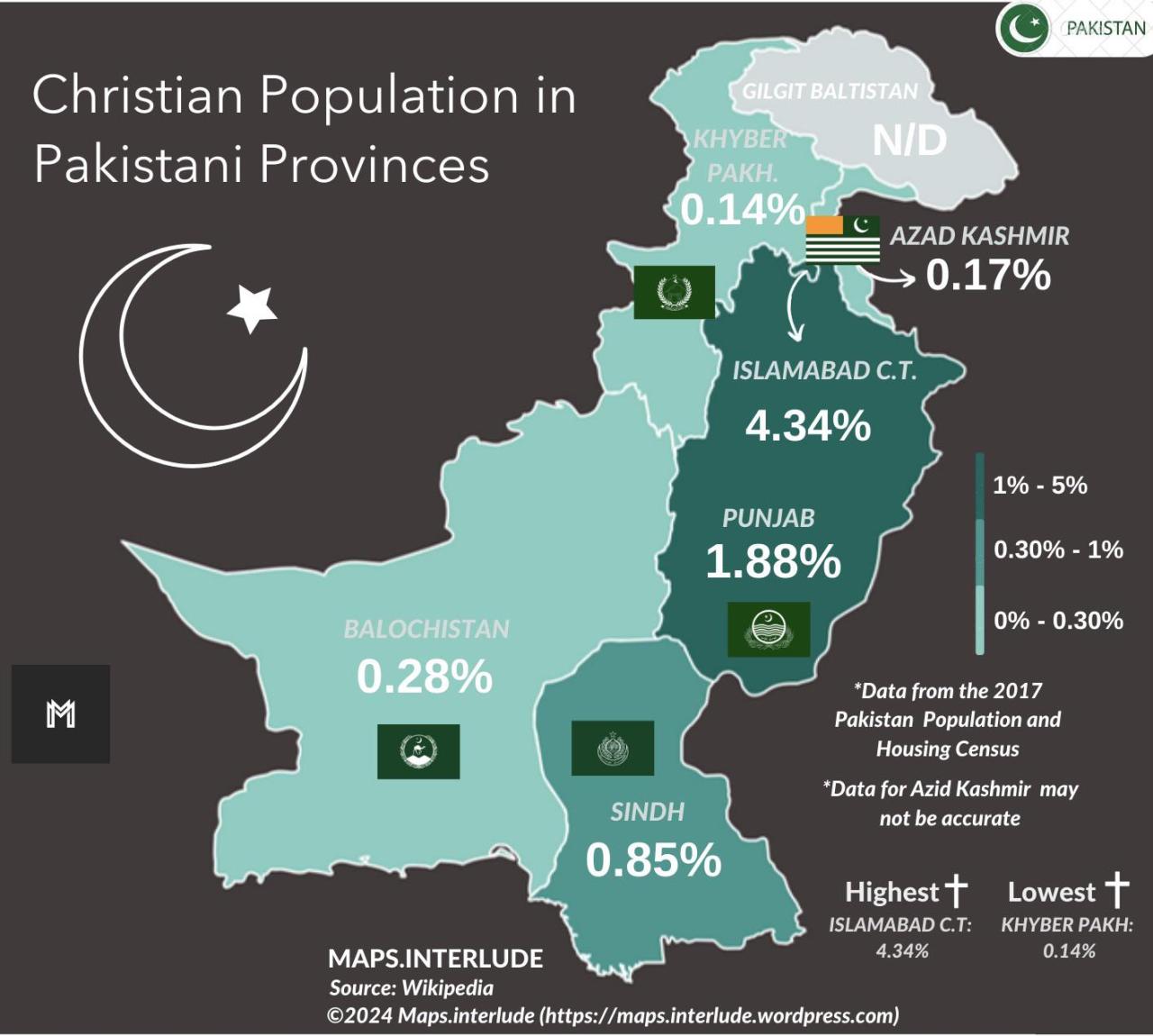
LAHORE, PUNJAB, PAKISTAN: Sardar Mushtaq Gill, a globally known human rights defender and advocate, has urged Christian-majority nations worldwide, including the United States, the United Kingdom, Australia, Canada, New Zealand, Germany, France, Italy, and Ireland, to formally recognise Christianophobia as a serious human rights concern and strengthen international efforts to combat anti-Christian persecution, discrimination, hostility, and attacks on the Christian faith.
Gill called for stronger protection for Christians facing persecution, intimidation, and violence, as well as greater international attention to hostility directed at Christian beliefs, religious practices, churches, religious symbols, and Christian communities.
According to reports, more than 388 million Christians worldwide face high levels of persecution and discrimination because of their faith. This figure highlights the scale of the challenges confronting Christian communities, including restrictions on religious practices, social exclusion, intimidation, imprisonment, and violence.
Gill urged governments, international institutions, human rights organisations, and Christian leaders to move beyond expressions of concern and implement practical, sustainable measures to protect vulnerable Christians and uphold freedom of religion or belief.
He emphasised that religious freedom is a fundamental human right that must be upheld for everyone, regardless of religious identity, nationality, or social status.
More Than 388 Million Christians Face Persecution and Discrimination
Gill expressed deep concern about Christians facing harassment, intimidation, unequal treatment, and restrictions on practising their faith. He stressed that persecution includes not only physical violence but also hostility directed at Christianity, attacks on churches and religious symbols, and attempts to suppress the peaceful expression of Christian beliefs.
He maintained that protecting persecuted Christians must form part of the international commitment to human rights, religious liberty, equality, and justice.
Christian-Majority Nations Urged to Recognise Christianophobia
Gill called upon Christian-majority nations, particularly the United States, the United Kingdom, Australia, Canada, New Zealand, Germany, France, Italy, and Ireland, to adopt a stronger, coordinated approach to combating Christianophobia and anti-Christian hostility.
He argued that formally recognising Christianophobia as a serious human rights concern could increase public awareness, improve the monitoring of anti-Christian incidents, and encourage consistent responses to religiously motivated abuses.
He urged governments to use their diplomatic influence, legal frameworks, and international partnerships to raise credible cases of Christian persecution, investigate alleged violations, and promote accountability.
Gill also called for stronger human rights monitoring, assistance for affected communities, accessible reporting mechanisms, and sustained international advocacy. He emphasised that meaningful action must go beyond political statements to ensure that Christians can practise and express their faith without intimidation or retaliation.
Anti-Christian Hostility and Attacks on the Christian Faith Must Be Addressed
Gill expressed concern about hostility directed both at Christians and at the Christian faith itself. Such hostility can include threats, harassment, religious discrimination, vandalism of churches, attacks on Christian symbols, restrictions on worship, and intimidation based on religious beliefs.
He stressed that freedom of religion or belief includes the right to practise, teach, and peacefully express one's faith without coercion or discrimination. He also distinguished legitimate criticism of religious ideas from threats, incitement to violence, discriminatory treatment, and violations of fundamental rights.
Gill maintained that defending Christians and protecting the peaceful practice of Christianity must be grounded in universal human rights principles, respect for human dignity, and equal protection under the law.
Christians in Muslim-Majority Countries Must Not Be Overlooked
Gill drew attention to the circumstances of Christians in some Muslim-majority countries, where religious discrimination, restrictions, social pressure, and insecurity have raised serious concerns.
He expressed concern that hostility towards Christian beliefs, derogatory remarks, discriminatory practices, and fears of intimidation can cause psychological distress and leave individuals and families feeling vulnerable.
He also raised concerns about cases in which particular interpretations or applications of Islamic teachings or Sharia-based legal provisions are reportedly used to justify restrictions or discriminatory treatment of Christians and other religious minorities. He called for careful, evidence-based international scrutiny, stressing that religious teachings or legal arguments must never be used to justify violence, coercion, or the denial of fundamental rights.
Gill emphasised the importance of distinguishing between the beliefs of ordinary Muslim communities and specific actions, policies, or interpretations that contribute to discrimination. He maintained that defending Christian rights does not require hostility towards Muslims or any other religious community.
He called for equal protection for people of every faith and urged governments to uphold religious freedom, peaceful coexistence, justice, and human dignity.
Faith-Based Hatred Can Create Pressure to Abandon Religious Beliefs
Gill stressed that faith-based hatred, hostility, and discrimination against Christians are forms of religious persecution that can create a suffocating atmosphere of fear, insecurity, and social exclusion.
Persistent intimidation and discrimination may pressure Christians to conceal or suppress their beliefs to avoid harassment, threats, or further harm. In some cases, such pressure may be intended to weaken Christian identity and compel believers to renounce or abandon their faith.
He warned that this less visible dimension of persecution deserves greater international attention. No individual should be forced to choose between personal safety and the freedom to practise their religion.
Gill emphasised that persecution is not limited to physical violence; it can also involve psychological pressure, social marginalisation, threats, and other forms of coercion that undermine religious freedom.
Psychological Suffering and Emotional Distress Require Greater Attention
Gill called for greater recognition of the psychological and emotional consequences of religious persecution. Persistent hostility, social exclusion, threatening rhetoric, and uncertainty about personal safety can create lasting fear among vulnerable Christian communities.
These conditions may restrict freedom of expression, undermine personal confidence, and leave families anxious about their future and the safety of younger generations.
He urged human rights organisations, international observers, and religious institutions to document these less visible effects and ensure that affected Christians are heard and supported.
Gill stressed that effective protection requires preventive measures, legal safeguards, accessible reporting mechanisms, and reliable ways for victims to seek justice without fear of retaliation.
Christian-Majority Parliaments Must Hear the Voices of Persecuted Christians
Gill urged Christian-majority nations to raise Christian persecution, Christianophobia, and hostility towards the Christian faith in their national parliaments.
He called on policymakers to listen directly to Christians who have personally experienced persecution and discrimination, rather than relying solely on individuals without firsthand experience or government representatives constrained by official positions.
He also cautioned against reports that misrepresent, minimise, or overlook anti-Christian persecution and restrictions on Christian beliefs and practices. He stressed the need for independent, impartial, evidence-based assessments that prioritise victims' testimonies and accurately reflect the realities faced by persecuted Christian communities.
Christian Organisations, International Missions, and Commissions Must Ensure Fair and Impartial Due Diligence
Gill also urged Christian organisations, international missions, commissions, relief agencies, charitable foundations, and development initiatives operating from Christian-majority nations in Muslim-majority countries to ensure that due diligence concerning Christian individuals and organisations is independent, impartial, evidence-based, and properly documented.
He cautioned against relying exclusively on potentially biased or hostile sources and stressed that credibility assessments must be based on verified facts, documented evidence, reliable sources, and professional standards, free from religious prejudice, personal enmity, hatred, jealousy, rivalry, vindictiveness, or conflicts of interest. He emphasised that such assessments must ensure that legitimate Christian initiatives are not unfairly discredited because of religious prejudice or conflicts of interest.
Gill emphasised that such an approach would demonstrate meaningful protection and support for Christians who may already be vulnerable to physical and psychological oppression, discrimination, and hostility within their communities.
Christian Leaders and Governments Must Take Concrete Action
Gill called upon Christian leaders, church authorities, international Christian organisations, and human rights advocates to strengthen cooperation in defending persecuted believers and raising awareness of anti-Christian hostility.
He urged Christian institutions to document credible allegations of abuse, assist affected families, and engage constructively with governments and international bodies.
He also called upon governments to investigate credible allegations of religiously motivated violence and discrimination, hold perpetrators accountable through fair legal processes, and ensure that victims have access to justice and appropriate remedies.
Gill maintained that cooperation among governments, civil society, faith communities, and international human rights institutions is essential to preventing further abuses and improving religious freedom.
Religious Freedom Must Be Protected Without Double Standards
Gill reiterated that religious freedom is not a privilege granted by governments or majority communities but a fundamental human right belonging to every individual.
He argued that persecution targeting Christians deserves the same seriousness and international attention as violations targeting any other religious community. Governments must reject religiously motivated hatred, discrimination, and violence consistently, regardless of where they occur or who the victims are.
He emphasised that protecting Christians does not require hostility towards other religions. Instead, it requires equality before the law, peaceful coexistence, mutual respect, and equal protection for people of every faith.
Gill maintained that genuine religious harmony is possible only when minorities are protected from intimidation and discrimination and governments uphold justice and equal citizenship.
An Urgent Call for International Solidarity
Concluding his appeal, Sardar Mushtaq Gill urged Christian-majority nations and all governments committed to religious freedom to strengthen their efforts to protect persecuted Christians.
He called upon the United States, the United Kingdom, Australia, Canada, New Zealand, Germany, France, Italy, Ireland, and other concerned governments to support initiatives that defend religious freedom, promote accountability for credible abuses, and provide practical assistance to vulnerable communities.
He also urged Christian leaders worldwide to stand united in defending Christians facing persecution, particularly those with limited opportunities to seek justice or make their voices heard.
Gill’s appeal highlights the need for sustained international attention to Christianophobia, anti-Christian hostility, discrimination, and attacks on the Christian faith.
His central message is clear: no Christian should endure persecution, intimidation, psychological suffering, or discrimination simply because of their faith. Governments, international institutions, human rights organisations, and Christian leaders must work together to ensure that religious freedom is upheld in practice and vulnerable Christian communities receive meaningful protection.
A world committed to human dignity and justice must ensure that Christians, and people of all other faiths can live, worship, and express their beliefs freely, without fear of persecution, discrimination, or religiously motivated violence.
You May Also Like
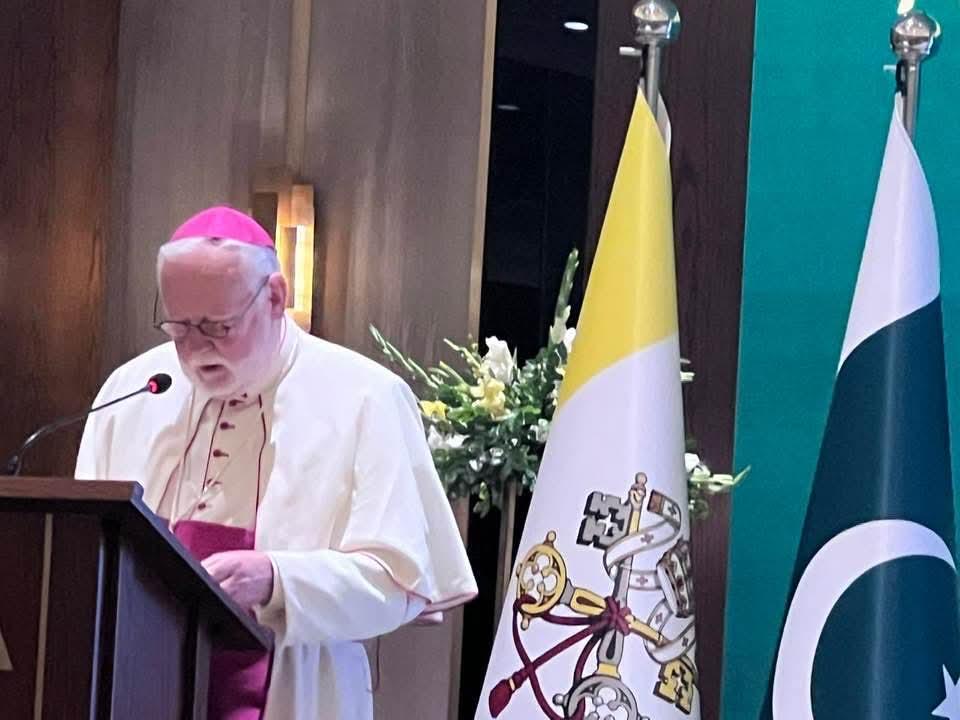
Pakistan: Archbishop Paul Richard Gallagher of the Holy See is visiting Pakistan to mark the 75th anniversary of the establishment of diplomatic re
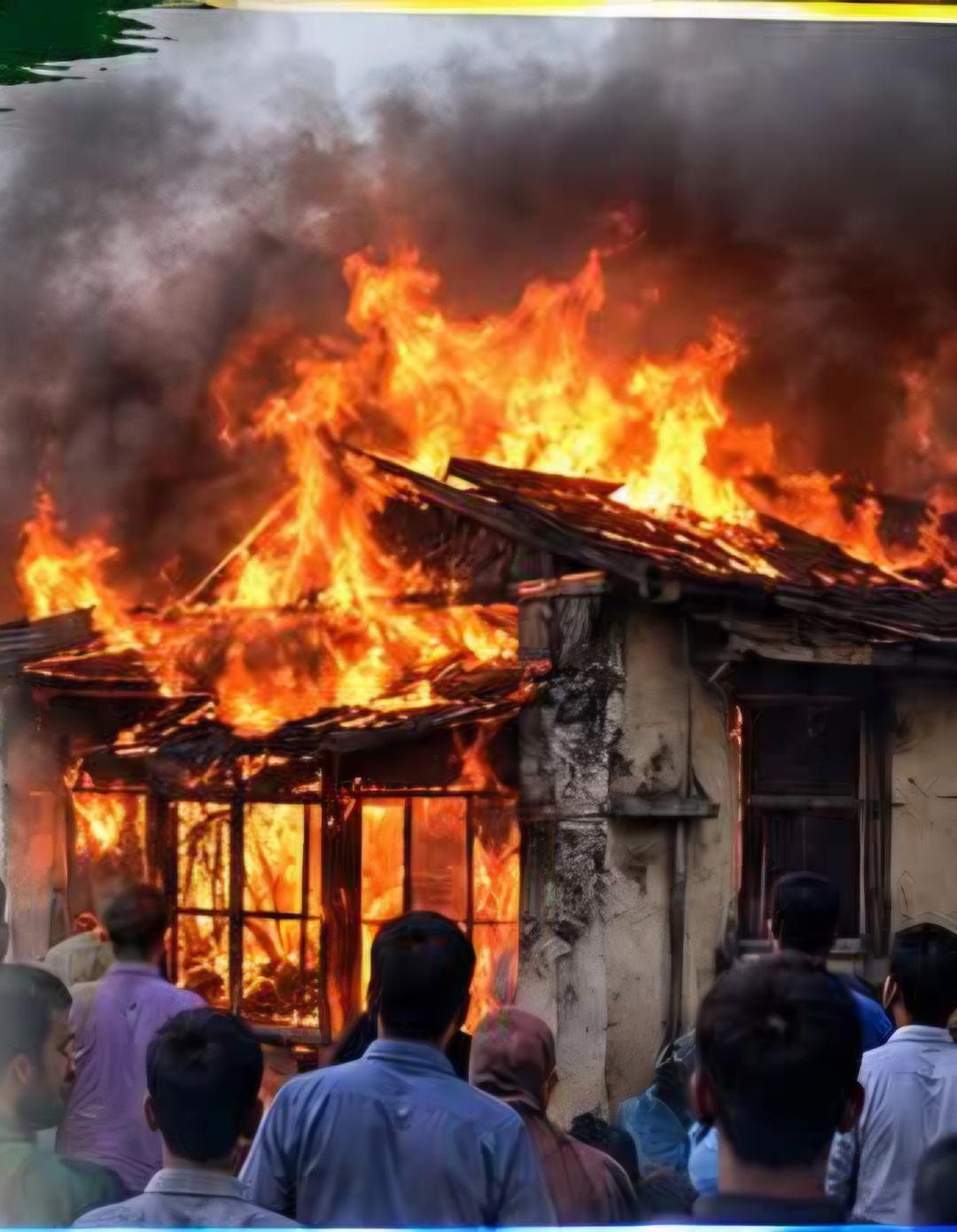
Narang Mandi, Pakistan: Human Rights Focus Pakistan (HRFP) has strongly condemned a mob violence, arson, and threats against members of the C


PCP need your support that we may provide you better services: click on donate


"Trial of Pakistani Christian Nation" By Nazir S Bhatti
On demand of our readers, I have decided to release E-Book version of "Trial of Pakistani Christian Nation" on website of PCP which can also be viewed on website of Pakistan Christian Congress www.pakistanchristiancongress.org . You can read chapter wise by clicking tab on left handside of PDF format of E-Book.