
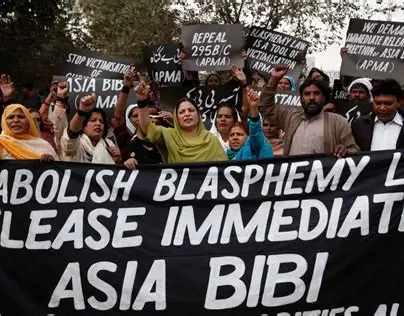
Islamabad, Pakistan: The misuse of blasphemy laws is a serious human rights concern that threatens not only accused individuals but also judges, la
Sardar Mushtaq Gill Welcomes UN Committee’s Focus on Bonded Labour in Pakistan, Calls for International Investigation into Brick Kiln Workers’ Health and Living Conditions
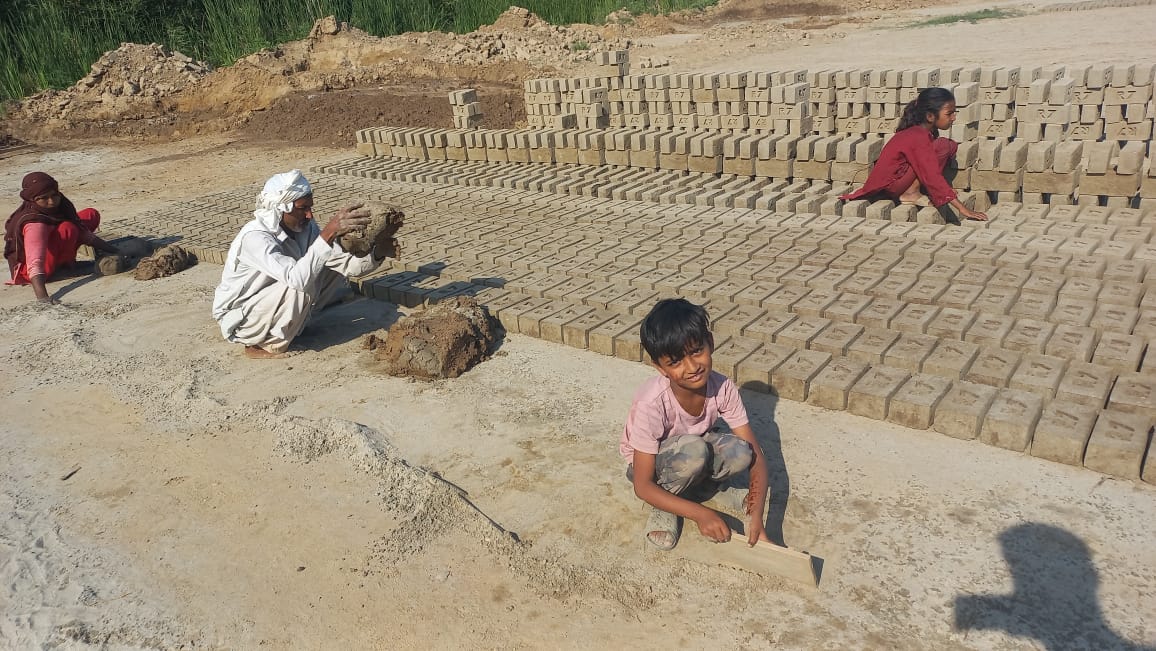
Geneva, Islamabad: Sardar Mushtaq Gill Welcomes UN Committee’s Focus on Bonded Labour in Pakistan, Calls for International Investigation into Brick Kiln Workers’ Health and Living Conditions
Sardar Mushtaq Gill, Human Rights Defender and Lawyer, Founder and International Advocacy Director of LEAD Ministries, welcomes the United Nations Committee on Economic, Social and Cultural Rights’ attention to bonded labour in Pakistan and calls for an independent international investigation into the health, life expectancy, working conditions and living standards of brick kiln workers and their families. He also pays tribute to human rights defenders, organisations and individuals working to secure the freedom, rehabilitation, education, empowerment and dignity of bonded labourers.
Sardar Mushtaq Gill, Human Rights Defender and Lawyer, Founder and International Advocacy Director of LEAD Ministries, has welcomed the attention given to bonded labour in Pakistan by the United Nations Committee on Economic, Social and Cultural Rights during its review of Pakistan’s second periodic report under the International Covenant on Economic, Social and Cultural Rights.
The Committee concluded its review on 4 November 2026, raising questions about bonded labour and other economic, social and cultural rights concerns in Pakistan.
Gill described the Committee’s attention to this issue as an important and timely step towards exposing the continuing exploitation of vulnerable workers, particularly Christian families who constitute a significant proportion of those trapped in Pakistan’s brick kiln industry.
He expressed serious concern over the harsh and inhumane conditions endured by bonded labourers, many of whom work long hours for extremely low wages that are insufficient to meet even their families’ basic food and nutritional needs. Despite their exhausting labour, countless workers remain trapped in poverty, debt and exploitation, with little opportunity to secure a dignified life.
He also highlighted the plight of children who accompany their parents to brick kilns and grow up amid hardship, deprivation and exploitation. Instead of attending school and enjoying their childhood, many are exposed to hazardous working environments and denied access to education. Consequently, poverty and illiteracy continue to pass from one generation to the next, perpetuating a devastating cycle of generational slavery.
“Bonded labour is not merely an issue of poverty; it is a serious violation of human dignity, fundamental freedoms and human rights. No family should be forced to live in slavery because of debt, poverty, religion or social circumstances. Children deserve classrooms, not brick kilns, and every worker deserves fair wages, safe working conditions and the freedom to live with dignity,” Gill stated.
Urgent Appeal for an International Investigation into Brick Kiln Workers’ Health and Life Expectancy
Gill made an urgent appeal to international institutions, particularly the United Nations Office at Geneva, UN human rights mechanisms, the World Health Organization (WHO), the International Labour Organization (ILO) and relevant international research institutions, to initiate an independent, comprehensive and scientifically grounded investigation into the living conditions, health status, disease burden and life expectancy of brick kiln workers and their families in Pakistan.
He stressed the importance of determining whether brick kiln workers experience a lower average life expectancy than the general population because of prolonged exposure to hazardous working environments, air pollution, extreme temperatures, malnutrition, inadequate healthcare and exhausting physical labour.
He further called for particular attention to their vulnerability to respiratory diseases, chronic illnesses, skin conditions, musculoskeletal disorders and other occupational health problems. Existing scientific research has documented serious health concerns among Pakistani brick kiln workers, underlining the need for more extensive investigations.
The proposed study, he emphasised, should examine premature deaths, long-term occupational diseases and the particular impact of these conditions on women and children.
“The world must know how long these workers live, what diseases they suffer from, how frequently they become victims of preventable illnesses, and how many years of their lives are lost to exploitation, poverty and hazardous working conditions.
“I urgently appeal to the United Nations and international research institutions to conduct a comprehensive investigation into the average life expectancy, mortality rates, disease patterns and healthcare conditions of brick kiln workers and compare these findings with those of the wider Pakistani population.
“These workers must not remain invisible in national and international health statistics. Their suffering deserves serious scientific investigation, international attention and practical action. We cannot continue to ignore the health and lives of people who spend their entire lives working in dangerous conditions simply to provide food for their families,” Gill stated.
He urged international institutions to ensure that the proposed investigation includes independent field visits, medical examinations, interviews with workers and their families, occupational health assessments, and research into child labour, malnutrition, maternal health and access to medical facilities.
Appreciation for Human Rights Defenders and Organisations Working to End Bonded Labour
Gill expressed his heartfelt appreciation to human rights defenders, civil society organisations, activists, humanitarian workers and individuals who are working tirelessly to identify, support and secure the release of bonded labourers from brick kilns.
He acknowledged the dedication and sacrifices of those who visit brick kiln communities, raise the voices of affected families, provide legal assistance and work towards securing freedom for people trapped in forced and bonded labour.
He particularly appreciated those whose efforts extend beyond securing the release of bonded labourers to include rehabilitation, education, healthcare, empowerment, economic independence and sustainable development.
Gill emphasised that rescuing families from bonded labour is an essential humanitarian achievement, but freedom must be accompanied by meaningful rehabilitation, educational opportunities, healthcare, sustainable livelihoods and long-term protection against further exploitation.
Every effort to liberate a family from bonded labour, he noted, represents an investment in human dignity and an important step towards breaking the cycle of generational slavery.
Call for Government Action and International Accountability
Gill urged the Government of Pakistan to move beyond legislative commitments and take concrete measures to eradicate bonded labour. These measures must include the effective implementation of existing laws, prosecution of those responsible for exploitation, fair wages, comprehensive rehabilitation and free and accessible education for the children of brick kiln workers.
He also called upon the international community and United Nations human rights mechanisms to maintain sustained attention to the situation of bonded labourers in Pakistan and press for effective accountability, institutional reforms and lasting protection for affected communities.
“Ending bonded labour requires more than releasing individual families from brick kilns. It demands a comprehensive approach that addresses poverty, illiteracy, discrimination and economic exploitation. Every released family must receive protection, education, livelihood opportunities and the support necessary to rebuild their lives. Freedom must become permanent, not temporary,” Gill emphasised.
He concluded by welcoming the Committee’s attention to this critical human rights concern and expressing hope that its observations and recommendations would encourage meaningful government action to eradicate bonded labour and protect the rights, dignity, health and future of vulnerable communities in Pakistan.
Gill reiterated that the struggle against bonded labour must not end with discussions, statements or international reviews. It must translate into the freedom of exploited families, the protection of children, access to education and healthcare, and a future in which no human being is forced to sacrifice their dignity, health and life simply to survive.
You May Also Like

CHRISTIANOPHOBIA IS REAL: AN URGENT APPEAL FOR EQUAL RECOGNITION OF ANTI-CHRISTIAN HATRED IN UN GENEVA'S PUBLIC COMMUNICATIONS
To: Th
New Jersy, USA: It has been forty-two (42) years since the start of the prolonged decade and a half long Sikh Genocide which was carried out from 1


PCP need your support that we may provide you better services: click on donate


"Trial of Pakistani Christian Nation" By Nazir S Bhatti
On demand of our readers, I have decided to release E-Book version of "Trial of Pakistani Christian Nation" on website of PCP which can also be viewed on website of Pakistan Christian Congress www.pakistanchristiancongress.org . You can read chapter wise by clicking tab on left handside of PDF format of E-Book.