

Nigeria is preparing to take centre-stage in the global fight against drug resistance or antimicrobial resistance (AMR), with the Federal Governmen
Kashmir and the Criminalization of Dissent. By Dr. Ghulam Nabi Fai, Chairman, World Forum for Peace & Justice
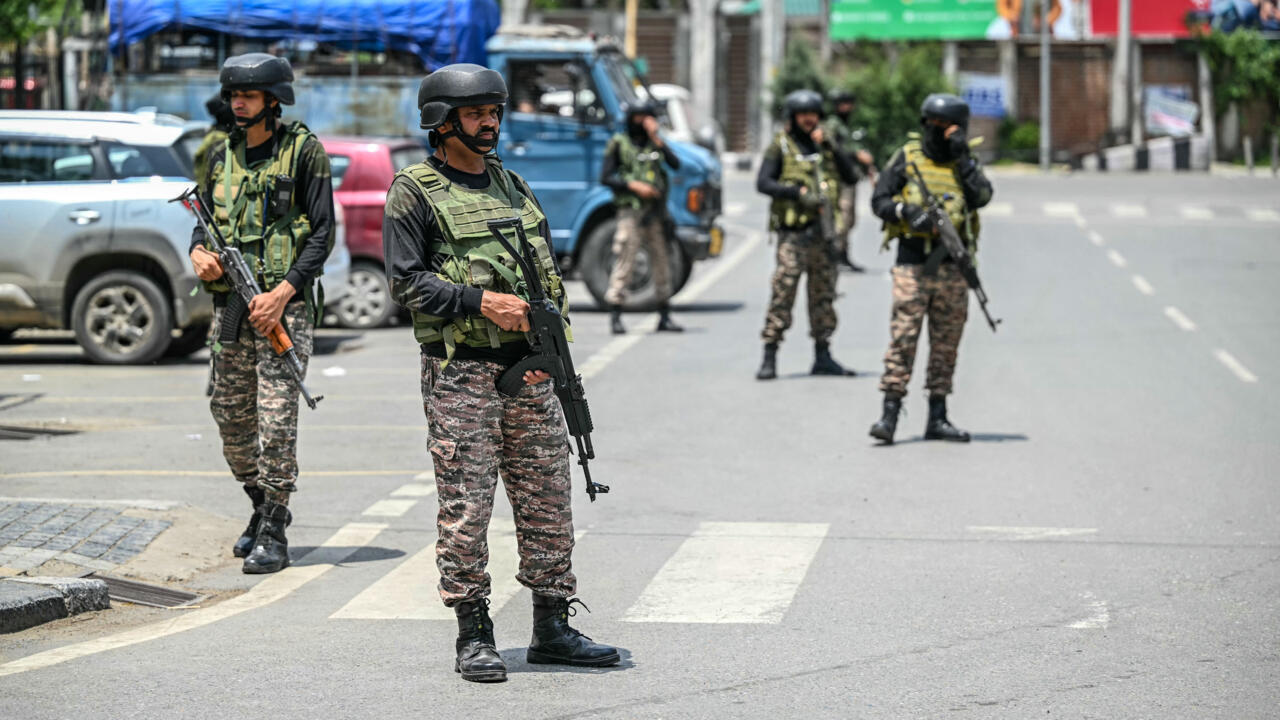
The recent conviction of three prominent Kashmiri women leaders—Asiya Andrabi, Fahmeeda Sofi, and Nahida Nasreen—by a National Investigation Agency (NIA) court in Delhi underscores a disturbing trend in India’s governance of Jammu and Kashmir: the systematic criminalization of peaceful political dissent under the guise of counterterrorism.
The three women were convicted under the Unlawful Activities (Prevention) Act (UAPA), a law widely criticized by international human rights experts for its vague definitions, prolonged pre-trial detention, and use as a tool to silence critics. Asiya Andrabi, Fahmeeda Sofi, and Nahida Nasreen are associated with Dukhtaran-e-Millat, a constituent of the All Parties Hurriyat Conference (APHC)—a coalition that has long advocated a peaceful, negotiated resolution of the Kashmir dispute in accordance with United Nations resolutions.
This case is not an anomaly. It reflects a broader pattern in which India’s counterterrorism laws are deployed not to address genuine security threats, but to suppress political expression and civic activism in Kashmir.
International concern over India’s counterterrorism framework is well documented. On May 6, 2020, nine United Nations Special Rapporteurs, together with the Chair of the UN Working Group on Arbitrary Detention, formally warned India that amendments to the UAPA were incompatible with its obligations under international human rights law. They expressed particular alarm over provisions allowing individuals to be designated as “terrorists” without due process, noting that such powers were being exercised in a context of discrimination against religious minorities, human rights defenders, and political dissidents.
Leading human rights organizations have echoed these warnings. Aakar Patel, former Chair of Amnesty International India, observed that authorities were using “bogus foreign-funding and terrorism charges” to intimidate and silence critics, in violation of international financial and legal standards. Human Rights Watch, in multiple reports including one issued in November 2023, has urged India to stop abusing counterterrorism regulations that have created what its Asia leadership describes as a “dangerous arsenal” against civil society.
The allegations against Asiya Andrabi, Fahmeeda Sofi, and Nahida Nasreen center largely on their use of social media and public messaging that, according to prosecutors, threatened India’s sovereignty and territorial integrity. Yet a closer look reveals that their advocacy focused on demanding the implementation of United Nations Security Council resolutions on Kashmir—resolutions that explicitly recognize Kashmir as a disputed territory and call for the people of the region to determine their political future.
These resolutions were not imposed on India from the outside. They were adopted with India’s participation and, in several instances, with language proposed by Indian representatives themselves. Peacefully invoking international law and UN-mandated processes cannot credibly be equated with terrorism.
Equally troubling is the judicial reasoning employed in the case. The special NIA court relied on domestic legal provisions to claim that the women’s statements were prejudicial to national integration. This ignores a fundamental legal reality: under international law and binding UN Security Council resolutions, Jammu and Kashmir remains a disputed territory, not an internationally recognized part of any UN member state. Advocacy for self-determination in such a context does not constitute secession; it reflects a right recognized under international law.
The judgment also raises serious constitutional concerns. By criminalizing peaceful political expression, it conflicts with basic protections enshrined in India’s own Constitution, including guarantees of liberty, due process, and freedom of expression. When counterterrorism laws are used to punish speech rather than violence, the rule of law itself is placed at risk.///
Among the charges cited is an allegation that Asiya Andrabi hoisted the Pakistani flag and sang Pakistan’s national anthem in Kashmir in 2015. Even if true, the selective criminalization of symbolic expression exposes a glaring double standard. Kashmiri civilians have frequently been compelled under military supervision to display Indian national symbols on official occasions. Symbolic acts cannot be criminalized selectively, particularly in a region governed by extraordinary military measures.
The conviction of these three women must also be viewed alongside the continued detention of other prominent Kashmiri leaders, including Mohammad Yasin Malik, Shabir Ahmed Shah, Masarat Aalam, and Khurram Parvez, many of whom have been imprisoned for years without fair trial under the same legal framework.
India rightly seeks recognition as a democratic state committed to the rule of law. That claim is undermined when counterterrorism legislation is used to silence peaceful political voices, especially those of women, in a disputed territory. Restoring credibility requires more than rhetoric; it requires adherence to constitutional guarantees and international legal obligations.
The international community—particularly UN Special Rapporteurs and democratic partners of India—must press for the immediate and unconditional release of all Kashmiri political prisoners, including Asiya Andrabi, Fahmeeda Sofi, and Nahida Nasreen, held for peaceful expression. Justice in Kashmir cannot be achieved through repression. Only respect for law, dialogue, and the freely expressed will of the people can offer a path toward lasting peace.
(Dr. Fai is also the Secretary General, World Kashmir Awareness forum. He can be reached at: WhatsApp: 1-202-607-6435 or gnfai2003@yahoo.com www.kashmirawareness.org)
The three women were convicted under the Unlawful Activities (Prevention) Act (UAPA), a law widely criticized by international human rights experts for its vague definitions, prolonged pre-trial detention, and use as a tool to silence critics. Asiya Andrabi, Fahmeeda Sofi, and Nahida Nasreen are associated with Dukhtaran-e-Millat, a constituent of the All Parties Hurriyat Conference (APHC)—a coalition that has long advocated a peaceful, negotiated resolution of the Kashmir dispute in accordance with United Nations resolutions.
This case is not an anomaly. It reflects a broader pattern in which India’s counterterrorism laws are deployed not to address genuine security threats, but to suppress political expression and civic activism in Kashmir.
International concern over India’s counterterrorism framework is well documented. On May 6, 2020, nine United Nations Special Rapporteurs, together with the Chair of the UN Working Group on Arbitrary Detention, formally warned India that amendments to the UAPA were incompatible with its obligations under international human rights law. They expressed particular alarm over provisions allowing individuals to be designated as “terrorists” without due process, noting that such powers were being exercised in a context of discrimination against religious minorities, human rights defenders, and political dissidents.
Leading human rights organizations have echoed these warnings. Aakar Patel, former Chair of Amnesty International India, observed that authorities were using “bogus foreign-funding and terrorism charges” to intimidate and silence critics, in violation of international financial and legal standards. Human Rights Watch, in multiple reports including one issued in November 2023, has urged India to stop abusing counterterrorism regulations that have created what its Asia leadership describes as a “dangerous arsenal” against civil society.
The allegations against Asiya Andrabi, Fahmeeda Sofi, and Nahida Nasreen center largely on their use of social media and public messaging that, according to prosecutors, threatened India’s sovereignty and territorial integrity. Yet a closer look reveals that their advocacy focused on demanding the implementation of United Nations Security Council resolutions on Kashmir—resolutions that explicitly recognize Kashmir as a disputed territory and call for the people of the region to determine their political future.
These resolutions were not imposed on India from the outside. They were adopted with India’s participation and, in several instances, with language proposed by Indian representatives themselves. Peacefully invoking international law and UN-mandated processes cannot credibly be equated with terrorism.
Equally troubling is the judicial reasoning employed in the case. The special NIA court relied on domestic legal provisions to claim that the women’s statements were prejudicial to national integration. This ignores a fundamental legal reality: under international law and binding UN Security Council resolutions, Jammu and Kashmir remains a disputed territory, not an internationally recognized part of any UN member state. Advocacy for self-determination in such a context does not constitute secession; it reflects a right recognized under international law.
The judgment also raises serious constitutional concerns. By criminalizing peaceful political expression, it conflicts with basic protections enshrined in India’s own Constitution, including guarantees of liberty, due process, and freedom of expression. When counterterrorism laws are used to punish speech rather than violence, the rule of law itself is placed at risk.///
Among the charges cited is an allegation that Asiya Andrabi hoisted the Pakistani flag and sang Pakistan’s national anthem in Kashmir in 2015. Even if true, the selective criminalization of symbolic expression exposes a glaring double standard. Kashmiri civilians have frequently been compelled under military supervision to display Indian national symbols on official occasions. Symbolic acts cannot be criminalized selectively, particularly in a region governed by extraordinary military measures.
The conviction of these three women must also be viewed alongside the continued detention of other prominent Kashmiri leaders, including Mohammad Yasin Malik, Shabir Ahmed Shah, Masarat Aalam, and Khurram Parvez, many of whom have been imprisoned for years without fair trial under the same legal framework.
India rightly seeks recognition as a democratic state committed to the rule of law. That claim is undermined when counterterrorism legislation is used to silence peaceful political voices, especially those of women, in a disputed territory. Restoring credibility requires more than rhetoric; it requires adherence to constitutional guarantees and international legal obligations.
The international community—particularly UN Special Rapporteurs and democratic partners of India—must press for the immediate and unconditional release of all Kashmiri political prisoners, including Asiya Andrabi, Fahmeeda Sofi, and Nahida Nasreen, held for peaceful expression. Justice in Kashmir cannot be achieved through repression. Only respect for law, dialogue, and the freely expressed will of the people can offer a path toward lasting peace.
(Dr. Fai is also the Secretary General, World Kashmir Awareness forum. He can be reached at: WhatsApp: 1-202-607-6435 or gnfai2003@yahoo.com www.kashmirawareness.org)
You May Also Like

History is a stern teacher, but nations that refuse to learn from its lessons are condemned to repeat its tragedies. The Muslim world, blessed with

The USA should not be apologetic about controlling & leading the world militarily in the interest of establishing and running a ‘new huma


PCP need your support that we may provide you better services: click on donate


"Trial of Pakistani Christian Nation" By Nazir S Bhatti
On demand of our readers, I have decided to release E-Book version of "Trial of Pakistani Christian Nation" on website of PCP which can also be viewed on website of Pakistan Christian Congress www.pakistanchristiancongress.org . You can read chapter wise by clicking tab on left handside of PDF format of E-Book.