

This refers to Secretary Rubio’s forthcoming visit to India which has triggered happy talks and good-wishes among commentators in Indian medi
THE THEOLOGICAL DIFFERENCE BETWEEN WESTER AND EASTERN UNDERSTANDINGS. By Justin Sharaf
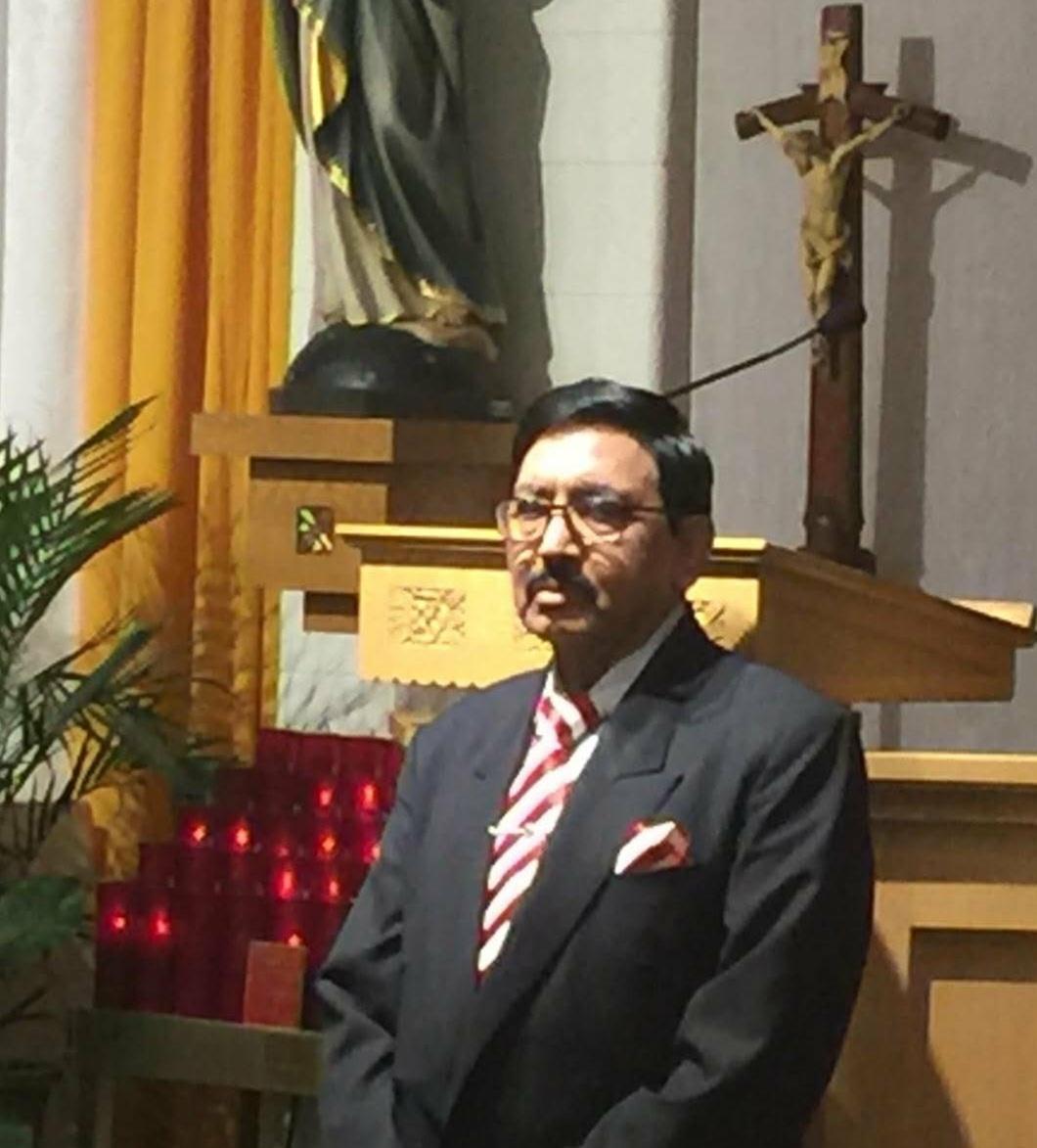
The primary theological divergence between Western (Catholic) and Eastern (Orthodox) understandings of the Trinity centers on the “Filioque clause” and the structural starting point, of how the Godhead is conceptualized. The Western tradition typically approaches the Trinity by emphasizing the one divine essence shared by the three Persons, while the Eastern tradition starts with the Person of the Father as the sole source of the Godhead.
The Holy Trinity is the foundational Christian belief that one eternal, infinite God exists in three distinct, co-equal, and co-eternal Persons:
God the Father, God the Son (Jesus Christ), and God the Holy Spirit. While they share one divine essence, each Person relates uniquely within the Godhead.
The Orthodox and Historic Christian Framework
Historically and in Eastern Orthodox theology, the Trinity is understood through these core concepts:
The Father: The source or fountainhead of the Godhead, who begets the Son and from whom the Holy Spirit proceeds.
The Son: The eternal Word (Logos) of the Father, eternally begotten, who became incarnate to save humanity.
The Holy Spirit: The eternal Breath of God, who proceeds from the Father and sanctifies creation.
One Will and Energy: Because they are one divine essence, the three Persons possess a perfect, unbroken unity of mind, love, and will.
The Trinity in the Old Testament
Although the doctrine is fully revealed with the coming of Christ, the Old Testament provides prophetic hints and shadows of a plurality within God.
Plurality in Creation: God speaks of Himself in plural forms, implying an eternal counsel. “Then God said, 'Let Us make man in Our image, according to Our likeness...'" (Genesis 1:26)
The Spirit and The Word: The presence of the Spirit of God and the active, creating Word of God. “The earth was without form and void, and darkness was over the face of the deep. And the Spirit of God was hovering over the face of the waters." (Genesis 1:2)
The Angel of the Lord: Often interpreted as pre-incarnate appearances of the Son, acting as God while being distinct from the Father. “And the angel of the Lord appeared to him in a flame of fire out of the midst of a bush." (Exodus 3:2)
The Trinity in the New Testament
The New Testament brings the mystery of the Trinity into the light, frequently showing all three Persons present and active at the same time.
The Incarnation and Baptism: All three Persons are simultaneously manifested during the baptism of Jesus. “And when Jesus was baptized, he went up immediately from the water, and behold, the heavens were opened to him, and he saw the Spirit of God descending like a dove and coming to rest on him; and behold, a voice from heaven said, 'This is my beloved Son, with whom I am well pleased.'" (Matthew 3:16-17)
The Great Commission: Jesus commands His disciples to baptize in the singular "Name" (implying one God), while listing three distinct Persons. “Go therefore and make disciples of all nations, baptizing them in the name of the Father and of the Son and of the Holy Spirit." (Matthew 28:19)
The Divinity of Christ and the Spirit: The New Testament boldly affirms that the Son and the Spirit are fully God, not created beings. “In the beginning was the Word, and the Word was with God, and the Word was God." (John 1:1)
"But Peter said, 'Ananias, why has Satan filled your heart to lie to the Holy Spirit? ...You have not lied to man but to God.'" (Acts 5:3-4)
Apostolic Blessing: All three Persons are invoked equally in early Church benedictions. “The grace of the Lord Jesus Christ and the love of God and the fellowship of the Holy Spirit be with you all." (2 Corinthians 13:14)
Differences between Western (Catholic) and Eastern (Orthodox) understandings of the Trinity?
The primary theological divergence between Western (Catholic) and Eastern (Orthodox) understandings of the Trinity centers on the “Filioque clause” and the structural starting point of how the Godhead is conceptualized.
The Western tradition typically approaches the Trinity by emphasizing the one divine essence shared by the three Persons, while:
The Eastern tradition starts with the Person of the Father as the sole source of the Godhead.
Key Difference 1: The Filioque Controversy
The Latin word “Filioque” means "and the Son." The Catholic Church added this phrase to the Nicene Creed at the Council of Toledo in 589 AD, to combat heresy and affirm the full divinity of Jesus Christ.
Western View: The Spirit proceeds eternally from the Father and the Son as from one single principle. The West argues this safeguards the co-equality of the Son with the Father, referencing passages like John 15:26, where Jesus sends the Helper. Eastern View: The Eastern Church strongly rejects this addition. They argue it introduces two sources into the Trinity, confusing the unique property of the Father. For the East, the Spirit proceeds from the Father through the Son in time, but eternally originates from the Father alone, matching John 15:26 ("who proceeds from the Father").
Key Difference 2: The Monarchy of the Father vs. Unity of Substance
The two traditions approach the mystery of the Trinity from opposite directions.
The Western Approach (Augustinian): St. Augustine of Hippo developed a psychological model of the Trinity (Lover, Beloved, and the Love between them). This view emphasizes the relational unity of the divine substance. The Persons are defined by their relations to one another.
The Eastern Approach (Cappadocian): The Cappadocian Fathers (Basil the Great, Gregory of Nyssa, Gregory Nazianzen) emphasized the Monarchy of the Father. Unity is not found in an abstract divine substance, but in the Person of the Father, who eternally shares His entire divine nature by begetting the Son and spiriting the Spirit.
Key Difference 3: Essence vs. Energies
This distinction, formalized by the Eastern theologian St. Gregory Palamas, shapes how humanity experiences the Trinity.
Western View: God is simple and indivisible. Humanity experiences God through created effects of grace or, in eternity, by the intellect viewing the divine essence itself (the Beatific Vision).
Eastern View: A strict line is drawn between God's essence (His inner nature, which remains totally unknowable to creatures) and His uncreated energies (His love, grace, and light, which fill the world). Humanity experiences the real, uncreated life of the Trinity through these energies without compromising God's transcendent nature.
The Holy Trinity is the foundational Christian belief that one eternal, infinite God exists in three distinct, co-equal, and co-eternal Persons:
God the Father, God the Son (Jesus Christ), and God the Holy Spirit. While they share one divine essence, each Person relates uniquely within the Godhead.
The Orthodox and Historic Christian Framework
Historically and in Eastern Orthodox theology, the Trinity is understood through these core concepts:
The Father: The source or fountainhead of the Godhead, who begets the Son and from whom the Holy Spirit proceeds.
The Son: The eternal Word (Logos) of the Father, eternally begotten, who became incarnate to save humanity.
The Holy Spirit: The eternal Breath of God, who proceeds from the Father and sanctifies creation.
One Will and Energy: Because they are one divine essence, the three Persons possess a perfect, unbroken unity of mind, love, and will.
The Trinity in the Old Testament
Although the doctrine is fully revealed with the coming of Christ, the Old Testament provides prophetic hints and shadows of a plurality within God.
Plurality in Creation: God speaks of Himself in plural forms, implying an eternal counsel. “Then God said, 'Let Us make man in Our image, according to Our likeness...'" (Genesis 1:26)
The Spirit and The Word: The presence of the Spirit of God and the active, creating Word of God. “The earth was without form and void, and darkness was over the face of the deep. And the Spirit of God was hovering over the face of the waters." (Genesis 1:2)
The Angel of the Lord: Often interpreted as pre-incarnate appearances of the Son, acting as God while being distinct from the Father. “And the angel of the Lord appeared to him in a flame of fire out of the midst of a bush." (Exodus 3:2)
The Trinity in the New Testament
The New Testament brings the mystery of the Trinity into the light, frequently showing all three Persons present and active at the same time.
The Incarnation and Baptism: All three Persons are simultaneously manifested during the baptism of Jesus. “And when Jesus was baptized, he went up immediately from the water, and behold, the heavens were opened to him, and he saw the Spirit of God descending like a dove and coming to rest on him; and behold, a voice from heaven said, 'This is my beloved Son, with whom I am well pleased.'" (Matthew 3:16-17)
The Great Commission: Jesus commands His disciples to baptize in the singular "Name" (implying one God), while listing three distinct Persons. “Go therefore and make disciples of all nations, baptizing them in the name of the Father and of the Son and of the Holy Spirit." (Matthew 28:19)
The Divinity of Christ and the Spirit: The New Testament boldly affirms that the Son and the Spirit are fully God, not created beings. “In the beginning was the Word, and the Word was with God, and the Word was God." (John 1:1)
"But Peter said, 'Ananias, why has Satan filled your heart to lie to the Holy Spirit? ...You have not lied to man but to God.'" (Acts 5:3-4)
Apostolic Blessing: All three Persons are invoked equally in early Church benedictions. “The grace of the Lord Jesus Christ and the love of God and the fellowship of the Holy Spirit be with you all." (2 Corinthians 13:14)
Differences between Western (Catholic) and Eastern (Orthodox) understandings of the Trinity?
The primary theological divergence between Western (Catholic) and Eastern (Orthodox) understandings of the Trinity centers on the “Filioque clause” and the structural starting point of how the Godhead is conceptualized.
The Western tradition typically approaches the Trinity by emphasizing the one divine essence shared by the three Persons, while:
The Eastern tradition starts with the Person of the Father as the sole source of the Godhead.
Key Difference 1: The Filioque Controversy
The Latin word “Filioque” means "and the Son." The Catholic Church added this phrase to the Nicene Creed at the Council of Toledo in 589 AD, to combat heresy and affirm the full divinity of Jesus Christ.
Western View: The Spirit proceeds eternally from the Father and the Son as from one single principle. The West argues this safeguards the co-equality of the Son with the Father, referencing passages like John 15:26, where Jesus sends the Helper. Eastern View: The Eastern Church strongly rejects this addition. They argue it introduces two sources into the Trinity, confusing the unique property of the Father. For the East, the Spirit proceeds from the Father through the Son in time, but eternally originates from the Father alone, matching John 15:26 ("who proceeds from the Father").
Key Difference 2: The Monarchy of the Father vs. Unity of Substance
The two traditions approach the mystery of the Trinity from opposite directions.
The Western Approach (Augustinian): St. Augustine of Hippo developed a psychological model of the Trinity (Lover, Beloved, and the Love between them). This view emphasizes the relational unity of the divine substance. The Persons are defined by their relations to one another.
The Eastern Approach (Cappadocian): The Cappadocian Fathers (Basil the Great, Gregory of Nyssa, Gregory Nazianzen) emphasized the Monarchy of the Father. Unity is not found in an abstract divine substance, but in the Person of the Father, who eternally shares His entire divine nature by begetting the Son and spiriting the Spirit.
Key Difference 3: Essence vs. Energies
This distinction, formalized by the Eastern theologian St. Gregory Palamas, shapes how humanity experiences the Trinity.
Western View: God is simple and indivisible. Humanity experiences God through created effects of grace or, in eternity, by the intellect viewing the divine essence itself (the Beatific Vision).
Eastern View: A strict line is drawn between God's essence (His inner nature, which remains totally unknowable to creatures) and His uncreated energies (His love, grace, and light, which fill the world). Humanity experiences the real, uncreated life of the Trinity through these energies without compromising God's transcendent nature.
You May Also Like

India is arguably the oldest civilization of the world but it is difficult to believe that how such a vast civilization was invaded and ruled by fo

Jammu & Kashmir is moving forward with a new spirit of hope, confidence and ambition. Today, the youth of Kashmir are making their mark in spor


PCP need your support that we may provide you better services: click on donate


"Trial of Pakistani Christian Nation" By Nazir S Bhatti
On demand of our readers, I have decided to release E-Book version of "Trial of Pakistani Christian Nation" on website of PCP which can also be viewed on website of Pakistan Christian Congress www.pakistanchristiancongress.org . You can read chapter wise by clicking tab on left handside of PDF format of E-Book.