
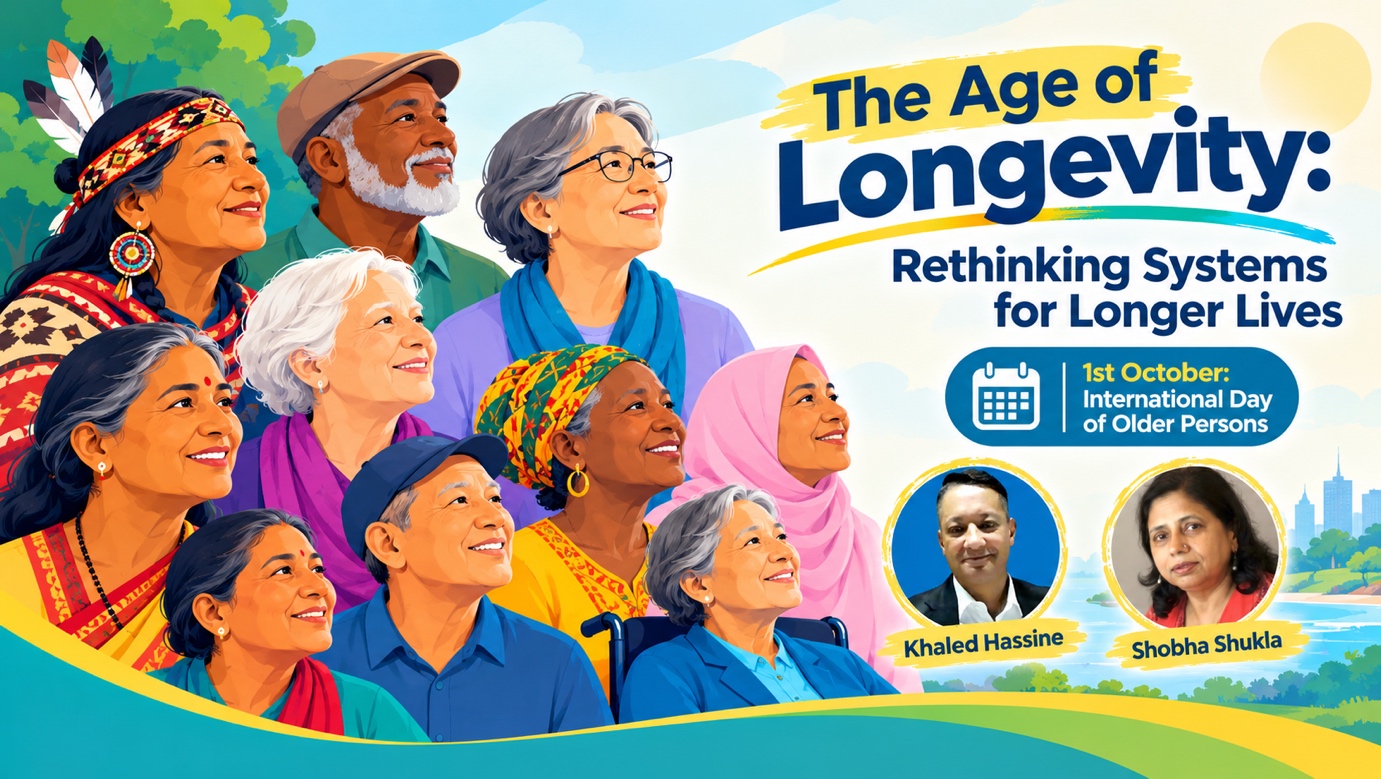
October 2026 may mark a pivotal moment in the global fight for equality and human rights for older persons. On 1st October the world observes the I
Kashmir Rejects Pakistan-Sponsored Terrorism and Propaganda. By Farooq Ganderbali
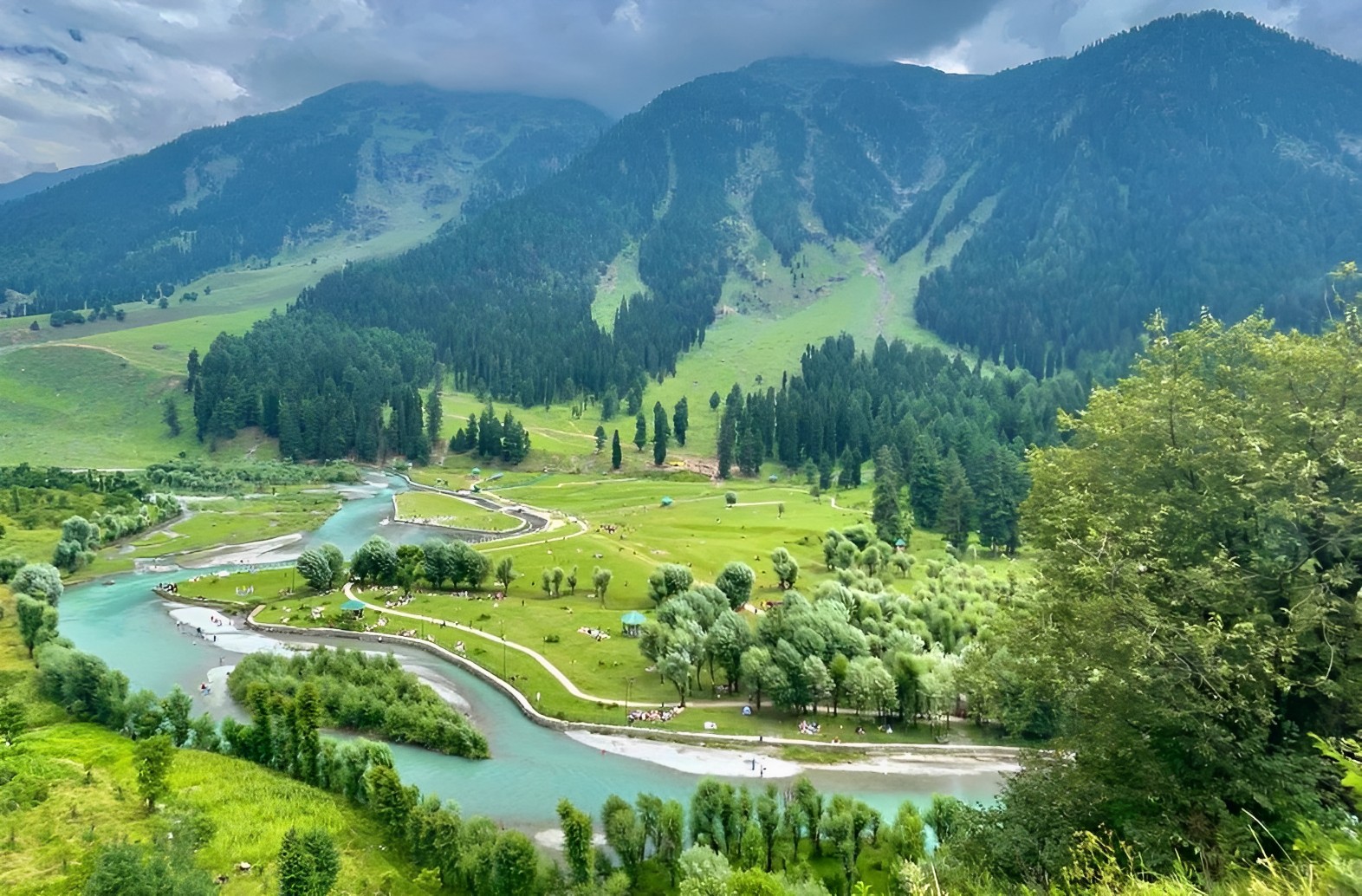
Jammu and Kashmir has witnessed one of the longest and most painful chapters of terrorism and violence in the modern history of the region. The situation changed dramatically in 1989–90, when Pakistan-backed terrorist groups entered the Valley and violence, radicalisation and anti-India propaganda began spreading across Kashmir.
Before the 1990s, Kashmir was known nationally and internationally for its natural beauty, peaceful environment, Sufi traditions, hospitality and rich culture. Tourists from across India and the world came to Kashmir to experience its mountains, lakes, gardens, shrines and unique way of life.
Terrorism changed that picture.
For decades, Pakistan-backed terrorist organisations and separatist networks attempted to create fear and division among the people. Religion was misused to influence young minds and push them towards violence. Extremist propaganda targeted Kashmir's traditional Sufi culture, religious tolerance, brotherhood and centuries-old traditions of coexistence.
The greatest victims were the people of Kashmir themselves.
Thousands of innocent people lost their lives. Families were destroyed, businesses suffered and young people lost valuable years of education and opportunities. Islamic scholars, political workers, intellectuals, security personnel and ordinary civilians were also targeted. Kashmir's social fabric was deeply damaged.
The period from 1989 to 2019 became a painful reminder of what terrorism and extremism can do to a society.
Yet Kashmir never completely lost its spirit.
The people continued to believe in peace, education, development and a better future. Gradually, the rejection of terrorism became stronger, particularly among the younger generation.
Today, a visible change can be seen across Jammu and Kashmir.
Schools, colleges and universities are functioning in a peaceful environment. Young people are participating in sports, pursuing higher education and preparing for careers. Tourism has returned with renewed strength. Women are playing a greater role in education, employment and public life. Cultural and religious activities are being celebrated with confidence.
The message from Kashmir's youth is increasingly clear: they want books, footballs, jobs, technology and tourism—not guns, violence and terrorism.
The security forces, Jammu & Kashmir Police, intelligence agencies and other institutions have played an important role in combating terrorism. The Indian Army's Operation Sadbhavana has also helped connect with communities through education, healthcare, sports and youth programmes.
Prime Minister Shri Narendra Modi's strong approach against terrorism and radicalisation has further strengthened the fight against terrorist networks and their support systems. The objective is not only to eliminate terrorists but also to weaken the propaganda and recruitment networks that attempt to mislead young people.
The transformation of Jammu and Kashmir is therefore not simply about roads, infrastructure or tourism. It is about giving the younger generation the confidence to dream again.
There is also an important contrast across the Line of Control. People in Pakistan-occupied Jammu and Kashmir have repeatedly raised demands for basic necessities such as electricity, food, healthcare, education, employment and better governance. Their demands demonstrate a simple truth: ordinary people want dignity, development and justice—not endless conflict.
Pakistan cannot claim to be the well-wisher of Kashmir while supporting an ecosystem that has brought decades of violence and suffering to the region.
The people of Jammu and Kashmir also remember the innocent tourists killed in the Pahalgam terror attack. Such attacks hurt Kashmir itself. They damage tourism, destroy livelihoods and attempt to revive an era of fear that the people of Kashmir have increasingly rejected.
Kashmir's future cannot be written by terrorists, extremist organisations or propaganda networks sitting across the border.
It must be written by its students, farmers, entrepreneurs, teachers, sportspersons, women, workers and young people.
Kashmir wants peace. Kashmir wants development. Kashmir wants tourism. Kashmir wants education and employment. Kashmir wants sports and opportunities for its youth. Kashmir wants to preserve its Sufi heritage, religious freedom and tradition of brotherhood.
After decades of terrorism and propaganda, the people of Jammu and Kashmir are showing that peace is stronger than terror and development is stronger than destruction.
The new Kashmir must remain a Kashmir of peace, unity, humanity, democracy and development—a Kashmir where the next generation grows up with hope rather than fear.
Before the 1990s, Kashmir was known nationally and internationally for its natural beauty, peaceful environment, Sufi traditions, hospitality and rich culture. Tourists from across India and the world came to Kashmir to experience its mountains, lakes, gardens, shrines and unique way of life.
Terrorism changed that picture.
For decades, Pakistan-backed terrorist organisations and separatist networks attempted to create fear and division among the people. Religion was misused to influence young minds and push them towards violence. Extremist propaganda targeted Kashmir's traditional Sufi culture, religious tolerance, brotherhood and centuries-old traditions of coexistence.
The greatest victims were the people of Kashmir themselves.
Thousands of innocent people lost their lives. Families were destroyed, businesses suffered and young people lost valuable years of education and opportunities. Islamic scholars, political workers, intellectuals, security personnel and ordinary civilians were also targeted. Kashmir's social fabric was deeply damaged.
The period from 1989 to 2019 became a painful reminder of what terrorism and extremism can do to a society.
Yet Kashmir never completely lost its spirit.
The people continued to believe in peace, education, development and a better future. Gradually, the rejection of terrorism became stronger, particularly among the younger generation.
Today, a visible change can be seen across Jammu and Kashmir.
Schools, colleges and universities are functioning in a peaceful environment. Young people are participating in sports, pursuing higher education and preparing for careers. Tourism has returned with renewed strength. Women are playing a greater role in education, employment and public life. Cultural and religious activities are being celebrated with confidence.
The message from Kashmir's youth is increasingly clear: they want books, footballs, jobs, technology and tourism—not guns, violence and terrorism.
The security forces, Jammu & Kashmir Police, intelligence agencies and other institutions have played an important role in combating terrorism. The Indian Army's Operation Sadbhavana has also helped connect with communities through education, healthcare, sports and youth programmes.
Prime Minister Shri Narendra Modi's strong approach against terrorism and radicalisation has further strengthened the fight against terrorist networks and their support systems. The objective is not only to eliminate terrorists but also to weaken the propaganda and recruitment networks that attempt to mislead young people.
The transformation of Jammu and Kashmir is therefore not simply about roads, infrastructure or tourism. It is about giving the younger generation the confidence to dream again.
There is also an important contrast across the Line of Control. People in Pakistan-occupied Jammu and Kashmir have repeatedly raised demands for basic necessities such as electricity, food, healthcare, education, employment and better governance. Their demands demonstrate a simple truth: ordinary people want dignity, development and justice—not endless conflict.
Pakistan cannot claim to be the well-wisher of Kashmir while supporting an ecosystem that has brought decades of violence and suffering to the region.
The people of Jammu and Kashmir also remember the innocent tourists killed in the Pahalgam terror attack. Such attacks hurt Kashmir itself. They damage tourism, destroy livelihoods and attempt to revive an era of fear that the people of Kashmir have increasingly rejected.
Kashmir's future cannot be written by terrorists, extremist organisations or propaganda networks sitting across the border.
It must be written by its students, farmers, entrepreneurs, teachers, sportspersons, women, workers and young people.
Kashmir wants peace. Kashmir wants development. Kashmir wants tourism. Kashmir wants education and employment. Kashmir wants sports and opportunities for its youth. Kashmir wants to preserve its Sufi heritage, religious freedom and tradition of brotherhood.
After decades of terrorism and propaganda, the people of Jammu and Kashmir are showing that peace is stronger than terror and development is stronger than destruction.
The new Kashmir must remain a Kashmir of peace, unity, humanity, democracy and development—a Kashmir where the next generation grows up with hope rather than fear.
You May Also Like

Federal anti-terrorism command center, with a big screen and radar surveillance used for reconnaissance on satellite system.
Federal anti

Some deaths merely close the chapter of a life. Others transform an entire existence into an everlasting trust. The passing of Quaid-e-Azam Muhamma


PCP need your support that we may provide you better services: click on donate


"Trial of Pakistani Christian Nation" By Nazir S Bhatti
On demand of our readers, I have decided to release E-Book version of "Trial of Pakistani Christian Nation" on website of PCP which can also be viewed on website of Pakistan Christian Congress www.pakistanchristiancongress.org . You can read chapter wise by clicking tab on left handside of PDF format of E-Book.