

Gujranwala, Pakistan: The survival and stability of any civilized, democratic society depend on the extent to which the rule of law is established.
Christian Family Laws Bill 2026: Legal, Constitutional, Religious and Social Implications. By: Professor Arif Pervez Naqeeb
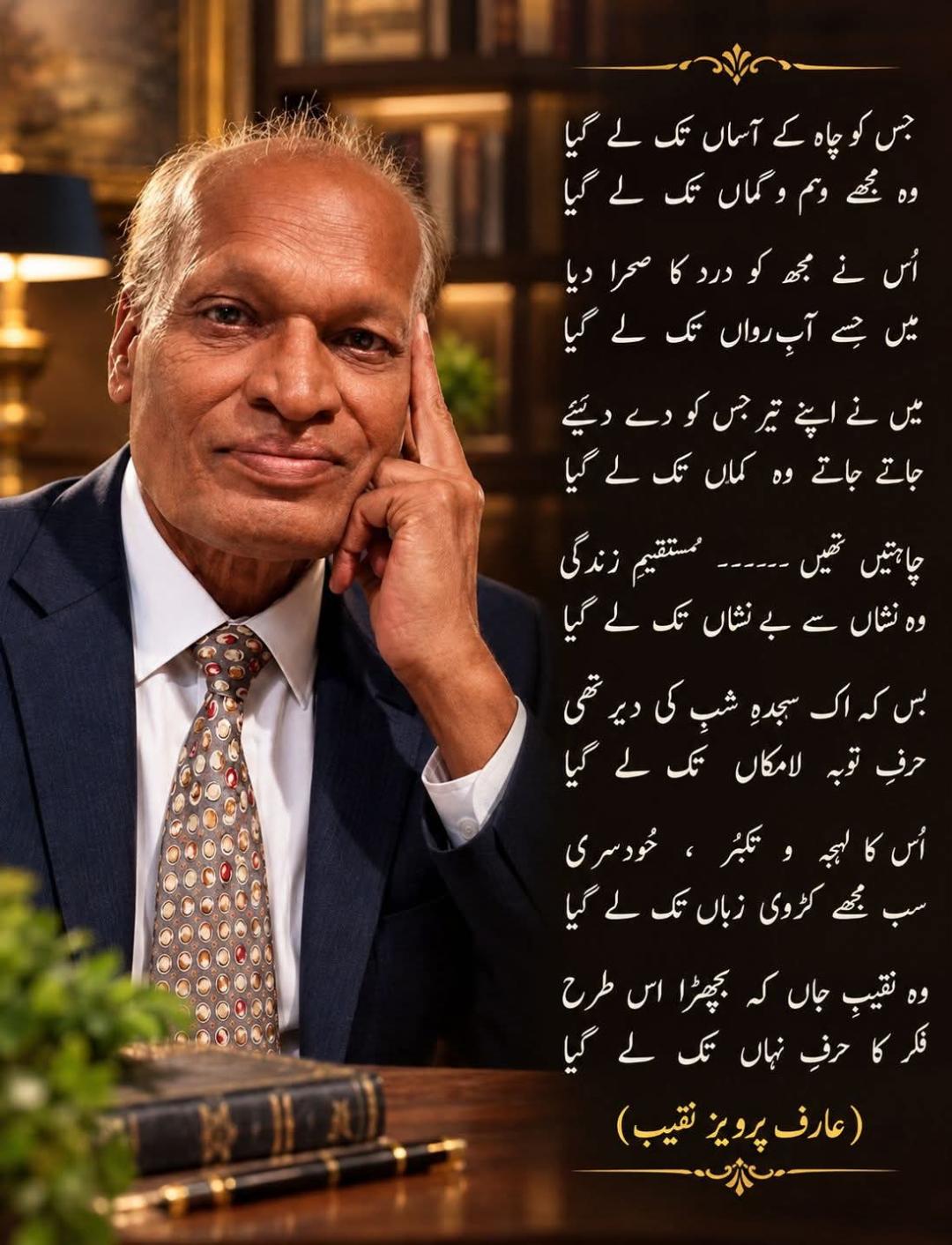
Karachi, Pakistan: The issue of Christian family laws in Pakistan has a long historical, legal and religious background. Laws enacted during the British colonial period continue to regulate various aspects of the marital and family lives of Christian citizens, including marriage, divorce and related family matters. Over time, significant changes have taken place in social values, human rights, the legal status of women and the protection of children. In this context, the need to review and reform these laws in accordance with contemporary requirements has become an important national and social concern for the Christian community.
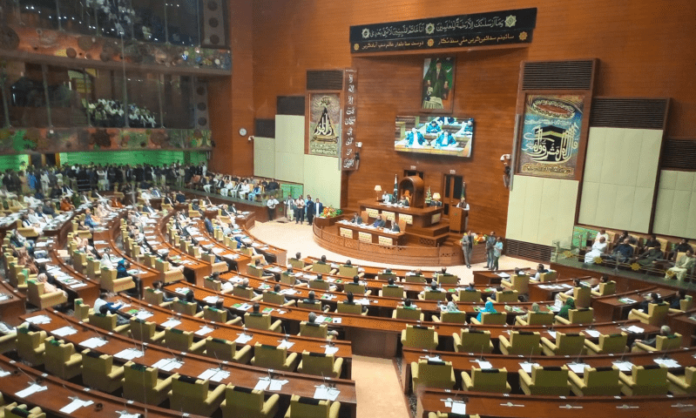
The Christian Family Laws Bill 2026, introduced in the Sindh Assembly, represents an important development in this ongoing debate. On the one hand, the Bill has raised hopes for legal reforms within the Christian community; on the other, it has also raised several questions concerning religious freedom, ecclesiastical autonomy, constitutional powers and the consultative process.
The purpose of this research paper is not to adopt an emotional position either in favour of or against the Bill. Rather, it aims to provide an impartial assessment of its potential implications and highlight the need for a legal framework that is consistent with the principles of human dignity, equality, religious freedom and family protection.
1. Historical Background of Christian Family Laws
The foundation of Christian family laws in Pakistan largely rests upon legislation enacted during the British colonial period. Two principal laws are particularly significant:
1. The Divorce Act, 1869: A law governing divorce and the legal dissolution of marital relationships between Christian citizens.
2. The Christian Marriage Act, 1872: A law regulating the solemnisation of Christian marriages, religious ceremonies and marriage registration.
These laws were enacted in accordance with the social and legal requirements of their respective historical periods. However, in the modern era, certain provisions and legal interpretations have increasingly been considered in need of review.
In particular, the difficulties faced by women in obtaining divorce, the minimum legal age for marriage, consent, marital rights and child custody are matters that require legal reforms.
It is also important to recognise that reforming colonial-era legislation does not simply mean repealing old laws. Rather, it requires establishing a legal system that is compatible with contemporary social realities and constitutional requirements.
2. Introduction and Significance of the Christian Family Laws Bill 2026
Private Bill No. 05 of 2026, introduced in the Sindh Assembly, has initiated a new debate concerning the reform of Christian family laws.
The significance of this Bill is further enhanced by the fact that the Christian community has long been demanding reforms to its family laws to ensure the protection of the fundamental rights of women, children and all members of the family.
The major issues under discussion in connection with the Bill include the minimum age of marriage, the consent of the parties, marriage registration, divorce, judicial separation, maintenance, child custody and protection against marital violence.
The fundamental objective of these proposals is to establish a legal framework in which the rights and responsibilities associated with married life can be defined in a clearer and fairer manner.
However, the final legal status and practical application of these proposals must be determined in light of the complete and authentic text of the Bill and any amendments duly approved.
3. Women's Rights and Legal Equality
In any civilised society, the protection of women's rights is a fundamental responsibility of the law. In the context of Christian family laws, this issue is particularly important because historical legal provisions and certain interpretations have created difficulties for women seeking divorce.
If the proposed legislation provides both men and women with fair and equal legal opportunities to dissolve a marital relationship, this would constitute a positive legal reform.
However, the concept of legal equality should not be restricted merely to the right to seek divorce. It should also include the following:
- Free and informed consent to marriage.
- Protection against violence and coercion within marriage.
- Financial support and maintenance.
- Women's legal and financial rights following separation.
- Shared parental responsibility for the maintenance and education of children.
- Effective legal assistance for women during judicial proceedings.
It is also essential that the law should not assign an inferior or unequal legal status to either party solely on the basis of gender.
4. Children's Rights and Family Stability
The interests of children must be given central importance in the reform of Christian family laws.
In cases of divorce or separation, children are often among those most severely affected. Their education, residence, mental development, financial support and emotional security cannot be made subordinate merely to disputes between their parents.
According to the United Nations Convention on the Rights of the Child, the best interests of the child must be a primary consideration in all decisions concerning children.
Therefore, any new family law must contain clear and enforceable provisions concerning child custody, visitation rights, education, healthcare and financial maintenance.
Similarly, preventing child marriage is an important social and human rights concern. If the proposal includes fixing the minimum marriage age at 18 years for both genders, an effective system of registration, public awareness and legal monitoring must also be established to ensure its implementation.
5. Religious Teachings and Ecclesiastical Autonomy
The most sensitive aspect of the Christian Family Laws Bill concerns its religious and ecclesiastical implications.
In Christian teachings, marriage is regarded not merely as a civil contract but also as a sacred covenant. The importance of marital unity is reflected in Genesis 2:24 and Matthew 19:6 of the Holy Bible.
However, different Christian denominations have different religious interpretations and principles regarding marriage, divorce and remarriage.
For example, the Roman Catholic Church regards marriage as a sacred sacrament and a lifelong covenant, whereas various Protestant churches hold differing theological views regarding divorce and remarriage under specific circumstances.
In view of this diversity, it is essential to establish a clear distinction between state authority and ecclesiastical jurisdiction.
The state has the authority to regulate the civil rights of citizens, marriage registration, maintenance, child protection and judicial matters. However, it should not be considered competent to determine religious beliefs, sacraments or ecclesiastical principles of worship.
A fundamental principle should be kept in view:
Civil law may determine the legal consequences of a marital relationship, but the religious status of an ecclesiastical sacrament falls within the jurisdiction of the relevant religious institution.
This principle can help establish a balance between religious freedom and civil rights.
6. Article 20 of the Constitution of Pakistan and Religious Freedom
Article 20 of the Constitution of Pakistan guarantees every citizen the right to profess, practise and propagate their religion, and grants religious denominations and institutions the right to manage their religious affairs, subject to law, public order and morality.
The importance of this constitutional provision is fundamental in the context of Christian family laws.
If any legislation requires religious institutions to perform an act contrary to their religious principles, constitutional questions concerning religious freedom may arise.
Therefore, the following questions are important when examining the Bill:
1. Does the Bill protect the religious autonomy of churches?
2. Can a religious minister be compelled to perform a religious ceremony against his or her conscience and beliefs?
3. Is a clear distinction established between civil marriage and ecclesiastical marriage, including their legal and religious dimensions?
4. Are the religious identities, traditions and practices of different Christian denominations adequately protected?
These questions must be answered through a clause-by-clause examination of the proposed legislation.
7. Federal and Provincial Legislative Authority
An important constitutional debate concerning the Bill relates to the distribution of legislative powers between the federal and provincial governments.
Following the 18th Constitutional Amendment, provincial legislative powers were significantly expanded. However, determining the extent of provincial legislative authority over family laws, the scope of existing federal legislation and the relationship between federal and provincial laws remains a complex legal matter.
In this regard, it is necessary to examine Article 142 of the Constitution, the relevant legislative lists and the relationship between federal and provincial legislation under Article 143.
In particular, it is important to determine whether the Sindh Assembly has the constitutional authority to amend existing federal Christian family laws or introduce new provincial legislation in their place, and how such legislation would relate to the legal systems operating in other provinces.
The opinions of constitutional experts and judicial interpretations should be given fundamental importance in this matter.
8. Judicial Developments and the Issue of Section 7
Section 7 of the Divorce Act, 1869, holds significant importance in the history of Christian family laws.
During the era of General Zia-ul-Haq, this section was deleted in 1981, resulting in difficulties for Christian citizens concerning the legal grounds for obtaining divorce.
The judicial development reported in November 2026 concerning the restoration of Section 7 by the Sindh High Court has further increased the significance of this debate.
The fundamental issue underlying this development is whether Christian citizens can be restricted to a specific allegation or a limited set of legal grounds when seeking the dissolution of their marital relationships.
The significance of this judicial matter relates to the principles of human dignity, personal liberty, religious freedom and legal equality.
However, no definitive opinion should be expressed regarding the scope or application of the judgment without examining its complete text, legal reasoning and final order.
9. Consultation Process and Representation of the Christian Community
In legislation concerning any religious minority, genuine and effective representation of the concerned community is of fundamental importance.
Different opinions have emerged within the Christian community regarding the Christian Family Laws Bill 2026. Some groups consider it an opportunity to reform outdated laws, while certain religious institutions and legal experts have expressed reservations regarding its religious, constitutional and legal implications.
Such differences are natural in a democratic society, provided that they are addressed through scholarly and respectful dialogue.
The consultation process should include the participation of the following groups:
- Leaders of Roman Catholic and Protestant churches.
- Representatives of the Church of Pakistan and other Christian denominations.
- Christian constitutional and legal experts.
- Christian women's organisations.
- Social activists and human rights organisations.
- Christian educators, researchers and intellectuals.
- Families who have personally experienced difficulties arising from family laws.
The purpose of consultation should not merely be to obtain approval. Rather, it should be to understand the concerns of all stakeholders and identify practical solutions.
10. Potential Negative Implications of the Proposed Legislation
If legislation is enacted without proper consultation, constitutional scrutiny and respect for religious diversity, several negative consequences may arise.
First, religious differences among various Christian denominations may become more intense.
Second, unnecessary conflict may emerge between state legislation and ecclesiastical autonomy.
Third, legal ambiguity may arise concerning the relationship between federal and provincial laws.
Fourth, the existence of different legal systems in different provinces may result in inconsistency in the application of rights to Christian citizens.
Fifth, an inadequately drafted law may lead to future litigation and constitutional complications.
These potential risks should not be regarded as grounds for opposing legal reform. Rather, they demonstrate the need for better, more comprehensive and inclusive legislation.
11. Recommendations and Proposed Reforms
In light of the above analysis, the following recommendations are proposed:
1. Clause-by-Clause Review: Every provision of the Bill should be examined in the light of the Constitution of Pakistan, existing laws and human rights principles.
2. Comprehensive Consultation: All major Christian churches, religious denominations, women, legal experts and social representatives should be included in the consultation process.
3. Ecclesiastical Autonomy: The jurisdiction concerning religious ceremonies, sacraments and ecclesiastical decisions should be clearly distinguished from civil law.
4. Protection of Women and Children: Effective provisions should be incorporated to ensure maintenance, child custody, education, financial support and protection against domestic violence.
5. Constitutional Compatibility: An authoritative constitutional opinion should be obtained regarding the distribution of federal and provincial legislative powers.
6. Financial and Administrative Assessment: A financial assessment should be presented covering implementation costs, judicial resources and the marriage registration system.
7. Legal Awareness: The Christian community should be provided with legal awareness regarding marriage, divorce, separation and children's rights.
8. National Uniformity: The possibility of developing a coordinated and uniform national legal framework should be examined through consultation with other provinces.
9. Transparent Legislation: All objections, proposals, amendments and committee recommendations should be documented and made part of the public record.
12. Conclusion
The Christian Family Laws Bill 2026 represents an important legal and social turning point for Pakistan's Christian community. The Bill has initiated a debate that extends beyond marriage and divorce to include religious freedom, civil equality, women's rights, children's protection, ecclesiastical autonomy and constitutional powers.
It is important to acknowledge that reforming colonial-era legislation is an essential requirement of the present time. However, the success of reform should not be measured merely by the introduction of new legislation. The real standard should be the extent to which the new law ensures justice, human dignity, religious freedom and family protection.
It would be inappropriate to place the rights of Christian women and ecclesiastical autonomy in opposition to one another. A balanced legal framework can protect both.
Similarly, those opposing the Bill should not deny the need for reforms, while those supporting it should not disregard religious and constitutional concerns.
True legislation is that which transforms disagreement into dialogue rather than suppressing it, protects the vulnerable, respects religious freedom and recognises justice as a fundamental right of every citizen.
Therefore, the appropriate approach towards the Christian Family Laws Bill 2026 is neither blind support nor unconditional opposition. Rather, it is the formulation of comprehensive, fair and workable legislation through transparent consultation, constitutional scrutiny, religious respect and clause-by-clause review.
References and Primary Sources
1. Constitution of the Islamic Republic of Pakistan, particularly Articles 9, 14, 20, 25, 142 and 143.
2. The Divorce Act, 1869.
3. The Christian Marriage Act, 1872.
4. The Guardians and Wards Act, 1890.
5. The Family Courts Act, 1964.
6. United Nations Convention on the Rights of the Child, 1989.
7. Sindh Assembly, Private Bill No. 05 of 2026, The Sindh Christian Family Laws Bill, 2026.
8. Sindh High Court judgment concerning Section 7 of the Divorce Act, 1869, reportedly delivered in November 2026; subject to verification of the complete judicial text.
9. Written positions and consultation recommendations submitted by Christian churches, legal organisations and social organisations.
Research Caution
This paper analyses the objectives and potential implications of the Bill. It should not be considered a definitive legal interpretation of every provision of the proposed legislation. Before publication, all references should be verified against the original text of the Bill, the proceedings of the Standing Committee and the certified judgment of the Sindh High Court.
Important Research Points for the Paper
Three references deserve particular attention in light of the latest available documents:
1. Official Notification of the Sindh Assembly: Bill No. 05 was referred to the Standing Committee on Minorities Affairs on 8 September 2026.
2. Proceedings of the Standing Committee: During September and October, consultations continued with representatives of various Christian churches, religious leaders and legal experts.
3. Sindh High Court Judgment: The case of Peter Jacob & Others v. Federation of Pakistan, reported as 2026 SHC KHI 2313, dated 24 November 2026. The Court restored Section 7 of the Divorce Act, 1869, in Sindh.
Special Significance: This judicial judgment and the proposed Bill should be examined as two separate but legally interconnected developments.
Professor Arif Pervez Naqeeb
Karachi, Pakistan
[11/26, 16:25] Arif pervez naqeeb networ: Decolonizing Christian Family Laws Bill 2026
A Programme for Discussion on the Proposed Bill: Its Benefits and Implications.
On Monday, 23 November 2026, a programme was jointly organized in Karachi through the collaborative efforts of the **Pakistan Christian Writers Guild, Tehleem School of Church Music and Worship, and Weekly Kahanat** to invite recommendations and deliberate on the potential benefits and implications of the proposed *Decolonizing Christian Family Laws Bill 2026*.
In addition to the keynote speaker, Reverend Dr. Eric Sarwar, who travelled from the United States to attend the programme, six speakers were selected to present their respective viewpoints, with three speakers representing the arguments in favour of the proposed Bill and three presenting arguments against it.
The speakers selected to support the Bill were:
1. *Ms. Pastor Ghazala Shafiq*
2. *Reverend Dr. Moazzam John*
3. *Mr. Luke Victor*
The speakers selected to oppose the Bill were:
1. *Mr. Evengelist Julius Faheem*
2. *Mr. Zeeshan Ijaz, Advocate*
3. *Mr. Shabbir Shafqat*
4. a well-known social and political figure.
The programme was scheduled to commence at 3:00 PM. However, all three speakers representing the position in favour of the Bill withdrew from the programme and expressed their inability to participate.
The discussion and analysis of the proposed Bill are now presented in the form of a research paper for your consideration.
You May Also Like
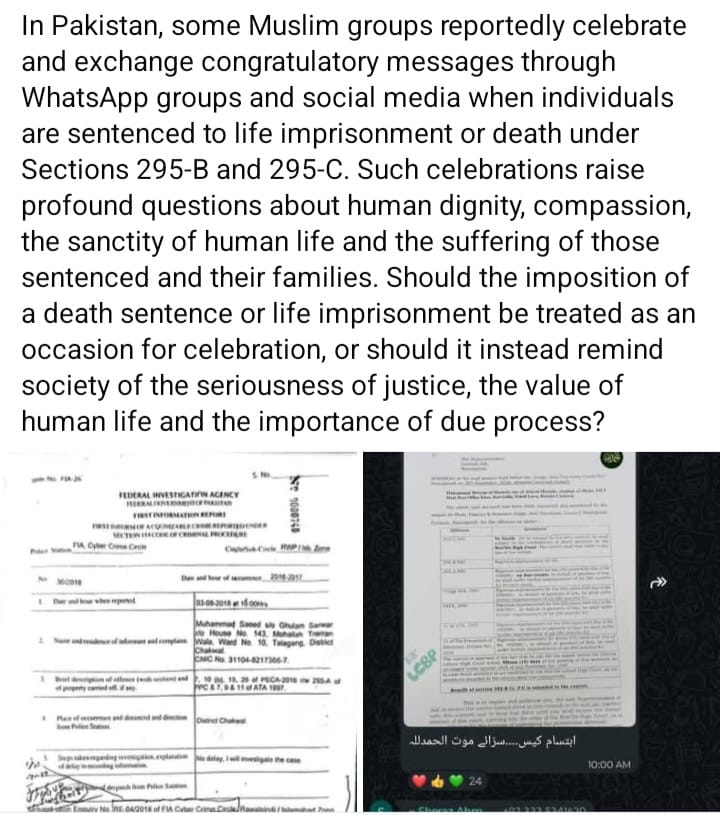
Karachi, Pakistan: Christian Lawyers Forum’s CLF calls for a comprehensive review of the Bill, particularly considering the following concern
Rawalpindi, Pakistan: RELIGIOUS PROTECTION FOR ALL OR SELECTIVE JUSTICE? Sardar Mushtaq Gill, Human Rights Defender and Lawyer, raises serious huma


PCP need your support that we may provide you better services: click on donate


"Trial of Pakistani Christian Nation" By Nazir S Bhatti
On demand of our readers, I have decided to release E-Book version of "Trial of Pakistani Christian Nation" on website of PCP which can also be viewed on website of Pakistan Christian Congress www.pakistanchristiancongress.org . You can read chapter wise by clicking tab on left handside of PDF format of E-Book.