
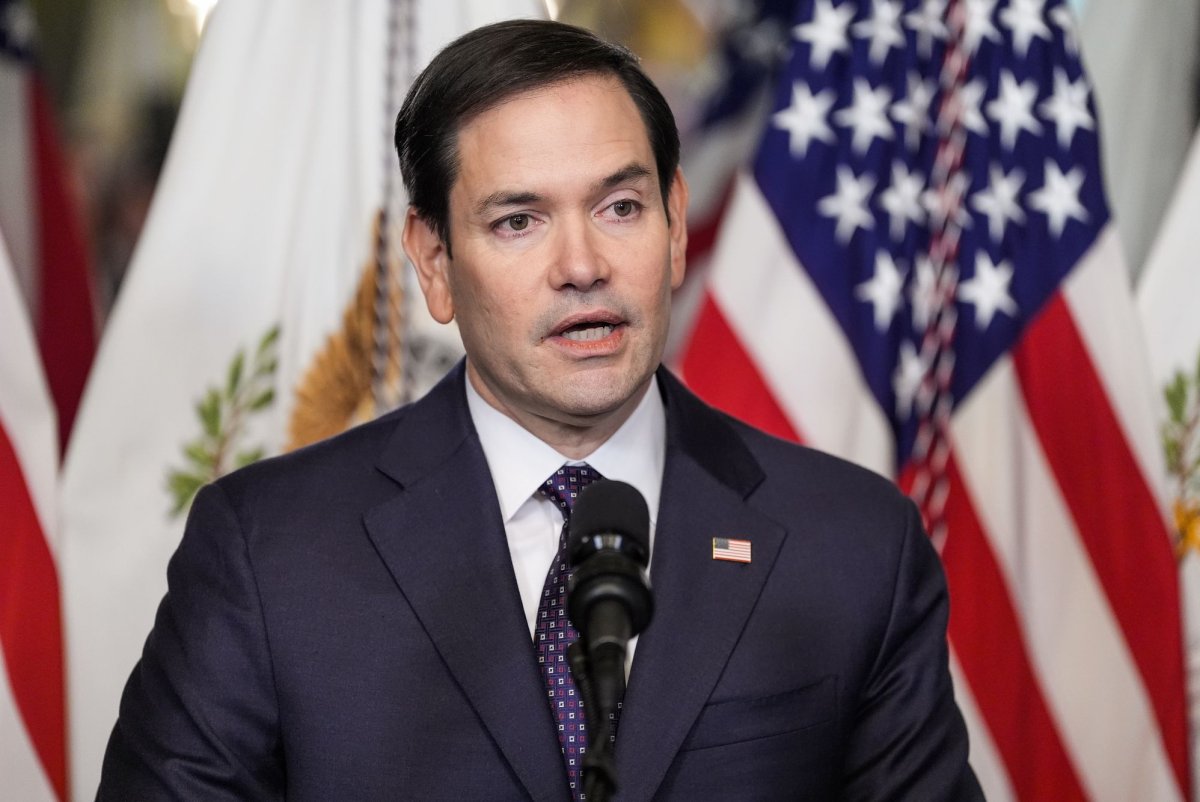
This refers to Secretary Rubio’s forthcoming visit to India which has triggered happy talks and good-wishes among commentators in Indian medi
Transforming the Administering of Charities (Church Restoration Series XXIV) By Father Anand Muttungal

The charities are operated for many different purposes but all of them have the common desire to do the best for their beneficiaries. To achieve this one point agenda, it is vital for the people who run such organizations to keep asking the questions: "What have we achieved?" and "how can we improve?" A clear study of the Church charities would make clear that most of the organizations neither ask these questions to themselves nor allow its beneficiaries to ask.
We need to correctly understand the charities from the point of Indian legal system. India has evolved a series of legislations which address the field of voluntary non-profit sector in different ways. The Article 19 of the Indian Constitution gives right "to freedom to form associations or unions". Various legal provisions prevalent in the country emanate from the aforesaid Article of the Constitution. The Article 43(B) of Indian Constitution states, “The State shall endeavour to promote voluntary formation, autonomous functioning, democratic control and professional management of co-operative societies”. But all these are subjected to “reasonable restrictions” as in Article 19(4) of the Constitution. All the state laws to help smooth functioning of the charities are based on above mentioned legal aspects. The personal laws of minorities and majorities are not applicable to laws that govern the charity organizations.
A study on the Catholic Church run non-profit organizations would reveal that a good number of NGOs/institutions of Church are charitable and voluntary to the extent of that the Church personal appointed in those organizations are not receiving salary on roll. Giving exceptions to the educational schools of the regional languages, dispensaries run in remote villages, centres running job oriented programmes and Churches with small number of families, it would be right to say that all other institutions and Churches with large number of families are working on the principle of maximum excess income. The donations and excess income generated in these institutions are governed by the law of this country not by the personal law. It has been made clear in Can. 22 and Can. 1284/2 (2) that the Church has to follow the civil law in administering the properties/income generated from all sources. It may be worth mentioning here that the Can. 1267 clearly mandates that even the gifts or donations received by Church personals in their personal capacity too has to be accounted.
The Church has clear policies of accountability. It is not the policy of the universal Church to hide the audited statements of societies, institutions, churches and gifts received by the high ranking Church hierarchies from members of the society and Churches. Hiding information from public is the decision of the individuals who controls the organizations not divine dictate. So any action initiated to bring back these organizations to its original purpose will not be against the plan of God to transform the Church.
May be with a few exceptions, all the institutions and Churches run by the Catholic Church are founded from the donations received at various times. Therefore members of the Catholic Church have its first claim of benefits from them and a place in its decision making bodies. If these societies or institutions are drifting away from the primary beneficiaries then it is our duty to find ways to bring them back to its original purpose of founding them. It is easy to criticise the Church and its institutions but it is difficult to use Indian legal options to accelerate the plan of God to transform the Church. The socio-political leadership is afraid of initiating any reformation in the Church, so legal option is the only way to initiate transparency and transformation in the Indian Church. In this background it will not be an exaggeration to state that such efforts or interventions will not be less than the vocation of the prophets and apostles mentioned in the Bible.
To know more about the author www.franand.com
We need to correctly understand the charities from the point of Indian legal system. India has evolved a series of legislations which address the field of voluntary non-profit sector in different ways. The Article 19 of the Indian Constitution gives right "to freedom to form associations or unions". Various legal provisions prevalent in the country emanate from the aforesaid Article of the Constitution. The Article 43(B) of Indian Constitution states, “The State shall endeavour to promote voluntary formation, autonomous functioning, democratic control and professional management of co-operative societies”. But all these are subjected to “reasonable restrictions” as in Article 19(4) of the Constitution. All the state laws to help smooth functioning of the charities are based on above mentioned legal aspects. The personal laws of minorities and majorities are not applicable to laws that govern the charity organizations.
A study on the Catholic Church run non-profit organizations would reveal that a good number of NGOs/institutions of Church are charitable and voluntary to the extent of that the Church personal appointed in those organizations are not receiving salary on roll. Giving exceptions to the educational schools of the regional languages, dispensaries run in remote villages, centres running job oriented programmes and Churches with small number of families, it would be right to say that all other institutions and Churches with large number of families are working on the principle of maximum excess income. The donations and excess income generated in these institutions are governed by the law of this country not by the personal law. It has been made clear in Can. 22 and Can. 1284/2 (2) that the Church has to follow the civil law in administering the properties/income generated from all sources. It may be worth mentioning here that the Can. 1267 clearly mandates that even the gifts or donations received by Church personals in their personal capacity too has to be accounted.
The Church has clear policies of accountability. It is not the policy of the universal Church to hide the audited statements of societies, institutions, churches and gifts received by the high ranking Church hierarchies from members of the society and Churches. Hiding information from public is the decision of the individuals who controls the organizations not divine dictate. So any action initiated to bring back these organizations to its original purpose will not be against the plan of God to transform the Church.
May be with a few exceptions, all the institutions and Churches run by the Catholic Church are founded from the donations received at various times. Therefore members of the Catholic Church have its first claim of benefits from them and a place in its decision making bodies. If these societies or institutions are drifting away from the primary beneficiaries then it is our duty to find ways to bring them back to its original purpose of founding them. It is easy to criticise the Church and its institutions but it is difficult to use Indian legal options to accelerate the plan of God to transform the Church. The socio-political leadership is afraid of initiating any reformation in the Church, so legal option is the only way to initiate transparency and transformation in the Indian Church. In this background it will not be an exaggeration to state that such efforts or interventions will not be less than the vocation of the prophets and apostles mentioned in the Bible.
To know more about the author www.franand.com
You May Also Like
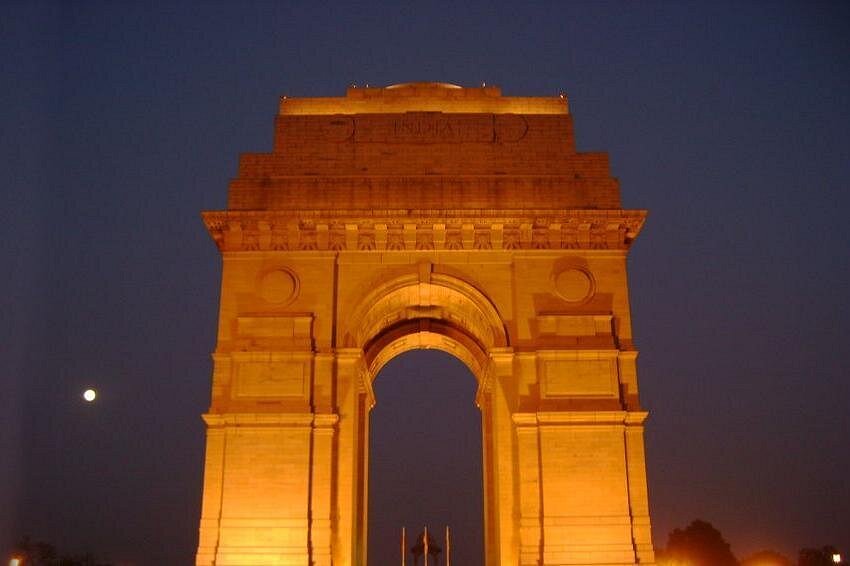
India is arguably the oldest civilization of the world but it is difficult to believe that how such a vast civilization was invaded and ruled by fo

Jammu & Kashmir is moving forward with a new spirit of hope, confidence and ambition. Today, the youth of Kashmir are making their mark in spor


PCP need your support that we may provide you better services: click on donate


"Trial of Pakistani Christian Nation" By Nazir S Bhatti
On demand of our readers, I have decided to release E-Book version of "Trial of Pakistani Christian Nation" on website of PCP which can also be viewed on website of Pakistan Christian Congress www.pakistanchristiancongress.org . You can read chapter wise by clicking tab on left handside of PDF format of E-Book.