
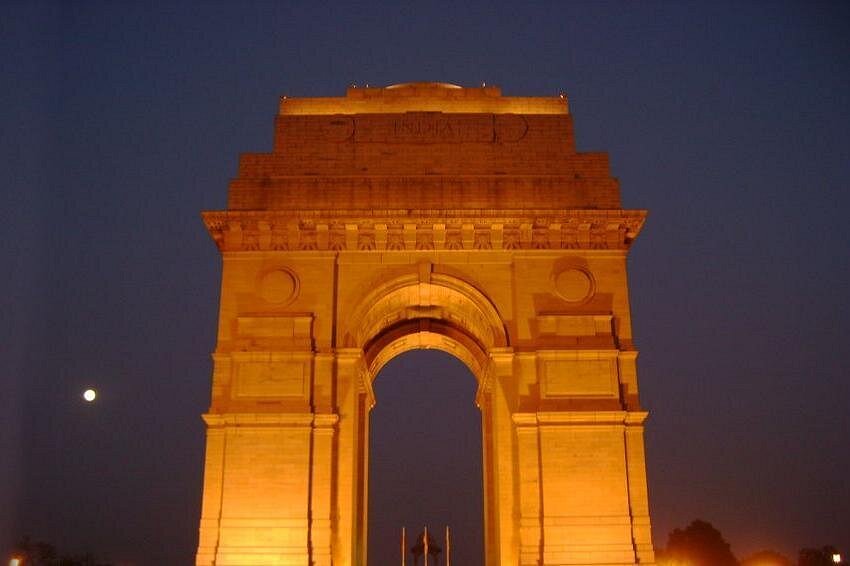
India is arguably the oldest civilization of the world but it is difficult to believe that how such a vast civilization was invaded and ruled by fo
Politics in Pakistan has always been dominated by elites. By Farooq Ganderbali
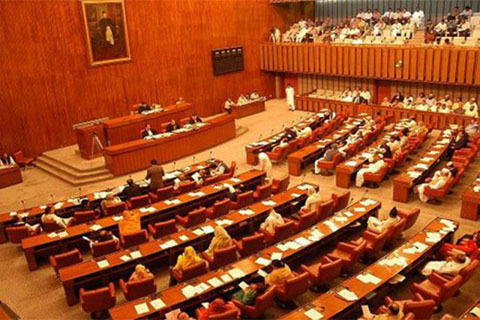
Pakistan is among the poorest nations in the world, though oxymoronically it is rich in natural resources. The reality is that almost 40 percent of the people in Pakistan live in extreme poverty. The Human Development Index ranks Pakistan 147th out of 188 countries for 2016. According to several reports, there are a number of reasons why Pakistan is poor.
First is the fundamental flaw in Pakistan’s political system. Politics in Pakistan has always been dominated by the elites. These elites comprise politicians, generals and bureaucrats (the ruling oligarchy). Many politicians come from large land-owning families or very rich industrial backgrounds. They share key common interests and together look after each other, neglecting common people’s interests. The elites in Pakistan are also involved in corruption.
The absence of real democracy as it remains an illusion for many due to the lack of proper, meaningful and non-discriminatory representation for all regions in decision-making. The absence of democracy and lack of political development in Pakistan are a consequence of direct and indirect military rule. The military has dominated politics from the early years of the country’s independence because it was the most powerful and organized institution.
Furthermore, empowering Islam over secular ideals in a country which is much more diverse culturally by the military establishment has not only created a fictitious national unity but stunted even further, the democratic and economic development. The use of religious proxies against Bengalis dates back to 1971, then in Afghanistan against the Soviets during the 1980s. Additionally, their involvement in Afghanistan for countering India in the past two decades, have brought home only conflict and violence.
In Pakistan’s context, violent conflicts and pervasive poverty are very much interlinked. Unfortunately, extreme poverty motivates the country’s disaffected youth to join forces with terrorist organizations which desire to establish the Sharia rule in Pakistan.
Religious and secular violence plague the nation. As of 2015, Pakistan spends only 2.6 percent of total GDP on education, which is the lowest in South Asia. In 1997, it was 3 percent, the highest in the country’s history. As a consequence of this low expenditure overall, more than half of the country’s population is uneducated. And hundreds of thousands of poor children are out of school. In contrast, the country spends the largest part of its national expenditures on defense. A May 2017 report shows that Pakistan’s defense expenditure in the financial year (2017-18) was around 7 percent higher than it was a year before. Pakistan invests more in present conflicts than development towards a better future.
First is the fundamental flaw in Pakistan’s political system. Politics in Pakistan has always been dominated by the elites. These elites comprise politicians, generals and bureaucrats (the ruling oligarchy). Many politicians come from large land-owning families or very rich industrial backgrounds. They share key common interests and together look after each other, neglecting common people’s interests. The elites in Pakistan are also involved in corruption.
The absence of real democracy as it remains an illusion for many due to the lack of proper, meaningful and non-discriminatory representation for all regions in decision-making. The absence of democracy and lack of political development in Pakistan are a consequence of direct and indirect military rule. The military has dominated politics from the early years of the country’s independence because it was the most powerful and organized institution.
Furthermore, empowering Islam over secular ideals in a country which is much more diverse culturally by the military establishment has not only created a fictitious national unity but stunted even further, the democratic and economic development. The use of religious proxies against Bengalis dates back to 1971, then in Afghanistan against the Soviets during the 1980s. Additionally, their involvement in Afghanistan for countering India in the past two decades, have brought home only conflict and violence.
In Pakistan’s context, violent conflicts and pervasive poverty are very much interlinked. Unfortunately, extreme poverty motivates the country’s disaffected youth to join forces with terrorist organizations which desire to establish the Sharia rule in Pakistan.
Religious and secular violence plague the nation. As of 2015, Pakistan spends only 2.6 percent of total GDP on education, which is the lowest in South Asia. In 1997, it was 3 percent, the highest in the country’s history. As a consequence of this low expenditure overall, more than half of the country’s population is uneducated. And hundreds of thousands of poor children are out of school. In contrast, the country spends the largest part of its national expenditures on defense. A May 2017 report shows that Pakistan’s defense expenditure in the financial year (2017-18) was around 7 percent higher than it was a year before. Pakistan invests more in present conflicts than development towards a better future.
You May Also Like
Jammu & Kashmir is moving forward with a new spirit of hope, confidence and ambition. Today, the youth of Kashmir are making their mark in spor
India’s claim to democratic greatness rests on its vast electorate, constitutional framework and extraordinary diversity. Yet democracy is me


PCP need your support that we may provide you better services: click on donate


"Trial of Pakistani Christian Nation" By Nazir S Bhatti
On demand of our readers, I have decided to release E-Book version of "Trial of Pakistani Christian Nation" on website of PCP which can also be viewed on website of Pakistan Christian Congress www.pakistanchristiancongress.org . You can read chapter wise by clicking tab on left handside of PDF format of E-Book.