

Nigeria is preparing to take centre-stage in the global fight against drug resistance or antimicrobial resistance (AMR), with the Federal Governmen
Wrinkle UN at 80. By Mohammad Khaku
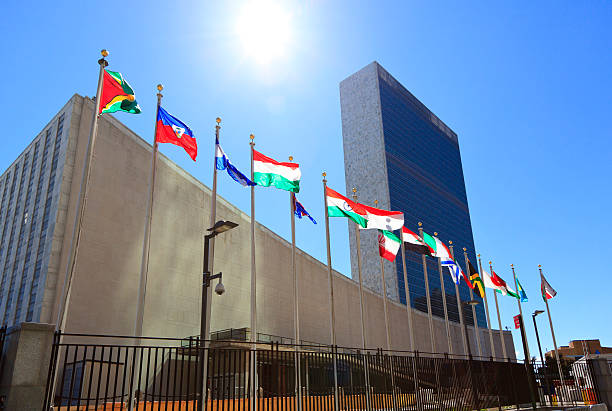
With little to celebrate as the UN marks its 80th anniversary & its global influence wanes, the question remains: can the organization survive & stay relevant in a world that is increasingly contentious and fragmented?
The 80th session of the United Nations General Assembly typically begins in September, with opening statements from heads of state traditionally starting on the third Tuesday of the month, which this year falls on September 16th. Established after the destruction of World War II, the UN was founded as a global effort to foster peace, prevent conflicts, and shield future generations from the horrors of war.
The United Nations, with its 193 member states, celebrated the signing of its foundational UN Charter on June 26, 1945, in San Francisco. After ratification, the UN was officially established on October 24, marking this October as its 80th anniversary. However, doubts about its effectiveness, credibility, and future continue to grow. Despite its long legacy of peacekeeping and diplomacy, many feel it struggles to stay relevant in a world divided by conflicts and dominated by powerful colonial influences.
As the United Nations marks its 80th anniversary, it faces a challenging period, grappling with a complex crisis and criticism over its inaction during the Gaza genocide, largely due to the veto power of its council. Once a beacon of diplomacy, dedicated to promoting negotiation over force, maintaining peace, and upholding international law, the institution now shows signs of wear. With diminished influence and budget struggles, the UN endures heavy criticism in a polarized and conflict-ridden world shaped by Anglo-Saxon imperialism, colonialism, and Zionist dominance.
For eight decades, it has served as a forum for adversaries and foes to voice their grievances. However, the 23-month-long genocide in Gaza by Zionists underscores one of its most significant failures. Why couldn’t the UN halt the Zionist offensive? The veto power wielded by colonial powers is a key reason. To understand the extensive list of UN shortcomings, it’s essential to consider the context of its creation. Born out of the ashes of World War II, the UN was officially established in October 1945, a conflict primarily among European nations.
The UN faces numerous challenges, such as Russian aggression in Ukraine, the Indian occupation of Kashmir, and crises in Iraq, Libya, Afghanistan, Syria, Gaza, Lebanon, Yemen, Somalia, Sudan, Myanmar, and the struggles of the Uyghurs, along with various issues across Africa and South America. While it represents the collective will of 193 member states, its structure poses significant difficulties. The two main organs, the General Assembly and the Security Council, are not equally powerful, as most decision-making authorities lie with the Security Council. In the General Assembly, each member has one vote, but its influence is limited.
The real power lies with the 15-member Security Council, where five permanent members hold veto authority and make the key decisions. It's unclear and never justified why these five nations get to decide for the whole world. Unfortunately, the global system is dominated by these veto-holding countries, who enforce, or disregard international and humanitarian laws based on their own interests.
The General Assembly, reflecting global perspectives, should have enforcement powers instead of leaving this authority to the five permanent members of the Security Council, who frequently prioritize the interests of colonial and imperialist powers.
The five permanent members of the UN are the US, Britain, France, Russia, and China. The US often plays a significant role in influencing UN decisions, frequently vetoing resolutions against Israel. To date, the US has vetoed 49 UN resolutions concerning Israel.
These resolutions often aim to address the actions of an oppressive occupying regime with a controversial history linked to Zionism and alleged neo-Nazi ties. Over the past year, Washington has vetoed four Security Council resolutions calling for a Gaza ceasefire, reflecting growing global frustration. Successive U.S. administrations' support for Zionist Israel has raised international concerns and highlighted the UN's challenges in tackling critical issues effectively. The UN's inability to uphold its charter suggests it has strayed from its role as a platform for justice, seemingly influenced by the Zionist lobby and Washington's powerful interests.
Over the past 80 years, and 75 years since the creation of a controversial state in the Middle East, the UN has struggled to resolve this issue. At its inception, it made a significant error by allocating 56% of Palestinian land to settlers from Europe and North America, leading to ongoing suffering for the indigenous Palestinian people. The UN’s handling of the Kashmir conflict, under Indian control since October 1947, is similarly inadequate. Despite numerous Security Council resolutions calling for a referendum to determine the Kashmiri people's will, India has refused to comply, deploying over 700,000 troops in the region and subjecting the population to severe atrocities, including killings, torture, rape, and enforced disappearances.
The reaction of much of the global south to PAX Zionism and its violence calls for introspection. Except for India, currently governed by Hindutva Zionist nationalists, nearly every nation in the global south has condemned Zionist regime, even the Jewish faith distancing itself from its violent actions. It’s time for the global south, particularly BRIC, to form an organization independent of the UN, dedicated to global justice, peacebuilding, reducing aggression, and fostering economic cooperation and development. Unlike the Security Council, this body would operate without a hierarchical structure.
Funding would come from member countries, calculated as a percentage of their GDP, with equal voting rights for all states to promote inclusivity. Tehran is suggested as the headquarters, considered the most suitable location. Islamic Iran, having endured 47 years of aggression while remaining independent from predatory powers, is viewed as capable of protecting its interests and those of its allies. BRIC members would be expected to provide troops to counter oppressive forces targeting weaker states or populations. With such a force in place, destructive actions in areas like Gaza, Ukraine, Kashmir, or elsewhere might have been prevented.
The 80th session of the United Nations General Assembly typically begins in September, with opening statements from heads of state traditionally starting on the third Tuesday of the month, which this year falls on September 16th. Established after the destruction of World War II, the UN was founded as a global effort to foster peace, prevent conflicts, and shield future generations from the horrors of war.
The United Nations, with its 193 member states, celebrated the signing of its foundational UN Charter on June 26, 1945, in San Francisco. After ratification, the UN was officially established on October 24, marking this October as its 80th anniversary. However, doubts about its effectiveness, credibility, and future continue to grow. Despite its long legacy of peacekeeping and diplomacy, many feel it struggles to stay relevant in a world divided by conflicts and dominated by powerful colonial influences.
As the United Nations marks its 80th anniversary, it faces a challenging period, grappling with a complex crisis and criticism over its inaction during the Gaza genocide, largely due to the veto power of its council. Once a beacon of diplomacy, dedicated to promoting negotiation over force, maintaining peace, and upholding international law, the institution now shows signs of wear. With diminished influence and budget struggles, the UN endures heavy criticism in a polarized and conflict-ridden world shaped by Anglo-Saxon imperialism, colonialism, and Zionist dominance.
For eight decades, it has served as a forum for adversaries and foes to voice their grievances. However, the 23-month-long genocide in Gaza by Zionists underscores one of its most significant failures. Why couldn’t the UN halt the Zionist offensive? The veto power wielded by colonial powers is a key reason. To understand the extensive list of UN shortcomings, it’s essential to consider the context of its creation. Born out of the ashes of World War II, the UN was officially established in October 1945, a conflict primarily among European nations.
The UN faces numerous challenges, such as Russian aggression in Ukraine, the Indian occupation of Kashmir, and crises in Iraq, Libya, Afghanistan, Syria, Gaza, Lebanon, Yemen, Somalia, Sudan, Myanmar, and the struggles of the Uyghurs, along with various issues across Africa and South America. While it represents the collective will of 193 member states, its structure poses significant difficulties. The two main organs, the General Assembly and the Security Council, are not equally powerful, as most decision-making authorities lie with the Security Council. In the General Assembly, each member has one vote, but its influence is limited.
The real power lies with the 15-member Security Council, where five permanent members hold veto authority and make the key decisions. It's unclear and never justified why these five nations get to decide for the whole world. Unfortunately, the global system is dominated by these veto-holding countries, who enforce, or disregard international and humanitarian laws based on their own interests.
The General Assembly, reflecting global perspectives, should have enforcement powers instead of leaving this authority to the five permanent members of the Security Council, who frequently prioritize the interests of colonial and imperialist powers.
The five permanent members of the UN are the US, Britain, France, Russia, and China. The US often plays a significant role in influencing UN decisions, frequently vetoing resolutions against Israel. To date, the US has vetoed 49 UN resolutions concerning Israel.
These resolutions often aim to address the actions of an oppressive occupying regime with a controversial history linked to Zionism and alleged neo-Nazi ties. Over the past year, Washington has vetoed four Security Council resolutions calling for a Gaza ceasefire, reflecting growing global frustration. Successive U.S. administrations' support for Zionist Israel has raised international concerns and highlighted the UN's challenges in tackling critical issues effectively. The UN's inability to uphold its charter suggests it has strayed from its role as a platform for justice, seemingly influenced by the Zionist lobby and Washington's powerful interests.
Over the past 80 years, and 75 years since the creation of a controversial state in the Middle East, the UN has struggled to resolve this issue. At its inception, it made a significant error by allocating 56% of Palestinian land to settlers from Europe and North America, leading to ongoing suffering for the indigenous Palestinian people. The UN’s handling of the Kashmir conflict, under Indian control since October 1947, is similarly inadequate. Despite numerous Security Council resolutions calling for a referendum to determine the Kashmiri people's will, India has refused to comply, deploying over 700,000 troops in the region and subjecting the population to severe atrocities, including killings, torture, rape, and enforced disappearances.
The reaction of much of the global south to PAX Zionism and its violence calls for introspection. Except for India, currently governed by Hindutva Zionist nationalists, nearly every nation in the global south has condemned Zionist regime, even the Jewish faith distancing itself from its violent actions. It’s time for the global south, particularly BRIC, to form an organization independent of the UN, dedicated to global justice, peacebuilding, reducing aggression, and fostering economic cooperation and development. Unlike the Security Council, this body would operate without a hierarchical structure.
Funding would come from member countries, calculated as a percentage of their GDP, with equal voting rights for all states to promote inclusivity. Tehran is suggested as the headquarters, considered the most suitable location. Islamic Iran, having endured 47 years of aggression while remaining independent from predatory powers, is viewed as capable of protecting its interests and those of its allies. BRIC members would be expected to provide troops to counter oppressive forces targeting weaker states or populations. With such a force in place, destructive actions in areas like Gaza, Ukraine, Kashmir, or elsewhere might have been prevented.
You May Also Like
History is a stern teacher, but nations that refuse to learn from its lessons are condemned to repeat its tragedies. The Muslim world, blessed with

The USA should not be apologetic about controlling & leading the world militarily in the interest of establishing and running a ‘new huma


PCP need your support that we may provide you better services: click on donate


"Trial of Pakistani Christian Nation" By Nazir S Bhatti
On demand of our readers, I have decided to release E-Book version of "Trial of Pakistani Christian Nation" on website of PCP which can also be viewed on website of Pakistan Christian Congress www.pakistanchristiancongress.org . You can read chapter wise by clicking tab on left handside of PDF format of E-Book.