
Al-Quran recognizes the religious significance of Judaism and Christianity and repeatedly refers to their followers in discussions of revelation, m
The Success of Muslim Candidates in US Midterm Elections: True Democracy. By Dr. Emanurl Adil Ghouri
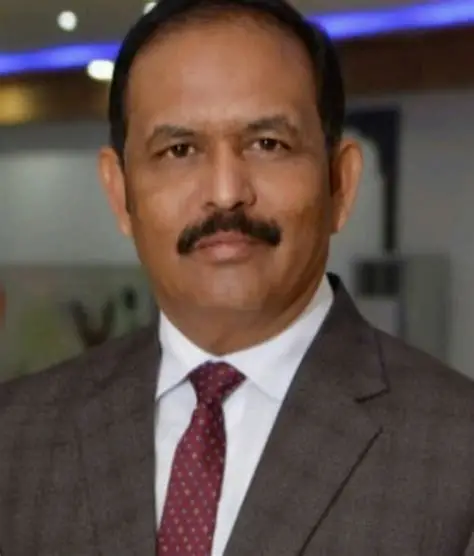
The United States is the world’s premier democracy, characterized by a fine democratic tradition: a candidate who loses an election graciously accepts defeat and congratulates the winner. Here, democracy transcends the constraints of race, ethnicity, religion, creed, or sect. It is not merely the national constitution that upholds democratic principles; the public’s own attitudes are also democratic, entirely free from religious prejudice or caste-based bias. When allocating party tickets, political organizations prioritize an individual’s character and their contributions to the party, rather than considering factors like caste, community, religion, creed, or race. The recent midterm elections serve as a clear example of this, with many Muslim candidates emerging victorious.
At least 36 Muslim candidates emerged victorious in the 2026 midterm elections in the United States, as voters elected Muslim representatives to federal, state, and local offices. Among the successful candidates, eight will serve in Congress—one in the U.S. Senate and seven in the House of Representatives. An additional 26 candidates won seats in state legislative bodies, while two others secured positions in the judiciary and local county administration. A particularly notable outcome was the victory of Abdul El-Sayed in the U.S. Senate race from Michigan. The Democratic candidate defeated former Republican Congressman Mike Rogers, becoming the first Muslim to be elected to the U.S. Senate.
The electorate consisted primarily of Christians, Hindus, and Jews, with the Muslim vote bank ranking third. Despite this, the success of Muslim candidates demonstrates that American society is free from religious prejudice and is committed to genuine democracy. Pakistani national media—including social media—have framed this as a "success for Muslims" in America; however, this is far from the reality. Their success was not based on religion, but rather on democratic principles. I wonder if this media coverage might help shape public opinion in Pakistan, encouraging political parties here to abolish their "minority wings." By recognizing the equal rights of minorities, parties could instead grant them tickets for general seats, allowing them to contest elections—a possibility that is already provided for under the law. One day before the elections of July 2, 2001, the Supreme Court ruled that minorities were entitled to vote under a "joint electorate" system, rather than a separate one. On February 27, 2002, President Pervez Musharraf formally issued the "Conduct of General Elections Order, 2002," which restored the joint electorate system for the National and Provincial Assemblies. This system grants minorities the right to contest for general seats as candidates. However, in all the elections held over the past 24 years, I have not seen any national political party field a non-Muslim candidate for any seat in the National or Provincial Assemblies by awarding them a party ticket. These parties are well aware of the religious prejudice that exists among the public; they know that awarding a ticket to a non-Muslim is tantamount to losing the seat. In this country, Muslim voters will not elect a non-Muslim as their representative by casting their votes for them. In the last 24 years, there has been no instance of a non-Muslim winning a general seat. Leaving aside the issuance of party tickets for National or Provincial Assembly seats, political parties even refrain from awarding tickets to non-Muslims for the position of local councilor in Union Council elections.
Pakistani politicians and journalists who celebrate the success of Muslim candidates in the United States should also strive to foster a similar democracy within their own country, so that Pakistan may earn recognition as a truly democratic nation in the eyes of the international community. Currently, an electoral reform committee is being formed in the country, which will include representatives from all political parties; yet, as has been the case in the past, minorities will once again be denied representation. Consequently, electoral reforms concerning minorities will be devised by individuals who lack any understanding of the issues faced by these groups, simply because they do not belong to them. In a country where non-Muslims cannot be included in the process of electoral reform, how can their political rights possibly be upheld
You May Also Like
The issue of forced marriage and religious conversion of girls from minority communities—particularly Christians—in Pakistan is a long-
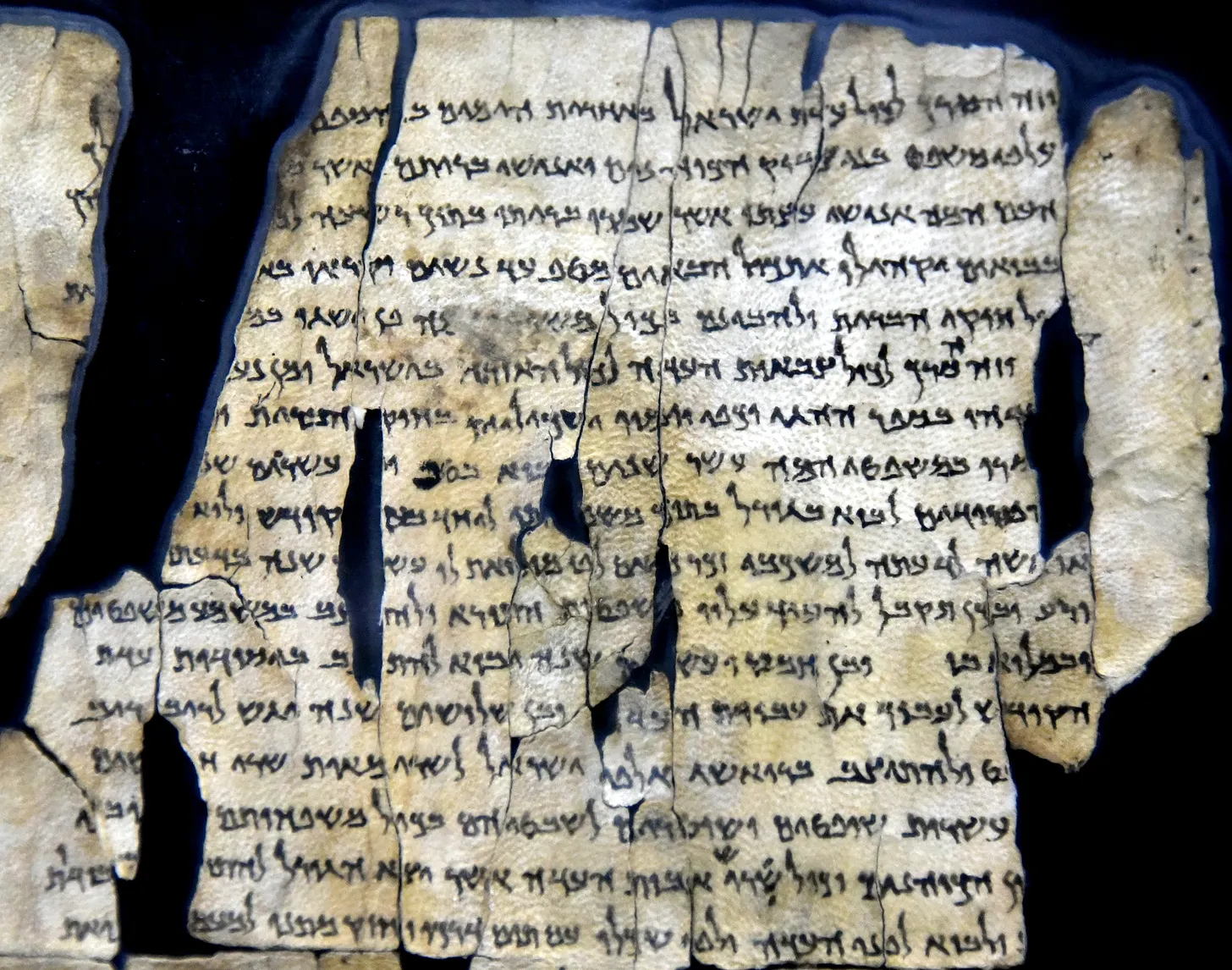
The Bible has served as both a spiritual guide and a historical record for centuries now. Many people claimed the findings were legendary or unprov


PCP need your support that we may provide you better services: click on donate


"Trial of Pakistani Christian Nation" By Nazir S Bhatti
On demand of our readers, I have decided to release E-Book version of "Trial of Pakistani Christian Nation" on website of PCP which can also be viewed on website of Pakistan Christian Congress www.pakistanchristiancongress.org . You can read chapter wise by clicking tab on left handside of PDF format of E-Book.